
Ever stop to wonder if your spiritual practice might actually be giving your ego a little boost instead of soothing your soul? Many of us may accidentally turn mindfulness into a way to collect self-affirmations instead of finding true inner calm. In this conversation, we'll peel back the layers of spiritual materialism to reveal that real insight blossoms when we let go of our need for approval. As we explore the trap of using spiritual practices for self-praise, we invite you to embark on a journey toward heartfelt personal growth and lasting inner peace.
Understanding Spiritual Materialism: Definition & Pitfalls
Spiritual materialism is when we use our spiritual practices to boost our ego instead of calming it down. Back in 1973, Chögyam Trungpa shared this idea, cautioning us not to treat meditation or self-improvement as shortcuts to becoming someone extraordinary. Instead of deepening our awareness, these practices can sometimes end up building up walls of self-importance. For example, imagine someone saying, "Before stepping into the limelight, many artists performed quietly in tiny venues, unknowingly feeding a hidden need for validation."
This slip-up can evolve into what some call spiritual narcissism. In today's fast-paced, productivity-focused world, even mindfulness can turn into a checklist, collecting meditation courses or piling up spiritual gear can become more about polishing our image than cultivating true insight. At its heart, spiritual materialism shows us how easy it is to let vanity slip into our spiritual journey, turning the quest for peace into a sort of contest over credentials.
Dealing with this challenge means having the courage to cut through these self-made illusions. When we let go of our false self and choose genuine depth over empty desires, we create room for real transformation. The real danger lies in mistaking external accomplishments for internal growth. By keeping an eye on these tendencies, we can begin to strip away the pretensions and step into an authentic awakening.
Historical Roots of Cutting Through Spiritual Materialism

Chögyam Trungpa’s life feels like one of those epic adventure tales with unexpected twists and heartfelt lessons. Born in 1939, he once risked everything, swimming a wild river under gunfire, clinging to his leather belt just to stay afloat, in a daring escape from Tibet in 1959. Imagine that moment of sheer bravery before he became a celebrated teacher! His incredible flight not only saved him but set him on a mission to unmask the traps of ego in our spiritual journeys.
Early on, Trungpa’s escape wasn’t just about survival. It turned into a powerful moment of breaking free from self-imposed illusions. Facing mortal danger head-on left him deeply aware of our vulnerabilities. Ever notice how true growth often comes when we let go of our pretensions? His personal battle against external threats mirrored the inner struggle many of us face when our search for meaning becomes more about self-admiration than genuine insight.
Later, after he made his way to the United States, Trungpa brought his spirited approach to spirituality to a wider audience by founding Shambhala Training schools. These schools made meditation and secular Buddhism accessible, a true gift for those searching for a grounded spiritual path. His memorable lectures from 1970 to 1971, later gathered in the book Spiritual Materialism, offered a clear-eyed look at how ego can hijack our spiritual pursuits. In his gentle, yet stirring way, Trungpa invited us to peel back the layers of our identity and explore deeper realms of consciousness with an open heart and a willingness to learn.
Spotting Spiritual Materialism in Your Practice
Ever notice how sometimes our spiritual journey turns into a checklist instead of a genuine quest for growth? It’s like we start expecting magic fixes, an endless supply of happiness or unwavering peace, simply because we’ve checked off enough meditation courses or added the latest gadget to our collection. Picture someone saying, "Every new course I take guarantees a deeper sense of calm," when really, it’s just masking a need to prove something, even if that proof isn’t truly ours.
This behavior can sneak up on us, hiding behind a veil of self-deception. Instead of challenging our craving for external validation, our ego clings to these pursuits as little reassurances. Ever paused to ask yourself if you’re stacking up spiritual gear, certificates, or trendy practices just to show the world, and yourself, that you’re on track? It makes you wonder if you’re counting badges instead of cherishing the quiet insights found in meditation.
Common signs of this pattern include:
| Indicator | Description |
|---|---|
| Over-Adopting New Practices | Chasing every new course or method, believing each one is a guaranteed ticket to enlightenment. |
| Clinging to Material Credentials | Holding on to tokens or certifications as if they can substitute for deep inner transformation. |
| Seeking Ego Boosts | Feeling a rush of pride when sharing spiritual achievements that serve more to inflate the ego than to foster self-awareness. |
Spotting these patterns is a big step towards freeing yourself from the lure of spiritual materialism. By questioning fixed expectations and letting go of the need for constant external proof, you create space for a richer, more authentic, heart-centered practice.
Transformative Meditation Techniques Against Spiritual Materialism
Letting Go of the Ego-Enhancement Battle
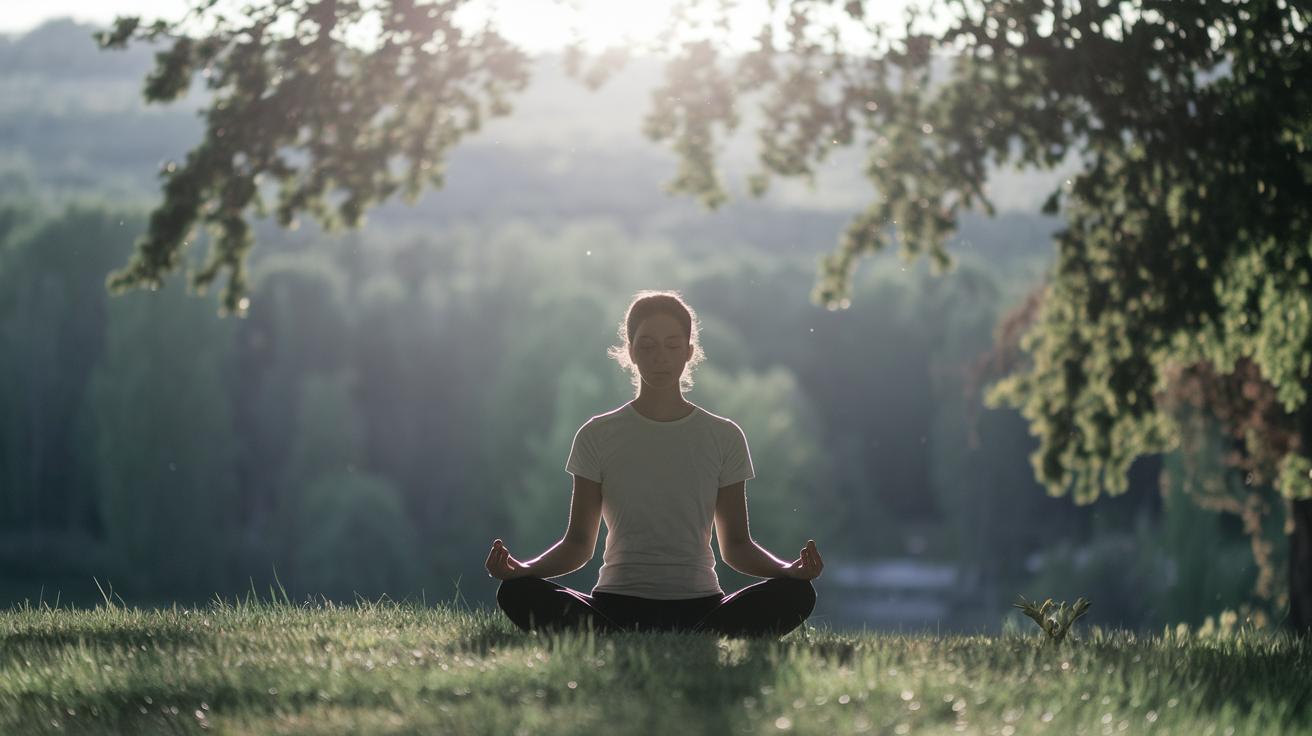
Sometimes we approach meditation like we're locked in a battle with our inner critic, and that only feeds the notorious "Big Me." Instead, try giving your ego a little break. Imagine sitting quietly with your thoughts, just noticing when that nagging voice, like saying "I must succeed at this practice", pops up. Let it drift by, much like watching fluffy clouds glide across a bright blue sky. This way, you're inviting calm awareness rather than stoking a fiery internal struggle.
When we obsess over proving our spiritual progress, we often slip into extreme practices that end up demanding more validation. Instead, gently ease off the constant need for self-assessment. It’s a bit like finally setting down a heavy bag after a long day, suddenly, everything feels a little more manageable and a lot more enjoyable.
Embracing Open Awareness Practices
Open awareness is all about trusting the gift of the present moment. Rather than compiling a checklist of achievements, allow yourself to fully experience every thought and feeling as it comes. Picture enjoying the soft glow of dusk or the gentle patter of summer rain, each moment holding its own quiet magic. Try sitting in silence and welcoming whatever pops into your mind, without judgment, as if each thought were a door to a new insight.
By letting go of the need to constantly measure up, you create a spacious mind where transformation can naturally occur. This relaxed, open approach dissolves the old “me versus the world” mindset, making room for an experience that’s both genuine and refreshingly authentic.
Practical Steps for an Authentic Inner Journey
When we finally stop banking on fixed rewards, like that sudden burst of joy or a flash of insight, we begin to see our inner life unfold naturally, like the soft glow of early morning. Instead of chasing immediate calm or checking off milestones, we learn to savor every fleeting moment. Imagine starting your day with a quiet pause, noticing how thoughts drift away like gentle echoes in a sunlit room.
A great way to deepen your inner journey is to carve out a little time every day for mindful quiet. Just sit for a few minutes, letting your thoughts wander and welcoming each emotion as it appears. This isn’t about reaching a final state of enlightenment but about slowly shedding the layers of who we think we should be. Then, why not jot down a few reflections afterward? Write down those moments when you felt unexpectedly light or when a simple morning stirred something meaningful inside you.
Here’s a few simple steps to try:
| Step | What to Do |
|---|---|
| Meditate | Spend a few quiet minutes each morning – even a brief pause can make a difference. |
| Journal | Write down your sensations and spontaneous thoughts to capture the moment. |
| Simplify | Choose quality over quantity with your spiritual tools, keeping your journey free from clutter. |
By letting go of the need for material rewards on your path, you invite a deeper, more vibrant experience of simply being. Ever wonder if easing the hold of your ego could unleash creative sparks, whether in art, science, or love? That simple question might guide you to a balance where even small inner struggles become stepping stones to growth, rather than barriers to your authentic self.
Cultivating Pure Awareness & Compassion

Embracing emptiness and heartfelt compassion can truly shift our spiritual approach. The Four Noble Truths gently invite us to see suffering with clear eyes, while the Bodhisattva Path shows us how to meet life with kindness rather than self-interest. This honest awareness slowly loosens the grip of our ego, prompting us to wonder why we need others' approval.
Think of shunyata, or emptiness, as a whisper that there isn’t a fixed self waiting to be perfected. Every experience, every feeling is like a brief touch, a fleeting moment offering a chance for genuine connection. When we let go of the idea of a permanent identity, we begin to live authentically, free from the need to perform or pretend.
By mixing prajna (insight or clear understanding) with a gentle approach to everyday challenges, we counter the self-focused drive that often fuels spiritual distractions. Imagine catching a moment of inner resistance during your meditation and choosing to let it go with warmth and curiosity, kind of like watching a bird glide effortlessly without trying to hold onto it. This blend of clear-sighted awareness and soft compassion nurtures a real sense of self, liberating us from the confines of the ego.
Sustaining Inner Liberation: Humor, Surrender & the Open Way
Embracing inner liberation is like inviting a playful breeze into your mind, easing off that relentless inner critic. Ever laugh at yourself after spilling coffee during meditation? That little misstep becomes a gentle reminder not to take every mistake too seriously.
The open way gently nudges us to let go of battling with our own flaws instead of rigidly scrutinizing every misstep. It’s a softer, kinder approach that encourages us to relax and see life through an honest, unhurried lens. Try these simple practices in your day-to-day:
- Greet setbacks with a spirit of playful curiosity.
- Replace harsh self-criticism with sincere, unfiltered honesty.
- Nurture a calm, spacious awareness in each moment.
Shifting from a mindset brimming with relentless critique to one of open-hearted acceptance can truly change the way you experience life. Let humor and sincere surrender guide you step by step, turning everyday moments into a canvas for genuine presence and softening the tight grasp of spiritual materialism.
Final Words
In the action, this post shines a light on spiritual materialism, its roots, its challenges, and ways to gently shift from ego to authentic presence. It explores how ancient wisdom, personal meditation, and playful self-reflection offer practical steps for a deeper, more heartfelt practice.
Small changes, mindful routines, and a lighthearted embrace of imperfections all help in cutting through spiritual materialism. Enjoy the path and let each moment spark genuine growth and transformation.