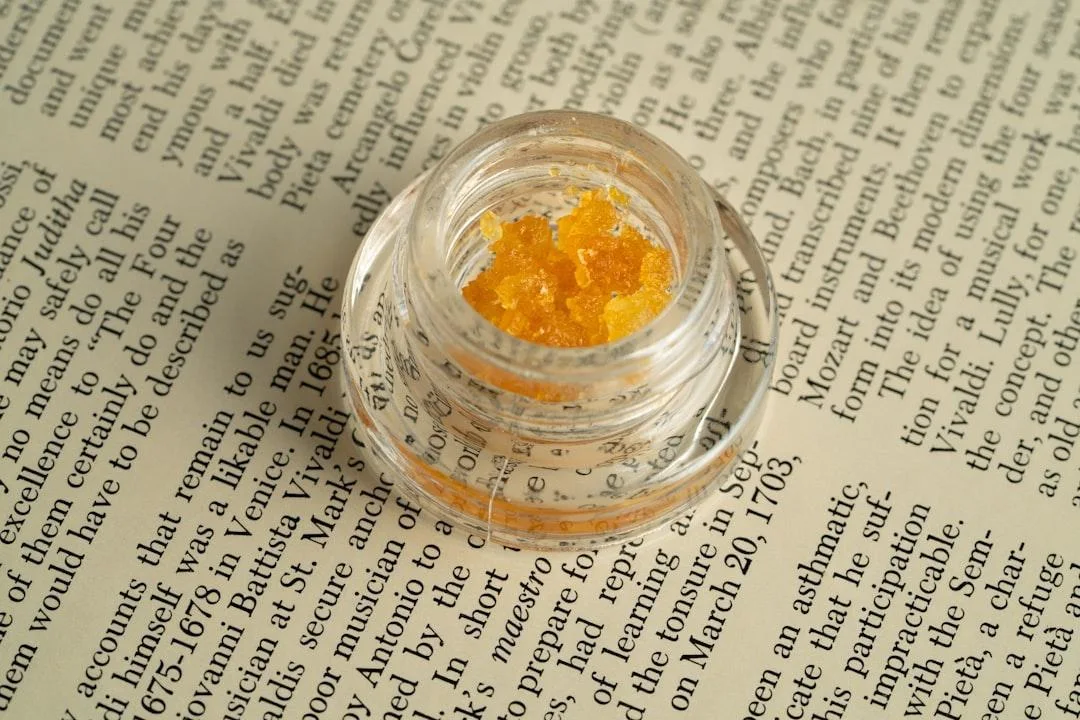
Cannabis concentrates carry substantially higher cannabinoid content than flower, which makes accurate laboratory testing more consequential in this category than any other (Nevada Cannabis Compliance Board). A labeling error that would be minor on flower becomes significant when the base potency is several times higher.
Why Concentrates Are Tested Differently
Concentrate testing screens for residual solvents in addition to potency and contaminants. Extraction methods using hydrocarbons leave measurable residue if purging is incomplete, and that residue is the category-specific risk regulators focus on.
What Solvent Screening Actually Checks
Laboratories test finished concentrate against defined action limits for specific solvents. Product exceeding those limits fails and cannot be sold, which places the quality control burden on the producer rather than the retailer or consumer.
How Extraction Method Shapes the Product
Extraction method determines texture, terpene retention, and price more than it determines potency. Solventless methods such as ice water extraction and rosin pressing preserve different compound profiles than hydrocarbon extraction, which is why the two produce noticeably different products.
Why the Certificate of Analysis Matters at the Counter
Testing documentation is what separates informed selection from guesswork, and dispensaries carrying concentrates maintain certificates of analysis showing cannabinoid content, terpene content, and residual solvent results for every batch on the shelf (Green Cannabis Co.).
Which Concentrate Formats Dominate Retail
Four formats account for most concentrate sales, and they differ primarily in texture and consumption method rather than in underlying chemistry.
- Live resin, extracted from fresh frozen material to preserve terpenes
- Rosin, pressed using heat and pressure without solvents
- Shatter and badder, hydrocarbon extracts differing in texture
- Vape cartridges, containing distillate or live resin in sealed hardware
Why Potency Numbers Mislead in This Category
Concentrate potency figures cluster in a narrow high range, which makes them poor differentiators between products. Terpene content and extraction method separate concentrates far more meaningfully than a potency percentage that varies only slightly across the shelf.
The Better Comparison Framework
Experienced concentrate buyers compare on extraction input and terpene retention. Those two variables predict the actual experience more reliably than the headline number that dominates most product labels.
How Storage Affects Product Integrity
Concentrates degrade with exposure to heat, light, and air, and terpene content is the first thing lost (National Institute of Standards and Technology). Storage conditions between production and purchase therefore affect the product a customer actually receives.
What This Means for Purchase Timing
Fresher product retains more of what the certificate of analysis reported. Batch dates matter in this category in a way they do not for most shelf-stable retail goods.
How Vape Hardware Affects the Experience
Cartridge hardware varies in heating element design, airflow, and material quality, and those differences change the delivered experience independent of the oil inside. Two cartridges filled from the same batch can perform noticeably differently in different hardware.
Why Hardware Rarely Appears in Purchase Decisions
Customers compare oil and ignore hardware, largely because hardware specifications are not printed on packaging. The result is that a meaningful driver of satisfaction sits entirely outside the information most buyers use.
How Texture Signals Handling and Age
Concentrate texture shifts as terpenes escape and the product oxidizes over time. A live resin that has stiffened or a badder that has separated is telling the buyer something about storage history that no label will disclose.
What Contaminant Screening Covers
Nevada requires screening for pesticides, heavy metals, and microbial contamination in addition to potency and solvents (Nevada Cannabis Compliance Board). Concentration during extraction means any contaminant present in source material arrives in the finished product at higher levels, which is why the screening panel matters more here.
Why Hardware Cleaning Affects Flavor
Residue accumulating in vaporizer hardware carries over between uses and degrades flavor progressively. Regular cleaning restores more of the intended profile than switching products does.
What Terpene Reintroduction Means on a Label
Some products reintroduce terpenes after extraction, either from cannabis or from other botanical sources. The distinction affects both flavor authenticity and price, and producers disclosing the source are giving buyers real information.
Why Source Disclosure Separates Products
Cannabis-derived reintroduction preserves the original character more closely than botanical alternatives. Products that specify which was used are easier to evaluate than those describing terpene content generically.
How Concentrate Consumption Differs by Format
Cartridges deliver small controlled amounts while dabbing delivers considerably more per use. Customers moving between formats without adjusting quantity are the most common source of unexpectedly intense experiences in this category.
Why Format Transitions Deserve a Conversation
A customer experienced with cartridges is not automatically prepared for concentrates consumed by other methods. The tolerance does not transfer proportionally, and staff can flag that in a sentence.
Why Price Per Gram Misleads in This Category
Concentrate pricing spans a wide range that reflects extraction method, input material, and terpene retention rather than potency alone. Comparing on price per gram treats products as interchangeable when they are not.
What a Better Comparison Looks Like
Comparing within a format, such as live resin against live resin, produces a meaningful ranking. Comparing across formats mostly measures how the product was made.
How Purge Quality Shows Up in Use
Incomplete solvent removal produces harshness and off flavors that testing catches only when residue exceeds action limits. Product passing its panel can still reveal purge quality through taste.
Why Taste Functions as a Secondary Check
Compliance testing establishes a safety floor rather than a quality ceiling. Experienced buyers treat flavor as information about production care that the certificate does not capture.
How Consumption Method Affects the Experience
Temperature governs what a concentrate actually delivers, since terpenes volatilize at lower temperatures than cannabinoids. Low temperature consumption preserves flavor while high temperature consumption sacrifices it for vapor volume.
Why Equipment Choice Matters as Much as Product
A high quality concentrate consumed at excessive temperature delivers less of what the buyer paid for. Temperature control equipment recovers more value from the same product than upgrading the product would.
What Distinguishes Solventless From Solvent Extraction
Solventless methods use only heat, pressure, water, and agitation, while solvent methods use hydrocarbons or ethanol to strip compounds from plant material. Neither is inherently superior, and they produce genuinely different products at different price points.
Why Solventless Commands a Premium
Solventless extraction yields less finished product per pound of input and requires higher grade starting material. The price difference reflects yield economics rather than a quality judgment about the alternative.
How Starting Material Determines Ceiling Quality
Extraction concentrates whatever is present in the source material, including its limitations. No extraction method improves on poor input, which is why live resin from premium fresh frozen flower differs so markedly from extract made with trim.
Why Input Disclosure Is Worth Asking About
Producers using premium input generally disclose it because it justifies their price. Absence of disclosure is itself informative when comparing similar products at different price points.
What Cold Storage Preserves
Refrigerated storage slows terpene loss and oxidation considerably compared with room temperature. Concentrates intended for use over several weeks benefit more from cold storage than any other cannabis format.
The Practical Selection Guidance
Concentrate selection improves when customers read past the potency figure. Extraction method, terpene content, and batch date together predict satisfaction far better than the single number that most shoppers use as their primary filter.