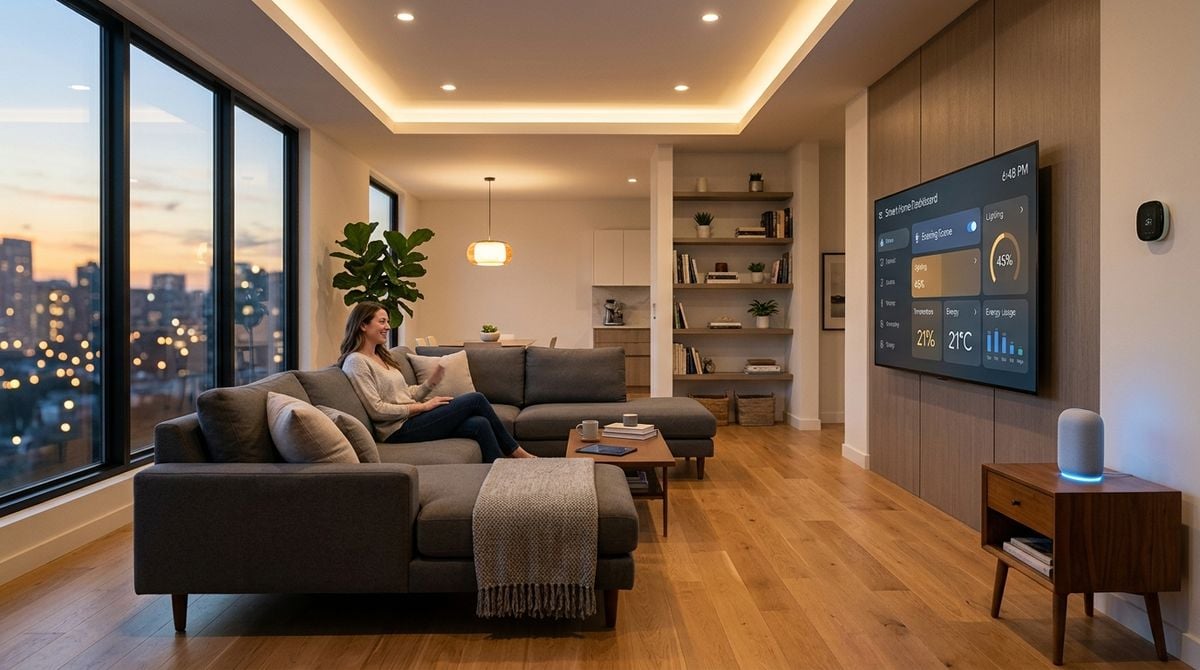
The spaces we inhabit every day have a profound influence on our inner state. When our living areas feel disorganized, dusty, or neglected, that physical disorder often mirrors or magnifies our mental stress. Conversely, an orderly and well-tended home offers a quiet foundation for clarity, reflection, and purposeful daily work. Caring for your surroundings is not merely a household obligation; it can be an intentional practice that brings balance into your routine.
Many people view home maintenance as an exhausting series of endless chores. However, shifting your perspective allows you to see upkeep as a form of practical mindfulness. When you take small, deliberate steps to repair, clean, and arrange your home, you actively shape an environment that protects your peace of mind and encourages steady focus throughout the day.
Recognizing the Link Between Physical Space and Focus
Visual friction drains your energy without your conscious awareness. A pile of unopened mail on the dining table, a loose door hinge that catches every time you walk into a room, or grit underfoot on bare floors all demand subtle attention from your brain. Over the course of a day, these minor annoyances accumulate, leaving you feeling depleted and restless without an obvious explanation.
Developing honest awareness of your surroundings is the first step toward reclaiming calm. Instead of attempting an overwhelming whole-house overhaul in a single weekend, begin by observing which specific areas cause the most tension. Recognizing these trouble spots allows you to address them systematically and patiently, turning chaotic corners into pockets of order and quiet satisfaction.
Addressing Fundamental Repairs and Structural Upkeep
A truly peaceful home relies on functional stability. When plumbing fixtures drip, weather stripping deteriorates, or drywall shows cracks, the home feels unsettled. Putting off minor repairs often leads to greater frustration down the road, as small mechanical issues slowly evolve into disruptive problems that interrupt your daily life and routine.
Learning to handle basic repairs around the house builds confidence and deepens your connection to your living space. You do not need to be a professional contractor to fix a sticking latch, repair a screen, or caulk a bathroom seam. For practical guidance on tackling home maintenance tasks and understanding how your house operates, resources like lonestarborger.com provide straightforward tips to help you care for your home with greater ease.
Taking proactive care of structural details brings a quiet sense of accomplishment. When you know your doors seal properly, your fixtures work reliably, and your walls are kept in good repair, your home transforms from a source of ongoing worry into a solid, dependable haven that supports your household through every season.
Establishing Consistent Rhythms for Floor and Air Cleanliness
Clean surfaces and fresh air are essential for physical comfort and mental clarity. Floors cover the largest surface area in any residence, gathering dust, dirt, and allergens throughout the day. When floors remain uncleaned, every step redistributes debris into the air, affecting both indoor air quality and the general ambiance of the space you rely on for rest.
Maintaining clean floors requires reliable equipment that fits your specific living environment. Homes with dense carpeting have very different cleaning requirements than spaces with bare tile or hardwood. When you want to find an appliance that balances durability with effective suction, browsing the independent product reviews at Bestvacuumcleaners.org can help you compare models and choose the right vacuum for your household needs.
Treating vacuuming and floor care as a mindful ritual rather than a dreaded task alters the entire experience. Moving slowly across a room, observing the clean pathways, and clearing away daily debris can be deeply grounding. Clean floors instantly change how a room feels, inviting you to move freely, breathe easier, and appreciate the space under your feet.
Designing Dedicated Zones for Work and Creative Projects
As modern lifestyles increasingly blend personal life with remote work or creative pursuits, defining clear physical boundaries becomes vital. When work materials spill onto kitchen counters or bedside tables, the mind struggles to disconnect. Establishing a distinct, clutter-free workspace helps signal to your brain when it is time to focus and when it is time to rest.
A dedicated workspace also provides the mental discipline necessary for pursuing new endeavors. If your home reorganization coincides with an ambition to launch an entrepreneurial project from your desk, knowing how to validate an online business concept early allows you to test your ideas methodically before committing extensive energy to the process.
Keep your designated workspace strictly functional and organized. At the close of each day, clear the surface of stray papers, file notes away, and tuck your chair in neatly. This simple boundary preserves the sanctuary of your home, ensuring your creative drive does not compromise the peace and comfort of your domestic sanctuary.
Simple Daily Habits for Sustained Order
A peaceful living environment is rarely maintained through heroic, exhausting cleaning marathons. Lasting comfort stems from small, repeatable habits that take only a few moments each day. Integrating brief maintenance habits into your morning and evening routines prevents clutter from reaching overwhelming proportions and keeps your surroundings consistently manageable.
- Open windows briefly each morning to circulate fresh outdoor air throughout the living areas.
- Wipe down high-touch kitchen and bathroom counters after morning routines are complete.
- Return tools, books, and creative supplies to their assigned spots immediately after use.
- Spend a few quiet minutes before bed clearing horizontal surfaces of stray items.
When these small habits become second nature, they cease to feel like burdens. Instead, they become brief anchors of mindfulness throughout your day, keeping your living space balanced without requiring continuous, strenuous effort.
Cultivating Lasting Gratitude for Your Living Environment
Ultimately, home care is an expression of gratitude for the shelter and stability your space provides. Rather than viewing dusting, repairing, or organizing as endless battles against entropy, see them as acts of stewardship. Tending to your home shows appreciation for the physical space that holds your daily memories and supports your personal growth.
A harmonious home does not require perfection, luxury decor, or flawless architectural design. It simply asks for intentional attention and steady care. By keeping your rooms clean, addressing practical repairs promptly, and maintaining boundaries between work and rest, you cultivate a living space that steadily nourishes your body, mind, and spirit.