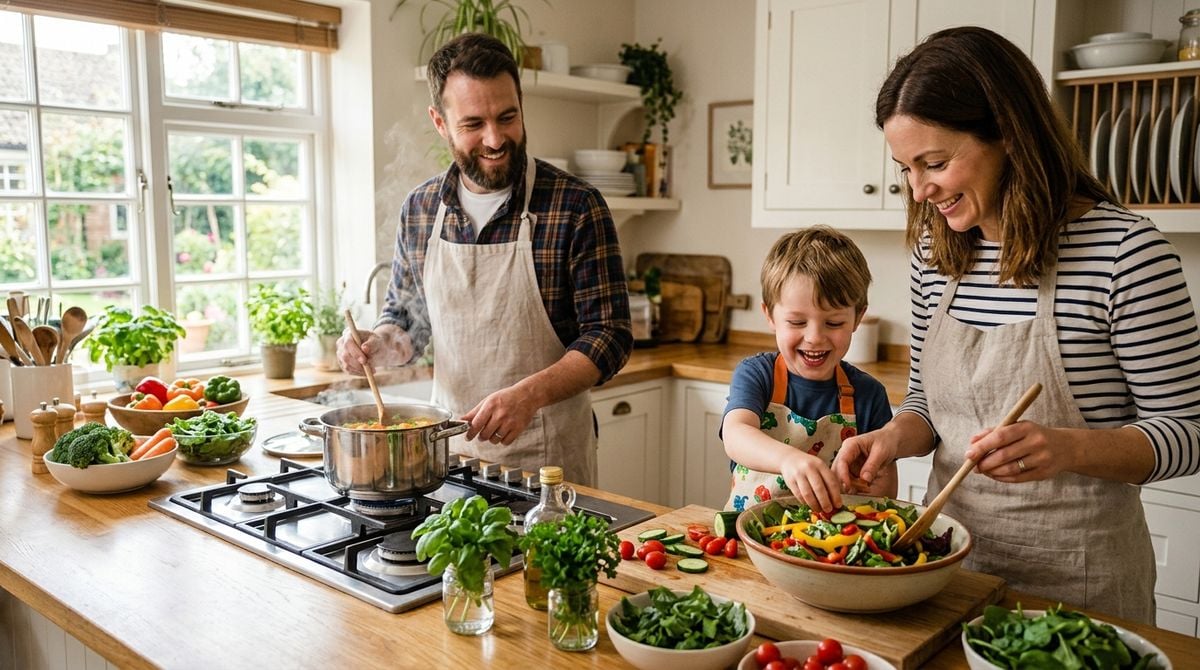
Arriving home after an exhausting day frequently leaves little motivation for preparing an elaborate meal. When energy runs low, the simple question of what to eat can trigger decision fatigue, leading to skipped dinners or unfulfilling late-night snacking. Many households view dinner preparation as just another demanding obligation on an already crowded daily list.
Cooking does not have to feel like a high-stakes performance or an exhausting chore. When approached with intentionality, working in the kitchen can serve as a dependable pause between the pressures of the day and the quiet hours of the evening. Shifting your mindset from speed to presence allows simple kitchen rituals to restore calm rather than drain your remaining patience.
Clearing Mental and Counter Clutter Before Cooking
Before you touch a single skillet or reach into the refrigerator, take a deliberate moment to settle your thoughts. Walking straight from a busy day into meal prep often carries lingering tension into the kitchen. Taking a moment to wash your hands with warm water, put on comfortable clothes, or pour a glass of water helps signal that productive urgency is no longer required.
A calm kitchen also requires filtering out external noise. While keeping informed through informative platforms such as articledirectorynews.com provides valuable awareness of daily affairs and practical solutions during working hours, the dinner hour benefits from a temporary pause on updates. Setting your phone aside and silencing notifications ensures your attention remains anchored in your immediate surroundings.
Visual order plays a significant role in emotional calm. If the kitchen counter is covered with mail, packages, or unrelated items, clear a single workspace before starting. You do not need to clean the entire room; simply creating one tidy, unobstructed area of counter space provides a peaceful staging ground for your evening preparation.
Keeping Ingredients Simple and Budget-Friendly
Culinary stress often stems from overly complicated recipes that demand long ingredient lists and unfamiliar specialty items. When you are tired, attempting a recipe with intricate steps or fragile timing creates unnecessary friction. Relying on familiar, versatile staples removes the anxiety of potential mistakes while respecting your household budget.
Affordable cooking does not mean settling for bland or uninspired food. Drawing inspiration from practical cooking resources like al-thai.com highlights how wholesome, budget-conscious pantry staples, balanced broths, and fragrant aromatics can transform everyday staples into deeply comforting meals without straining finances. Simple elements like garlic, ginger, and pantry sauces bring warmth and depth to modest grains and vegetables.
Build your evening pantry around dependable foundations that require minimal mental calculation. Canned beans, hearty grains, eggs, and long-lasting root vegetables can be paired in countless ways. When you know you have trustworthy components waiting in your cupboards, opening the refrigerator feels reassuring rather than intimidating.
Mastering Basic Prep to Avoid Kitchen Rush
Rushing through ingredient preparation is one of the quickest ways to create kitchen chaos. Slicing vegetables while oil smokes in a hot pan creates a sense of frantic urgency that ruins the calming potential of cooking. Slowing down your knife work and preparing ingredients before turning on any heat establishes a steady, peaceful cadence.
Taking time to arrange your prepped vegetables on a single tray gives you a satisfying visual sense of order. Simple techniques make a dramatic difference in how food tastes without adding effort; for instance, learning reliable methods for roasting vegetables helps you achieve satisfying crispness and caramelized tenderness from humble ingredients without juggling multiple pots.
Consider washing and chopping hardy produce ahead of time if your evenings are especially constrained. Storing washed greens and sliced vegetables in clear glass containers saves precious time on demanding evenings, turning active dinner preparation into a straightforward assembly process that feels soothing and effortless.
A Simple Workflow for Low-Stress Meal Preparation
Establishing a predictable sequence of actions removes the friction of wondering what to do next. When your hands know the routine, your mind can relax into the tactile sensations of cooking—the aroma of browning garlic, the rhythmic sound of a knife against wood, and the warmth of simmering soup.
Following a dependable sequence of small habits keeps the kitchen organized from start to finish:
- Clear and wipe down the primary cutting board and cooking station before gathering ingredients.
- Retrieve all necessary tools, pots, and spices so you never need to search mid-recipe.
- Play gentle instrumental music, listen to an audio narrative, or enjoy peaceful silence.
- Wash prep bowls and wipe surfaces during brief moments while food simmers or bakes.
- Plate the finished meal thoughtfully rather than eating in haste directly from cookware.
This straightforward flow keeps clutter from accumulating as you work. By cleaning small utensils during natural pauses in the cooking process, you eliminate the daunting prospect of facing a mountain of dishes after you finish eating.
Embracing Repetition and Letting Go of Perfection
There is no requirement for every weeknight dinner to be a unique culinary masterpiece or an experiment in creative cooking. In fact, relying on a small rotation of well-loved, familiar dishes provides genuine comfort. Familiarity eliminates guesswork, allowing you to cook almost entirely by intuition and taste.
When you release the pressure to impress anyone or achieve restaurant-grade presentation, cooking becomes an act of care rather than an evaluation. If an egg yolk breaks or rice is slightly softer than intended, it still provides warmth and sustenance. Embracing these minor imperfections helps dismantle the exhausting perfectionism that often invades daily life.
Over time, repetitive tasks like peeling carrots or stirring a simmering pot of stew can take on a meditative quality. The steady rhythm offers your attention a gentle place to rest, quietening anxious thoughts and grounding you firmly in the present moment.
Sharing a simple meal at a quiet table marks the completion of the routine. Sitting down without screens or urgent multitasking allows you to appreciate the textures, temperatures, and flavors of the food you prepared. Even a brief period of mindful dining can reset your perspective after a demanding day.
Building a calming cooking routine is not about mastering complex techniques or investing in expensive cookware. It is about claiming a reliable pocket of time each evening to nurture yourself with wholesome food. By slowing your pace, simplifying your ingredients, and honoring the quiet rhythm of the kitchen, weeknight dinner can transform into the most restorative part of your day.