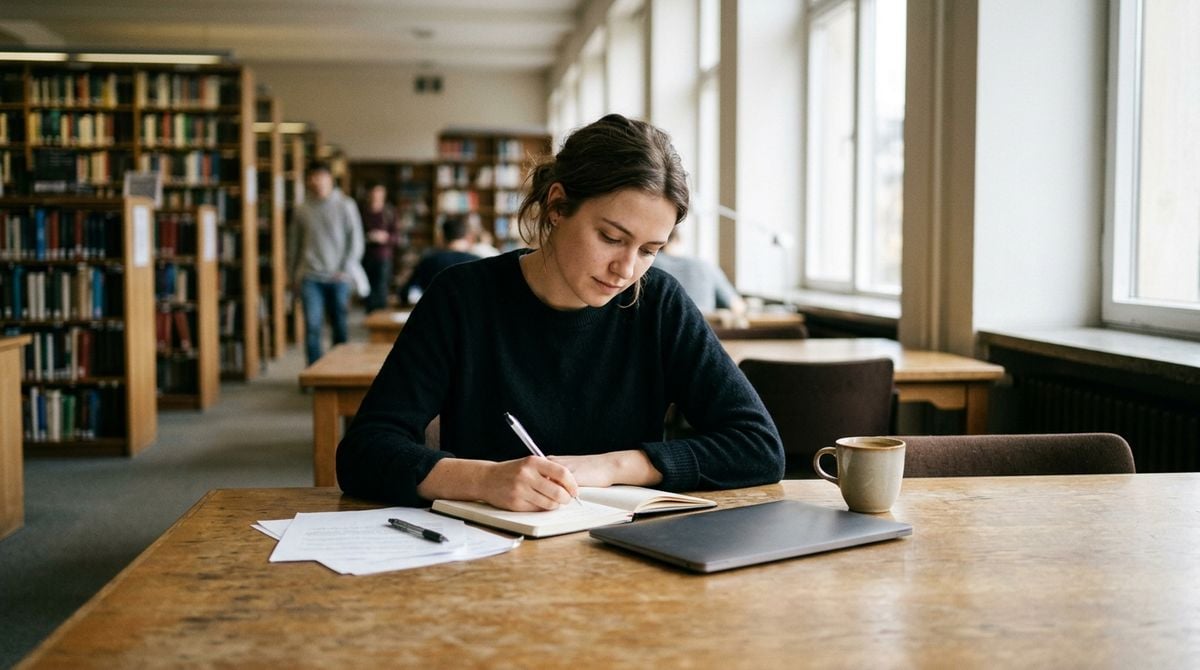
Many students spend long periods sitting, whether in classrooms, on buses, during homework or in front of a screen for entertainment. Long sitting can leave the neck, shoulders, hips and back feeling stiff, and it can make focus harder by the end of the day. The good news is that short, simple stretches can be done at a desk or beside a chair without special equipment. This article offers a practical set of desk-friendly movements, guidance on how often to use them and tips for adults who want to encourage healthy habits. It is general information, and anyone with pain or an existing condition should seek advice from a qualified professional.
Why sitting for long periods feels uncomfortable
The body is designed to move. When a person sits still for a long time, muscles that support posture can tire, while others may become tight from holding the same position. Many students hunch forward over a phone or laptop, which can strain the neck and upper back. Hip muscles can also shorten when sitting for hours, leading to a feeling of stiffness when standing up.
These changes often build slowly. A student may not notice discomfort until it becomes a persistent ache. Regular movement breaks help prevent this build-up and keep the body feeling more comfortable through the day.
How often to take a break
The most useful habit is frequency rather than length. A short movement break every half hour or so can make a noticeable difference. Set a gentle reminder on a phone or use a timer on a desk. If a student is working on a demanding task, a quick stretch between sections can be enough. Keep breaks short enough that they feel easy to fit into study time.
Breaks do not need to be long to be effective. Even a minute of movement can reset posture, increase circulation and bring attention back to the task in hand.
Simple desk stretches to try
The following movements are gentle and can be done in ordinary clothes:
1. Neck release: slowly tilt the head towards one shoulder and hold for a few breaths, then switch sides.
2. Shoulder rolls: lift the shoulders towards the ears, roll them backwards and then let them drop.
3. Seated spinal twist: sit tall, place one hand on the opposite knee and gently rotate the upper body, then repeat on the other side.
4. Chest opener: clasp the hands behind the back, lift the chest gently and hold for a few breaths.
5. Hip flexor stretch: sit near the edge of the chair, then gently move one foot back and press the hip forward slightly, changing sides after a short pause.
Move slowly and breathe steadily during each stretch. Stop if anything feels sharp or painful. Stretches should feel like a gentle release, not a forced movement.
Posture and setup matter too
Stretching helps, but posture and setup make the bigger difference over time. Keep the screen at about eye level so the neck does not bend forward for long periods. Sit with the back supported, feet flat on the floor and knees roughly level with the hips. If a student uses a laptop, a separate keyboard or a stand can help raise the screen. Small adjustments made once can reduce strain for many hours. Readers may also want to visit dailyheralds.org.
Encourage students to change position regularly. Standing for part of a study session, sitting on a different chair or moving to a different room can all break up the day. Variety is often the simplest way to reduce stiffness.
Adding movement to the school or home day
Movement can be built into ordinary routines. Walk to a friend’s desk instead of messaging, take the stairs where safe, or stand during a phone call. Stretch while waiting for the kettle to boil or while the bus is stopped. These small habits add up across the week without requiring extra time.
Adults can support this by modelling movement breaks themselves. When a parent or teacher stretches during a break, young people often feel more comfortable joining in. You can also visit Mama hustler for more reading.
When to seek advice
Most people feel better with regular movement, but some symptoms should not be ignored. Persistent pain, numbness, tingling down the arms or legs, headaches that keep returning, or pain that wakes a student at night should be checked by a doctor or a qualified physiotherapist. A professional can assess the cause and suggest a plan that fits the individual.
If a student has recently been injured or has an existing condition, ask a doctor before starting a new routine. General stretches are helpful for many people, but they are not a replacement for personal advice.
Making the habit last
Habits stick when they feel enjoyable and fit into the day. Let the student choose which stretches they like best, and use a short routine that becomes automatic. Some families stretch together after dinner or before bedtime, which turns movement into a shared habit. Praise consistency rather than perfection, and accept that some days will be busier than others.
For a related read on this site, see Running Errands When Most Shops Are Closed. Start with the simple stretches above and add more only when they feel comfortable.
Sitting for long periods is a feature of modern school and study life, but it does not have to leave a student stiff and tired. A few gentle stretches, regular breaks and a sensible desk setup can make a real difference to comfort and focus. Start with one or two movements, repeat them often and enjoy the feeling of a body that moves more freely through the day.