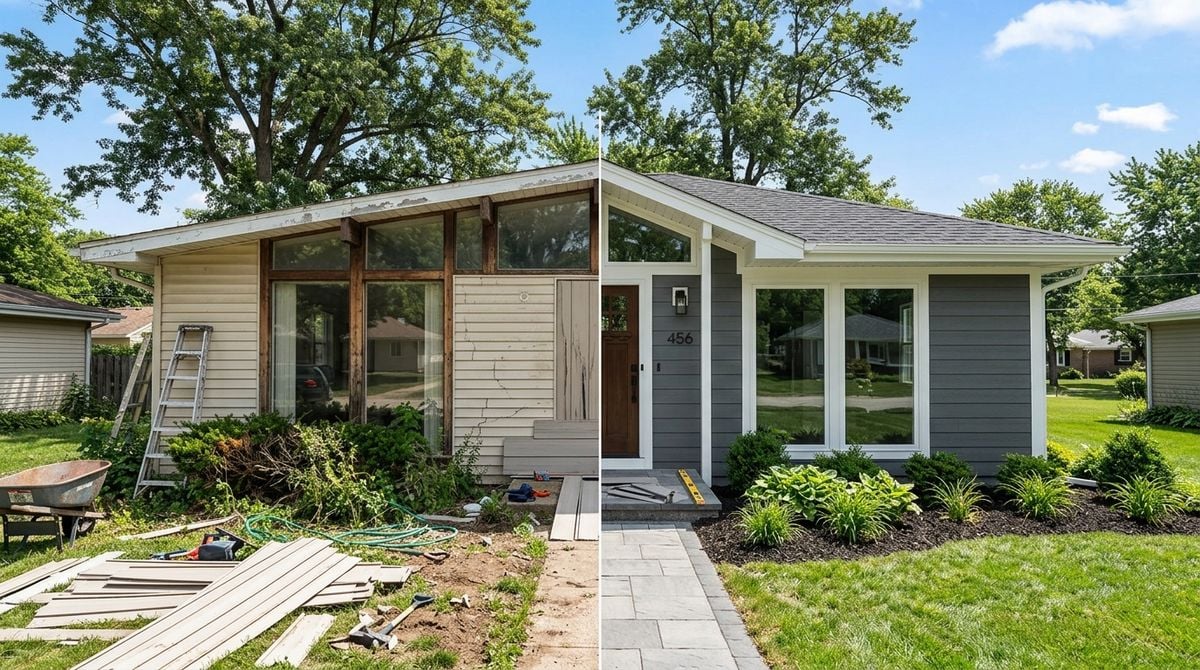
A home serves as the daily foundation for your physical comfort and emotional calm. Over time, living patterns evolve, family needs expand, and familiar rooms begin to feel misaligned with everyday life. When this happens, the urge to remodel can feel urgent. However, rushing into renovations without thoughtful contemplation often leads to unexpected frustration, cluttered schedules, and spaces that fail to solve underlying lifestyle friction.
Approaching property improvements with patience transforms what could be a chaotic chore into an intentional practice. By pausing to study how you use your home, prioritizing essential building elements over cosmetic surface treatments, and seeking sound guidance early, you create an environment that supports enduring peace of mind. Taking a structured approach ensures that every change you make adds genuine comfort and practical function to your living environment.
Assessing What Your Living Space Truly Needs
Before reviewing paint swatches or browsing kitchen cabinetry, spend time observing how each room actually functions throughout an ordinary week. Notice where household clutter accumulates, where foot traffic bottlenecks in the morning, and which areas remain underutilized. Often, the frustration felt about a cramped room is not a lack of square footage, but rather poor layout, inadequate storage, or awkward furniture arrangement.
Living inside a property through changing seasons provides invaluable context that quick impressions cannot offer. Cold drafts appear in winter, while warmer months reveal areas with intense heat gain or poor airflow. Much like the careful observation required when evaluating a prospective neighborhood, understanding your immediate dwelling requires patient attention to daily patterns, natural light variations, and interior acoustic flow before making permanent commitments.
Record your observations in a notebook over several weeks. Focus on tangible pain points rather than aesthetic desires. Note if you lack a calm spot for quiet reading, if laundry piles up because the sorting area is cramped, or if the entryway creates friction whenever family members arrive home simultaneously. Distinguishing everyday functional hurdles from superficial style trends keeps your eventual renovation grounded in reality.
Prioritizing Structural Integrity Over Surface Aesthetics
It is natural to gravitate toward visible updates like gleaming tile, modern lighting fixtures, and fresh paint palettes. These visual elements provide immediate satisfaction and make a space feel refreshed. However, focusing solely on cosmetic enhancements while ignoring foundational health is a common trap that leads to costly headaches later. A beautifully remodeled kitchen offers little comfort if the roof above it leaks or old plumbing causes hidden moisture damage.
A mindful renovation always begins from the inside out. Inspecting the condition of your subflooring, checking electrical capacity, evaluating roof shingles, and ensuring adequate ventilation should take precedence over decorative upgrades. Learning how your building breathes, sheds water, and handles wear helps you cultivate a sharper instinct for structural maintenance, a mindset championed by educational platforms like House Muscle when tackling long-term home upkeep.
When you address mechanical and structural essentials first, you build peace of mind directly into the bones of your home. You eliminate the constant anxiety of impending repairs and create a stable, dry shell. Once the essential structure is verified and sound, any decorative improvements you choose to add will rest on a reliable foundation that endures for years to come.
Aligning Upgrades with Practical Daily Habits
Every home should reflect the specific lifestyle of the people living inside it, rather than a generic design catalog or an idealized social media trend. If your household rarely hosts formal dinner parties, dedicating a large portion of your floor plan to an elaborate dining room makes little sense. Instead, your layout should actively support your real hobbies, family routines, and daily domestic rituals.
Before altering interior walls or expanding an existing footprint, ask yourself several practical questions to confirm that your planned changes genuinely support your well-being:
- Does this change simplify a daily routine that currently causes ongoing frustration?
- Will this space remain adaptable if family circumstances or mobility needs shift over time?
- Can existing storage spaces be reorganized effectively before expanding the room footprint?
- Does the proposed layout maximize natural daylight in areas where household members spend daytime hours?
By grounding design decisions in daily utility, you avoid creating rooms that look impressive to visitors but feel uninviting or high-maintenance during regular life. Simple adjustments, such as widening a doorway, improving task lighting, or adding durable mudroom hooks, often produce a far greater positive impact on your daily mood than elaborate open-concept structural redesigns.
Seeking Objective Advice Before Committing Resources
Homeowners frequently develop an emotional attachment to specific improvement ideas, which can cloud practical judgment. You might become fixated on building a detached garden studio or installing luxury outdoor kitchen appliances, even when those additions might not align with practical living requirements or long-term property balance. Gaining objective, external viewpoints brings clarity to your plans and prevents overbuilding.
Discussing your concept with experienced professionals allows you to understand how potential alterations impact general livability, maintenance demands, and overall neighborhood context. Before finalizing major floor plan revisions or expensive structural shifts, consulting independent real estate advisors through hubs like Realestateguidance.org can provide valuable clarity on which improvements offer genuine utility and property balance.
Professional advice can also highlight potential blind spots you may have overlooked. An outside consultant can point out whether removing a particular closet diminishes essential bedroom storage or whether a proposed roofline adjustment could complicate future rainwater drainage. Welcoming thoughtful feedback early protects your time and emotional energy, ensuring your final plan is both realistic and sustainable.
Pacing Projects to Protect Personal Well-Being
Living through construction work inside your home can place substantial strain on household harmony. Dust, noise, displaced belongings, and workers moving through personal spaces disrupt familiar routines. When projects are launched concurrently in multiple rooms, the entire house can quickly feel chaotic, leaving you without a restful sanctuary at the end of a demanding day.
To maintain household sanity, adopt a phased schedule rather than attempting a total overhaul all at once. Complete one contained zone before disturbing the next. Designate at least one room in the house as a quiet retreat where tools, building materials, and packing boxes are never permitted. Having a serene, clean space to retreat to each evening keeps your home feeling grounded during ongoing work.
Celebrate small milestones along the journey instead of fixating solely on the distant completion date. Finishing a single linen closet, installing a comfortable reading lamp, or restoring a clean entryway provides immediate encouragement. By approaching home improvement as a calm, deliberate journey of stewardship rather than a stressful sprint, you foster a renewed environment where your household can flourish in comfort and quiet contentment.