A small coaching business that moves equipment to tournaments depends on its trailer far more than most owners admit. A loose hitch or a worn safety chain can turn a routine weekend into an expensive repair. Routine checks take little time, and they protect the people and cargo on every trip.
This article gives general information for managers who tow balls, nets, cones and first aid kits to events. It does not replace the manufacturer’s manual or the inspection of a licensed mechanic. The aim is a habit that anyone on staff can follow without special training.
Matching the Hitch to the Load
Start by confirming that the hitch ball size matches the coupler on the trailer. Mismatched parts may fit loosely at first, then wear quickly under braking. The tow vehicle’s rated towing capacity appears in its owner documents, and the total loaded weight should stay below that figure with room to spare.
Readers may also want to visit learn2drive4free.com. Write the trailer’s empty weight on a card kept in the glove box, so anyone can estimate the load before loading the team’s gear. Estimates made in advance prevent overloading on busy weekends.
Lights, Brakes and Tires
Before every trip, a second person should test the trailer lights while the driver operates the brake and signal controls. Check that the brake lights, turn signals and running lights all respond. A burned bulb can cause a driver behind to misjudge a stop.
Look at tire pressure and tread on the trailer as carefully as on the tow vehicle, since trailer tires often sit unused for weeks. You can also visit carinsurancequotenw.info for more reading. Keep a small gauge in the kit so pressure checks take seconds.
Safety Chains and Breakaway Cables
Safety chains should cross under the coupler and attach to the tow vehicle with enough slack to turn but not drag on the road. A breakaway cable must connect to the vehicle so the trailer brakes can engage if it separates. Replace any chain with visible wear or a bent hook.
Inspect the hitch pin and clip, which fail more often than people expect. For a related read on this site, see Redesigning Your Daily Journey into a Spiritual Practice. Carry spare pins in the kit, and never substitute a random bolt for a proper retaining device.
Logging Each Check
A simple log beats memory. Record the date, the driver, the items checked and any repair made. Each person should initial the row before leaving the yard, so the record shows who looked at what.
Set a rule that a trailer with a failed item stays parked until the problem is fixed. Managers should review the log each month and retire any part that appears repeatedly on the list. Patterns in the log often point to a worn bracket or a poor storage habit.
Packing the Tow Kit Without Overloading
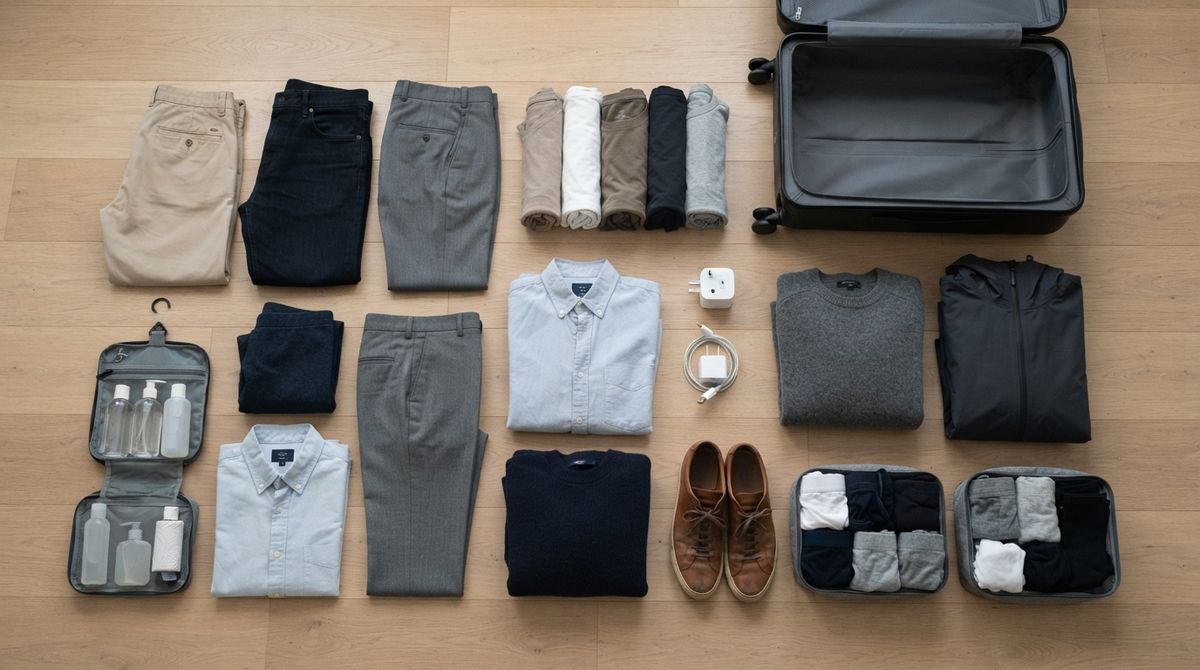
A tow kit should carry only what the trip needs, because loose tools slide around and add weight. Group items into labeled bins, such as electrical, hitch, emergency and cleaning. Fasten each bin so it cannot shift during sharp turns or sudden stops.
Include a basic jack and a wheel chock in addition to the standard spare tire. Check that the spare is inflated and that the lug wrench fits the wheels. Staff should know where the jack points are on the trailer frame before they need them in an emergency.
A small fire extinguisher, a first aid kit and a flashlight belong in the kit as well. Replace any item past its printed expiry or with a cracked housing. Keep a spare set of batteries for the flashlight, stored separately so they do not drain in the bin.
Write a packing list and tape it inside the lid of the storage box. Anyone loading the trailer can then confirm the kit is complete in under a minute. Update the list whenever equipment changes, and remove items that no longer match the team’s needs.
Keep a copy of the trailer registration and insurance papers in a waterproof sleeve in the tow vehicle. Officers may ask for documents at a roadside stop, and a missing paper can delay the whole group. Review the expiry dates on those papers during the monthly log review.
Schedule a short restock after each tournament block, so supplies return to the list rather than disappearing into a coach’s car. A tidy kit reflects a team that plans ahead, and it makes the next departure faster and calmer for everyone involved.
Less Drama on Tournament Weekend
A trailer check takes minutes, and it often prevents the kind of delay that costs an entire day. Build the routine now, keep it simple and let every staff member take a turn.