A van that hauls mats, weights, and portable goals to school gyms works harder than most family vehicles. The tires carry heavy loads on short trips, cross car parks and gravel drives, and sit through long idle periods between sessions. A sports business that treats tire choice as an afterthought can face uneven wear, poor handling, and unexpected repairs. This article explains how a business owner can choose tires that match the van’s real duties and the routes it travels every week.
The guidance is general. Load limits, tire sizes, and pressure figures are specific to each vehicle, so always check the owner’s manual and the tire placard on the door frame. A qualified tire technician can confirm the right choice for your van and your routes.
Know the Load Your Van Carries
Start by writing down what the van carries on a typical day. Mats, weight sets, and folding equipment may add up quickly, and each trip can differ. Include the weight of the driver and any staff who ride along. Compare that total with the load rating shown on the vehicle label, and keep the calculation in the van file so it is easy to review.
Readers may also want to visit Cartoolexpress. Use those notes to explain the terms to new staff. A clear understanding of the load helps the owner avoid buying tires that look sturdy but do not match the van’s real weight.
Match Tread to Local Roads and Weather
Tread design affects grip on wet roads and gravel drives. Choose a tread pattern that suits the local conditions, such as a design built for wet surfaces if rain is common. Vans that visit rural schools may need a tread that handles loose stones, while urban routes may benefit from a quieter pattern with good wet grip.
You can also visit antechauto.com for more reading. Read them to narrow the choices, then ask a tire specialist to recommend a model that matches the van’s size and load. Avoid choosing solely on appearance or price.
Check Tire Pressure Against the Vehicle Label
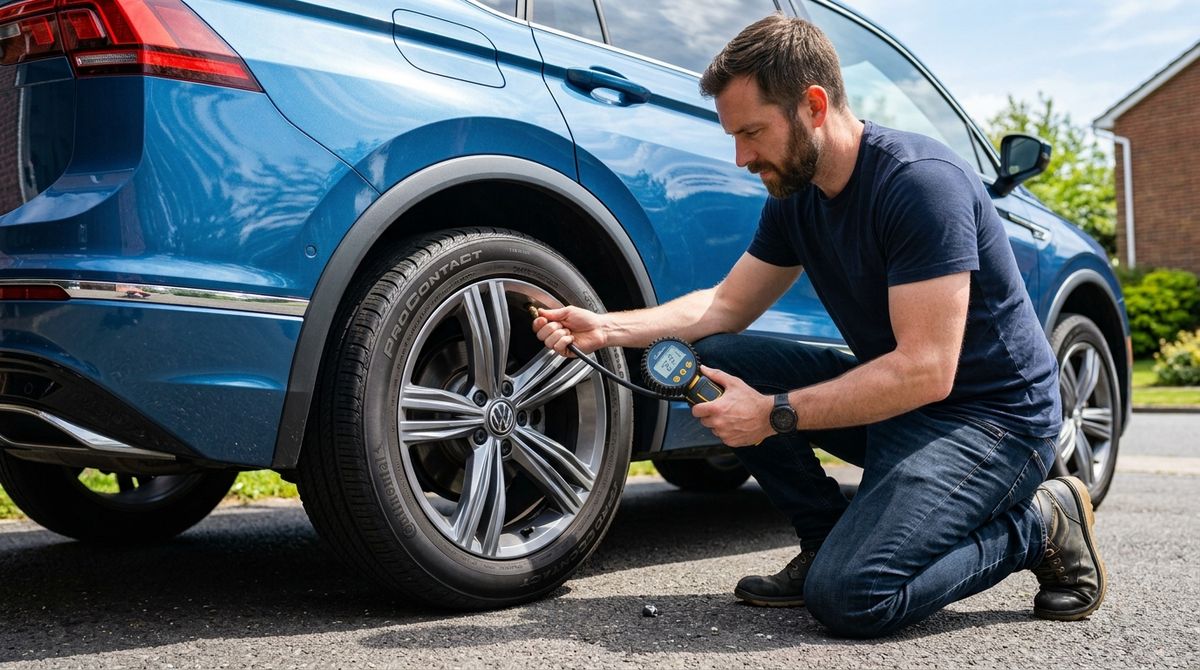
Correct pressure protects the tires and the van. Check the recommended pressure on the label inside the driver’s door frame, not the maximum pressure printed on the tire wall. Low pressure can cause heat build-up and uneven wear, while high pressure can reduce grip. Check the pressure when the tires are cold, at least once a week for a van that works daily.
For a related read on this site, see Finding Spiritual Stillness and Presence on the Open. Keep a small gauge in the van and record each reading in a log. A short log makes it easier to spot a slow leak or an unusual pattern before it becomes a repair.
Schedule Rotations and Inspections
Heavy loads and short trips can wear the front and rear tires differently. Ask the tire shop to rotate the tires at the interval recommended for the van, and note the date and mileage in the log. Inspect the tread depth and sidewalls during each rotation, and look for cuts, bulges, or embedded stones.
Plan inspections around the school calendar so that the van is not out of service during a busy season. Book the appointment for a quiet week, and keep a spare plan in case a repair takes longer than expected. Regular checks reduce the chance of a breakdown in the middle of a delivery.
Storing Spare Tires and Equipment Racks
A van that carries gym equipment may also need a spare tire in working order. Check the spare’s pressure with the same care as the main tires, and confirm that the jack and wrench are present. Keep a written note of the spare’s location so any driver can find it quickly.
Secure the equipment racks and bins so nothing shifts during braking. Loose weights can damage the floor of the van and affect how the tires carry the load. Tie down every item and check the straps before each trip, especially on rough school drives.
Plan a second check of the tires before the longest route of the season. A quick look at the tread, the pressure, and the spare can prevent a delay on the day a full load is due at a distant gym. Write the date in the van log and set a reminder for the week before.
Keep a list of nearby tire shops that can handle commercial vans.
Tires That Match the Route
A sports van needs tires that suit its load, its roads, and its schedule. Know the weight it carries, choose tread for local conditions, keep pressure at the label value, and schedule rotations and inspections on time. With those habits, the van arrives at each gym safely and keeps running for the next season of practices and games.