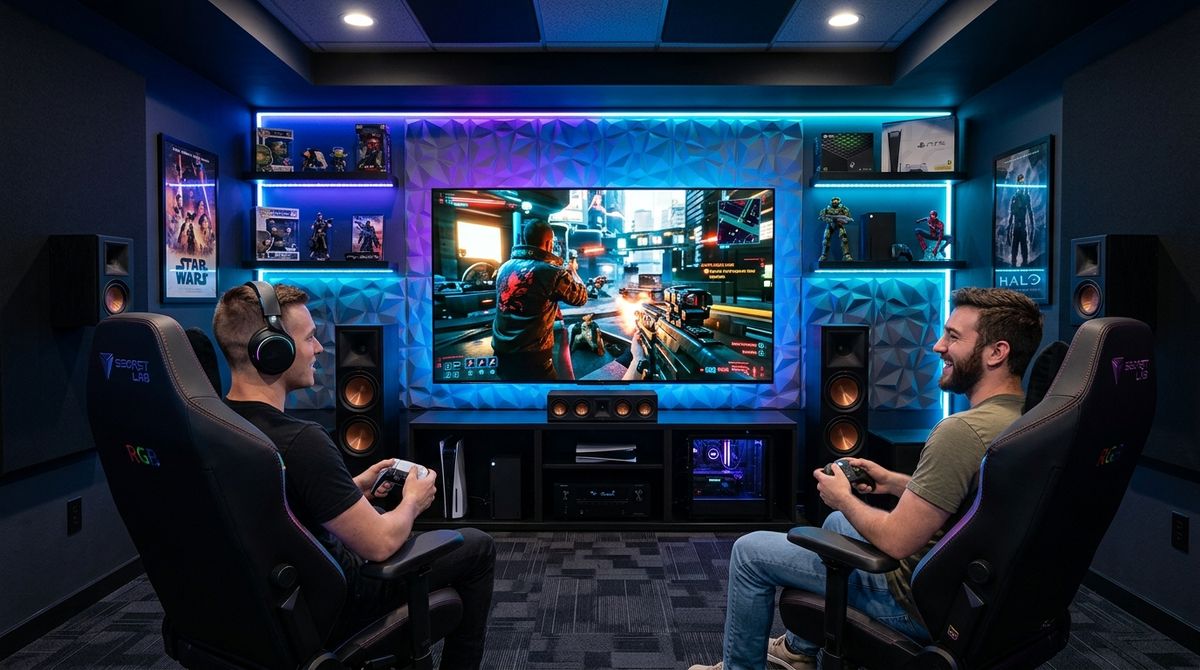
A small hamster brings a lot of character to a home, yet its enclosure needs a calm location. Music speakers, game consoles and heating vents can all affect a small animal’s comfort. Thoughtful placement helps the pet settle and keeps the room pleasant for its owner.
This article explains how to choose a spot for a hamster enclosure in a room with audio and gaming gear. It covers noise, temperature, light and airflow. The guidance is general and does not replace advice from a veterinarian about the needs of a particular animal.
Measuring Noise Levels Around the Cage
Sudden loud sounds can startle small rodents. A cage placed directly beside a subwoofer may experience repeated vibrations and sharp bass hits. Choose a spot at a reasonable distance from speakers and away from the direct line of sound.
Walk around the room while music plays and notice where the sound feels softest. A position behind a sofa or along a quieter wall often works better. Readers may also want to visit knowyourrights2008.org.
Use a soft rug or a bookshelf as a buffer between the cage and any shared wall, since solid furniture can carry sound. A buffer also reduces the sudden knocks that come from moving equipment. Keep the cage away from the floor where vibrations travel most easily.
Keep the enclosure away from the speaker’s rear vent and any cooling fan, since those produce steady hums. Constant noise is more tiring than occasional sounds. Test the spot at several times of day to confirm it stays calm.
Keeping Clear of Heat Sources and Drafts
Hamsters need stable temperatures and should not sit near radiators, space heaters or sunny windows. Electronics also generate warmth, so avoid placing the cage on top of a console or amplifier. Keep the enclosure away from vents that blow directly across the bedding. You can also visit Agencourt for more reading.
Drafts from doors can chill a small animal quickly. Choose an interior wall where the air is steady. Check the temperature around the cage in the evening, when heating systems often run harder.
Use a thermometer near the enclosure to read the temperature at animal height rather than near the ceiling. Readings at the right height give a more accurate picture. Keep the thermometer in a spot that the hamster cannot reach.
Positioning Lights and Screens Gently
Bright gaming monitors and strobing lights can disturb the rhythm of a small pet’s day. Place the enclosure where it is not blasted by screen glow during late sessions. A dimmer room at night helps the hamster rest.
Avoid shining a lamp directly into the enclosure, and do not leave bright lights on around the clock. For a related read on this site, see Keeping Written Records of Classroom Incidents That Hold.
Choose a night light with a warm tone if you need to see the room after dark. Cool blue light can disrupt rest for many small animals. Switch lights off fully during the hamster’s usual resting hours.
Choosing a Quiet Corner With Easy Cleaning
Pick a surface that can handle spills and bedding debris. A tiled or laminate area is easier to clean than thick carpet. Leave enough room around the enclosure so you can open the lid without bumping cables or instruments.
Keep food and water away from electrical outlets, and secure any cords that might be chewed. Hamsters are curious and can reach surprising places. A tidy area reduces the risk for both the animal and the equipment.
Use washable liners or a sturdy tray under the cage to catch bedding spills. A tray protects the floor and makes cleaning quicker. Empty and wipe the tray on a steady schedule to prevent odors.
Provide plenty of safe hiding spots, such as a small hut or a tunnel made from natural materials. Hiding places help a hamster feel secure in a busy room. Place the hiding spots on the quieter side of the enclosure, away from the music.
Protecting the Enclosure From Gaming and Music Gear
Use a solid board or a barrier to keep the enclosure separated from power strips. Avoid stacking heavy equipment above the cage. Make sure cables do not dangle near the bars where a hamster might chew them.
Keep cymbals, drum hardware and other sharp equipment at a safe distance. A calm perimeter gives the hamster a stable place to nap through a session. Check regularly that nothing has shifted during a late jam.
Route cables along the wall behind furniture and secure them with clips, so they are out of reach. Tidy cables keep the room safer for both pet and owner. Check the cables each week for signs of wear.
Keeping a Balanced Room for Pet and Owner
A hamster can share a room with music and games when its enclosure sits in a calm, steady spot. Good placement reduces noise, heat and light stress and makes daily care easier for everyone involved.
Watch the animal’s behavior during regular sessions and adjust the setup when needed. Any signs of ongoing stress or illness should prompt a visit to a qualified veterinarian.