Home Blog Page 18

Mindful Awareness Cultivates Calm And Clarity

0

Have you ever stopped to wonder if truly being present can brighten your day? Imagine taking a moment to really feel life as it unfolds, like noticing the gentle beat of your breath on a quiet morning. This simple act gently nudges you away from the whirlwind of thoughts and reveals a clear spot of calm amid everyday chaos. In this little chat, we'll dive into how living in the moment can soothe stress and bring a sweet sense of balance to your daily life.

Defining Mindful Awareness in Practice

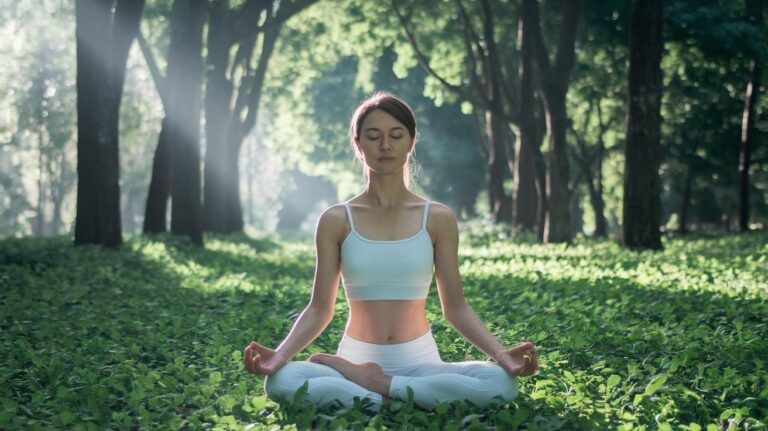
Mindful awareness is simply about tuning into the present moment. It’s like pausing to notice the sensations, thoughts, and feelings as they come up, without judging them as good or bad. Imagine sitting quietly and saying to yourself, “Hey, I notice my breath flowing in and out,” and that little reminder gently brings you back to now.

This way of being sharpens your inner radar, helping you catch the tiny shifts in your mood or the way your body feels. And just like exploring a new neighborhood, meditation here isn’t about reaching a final stop, it’s all about the little discoveries along the way, like the soft caress of a breeze or a fleeting, surprising thought. It encourages a spirit of curious observation without overreacting.

When you nurture mindful awareness, you’re essentially training your mind to stay present, letting experiences just roll out naturally. It’s a foundational practice that lets each moment teach you something new, revealing subtle insights and the untapped potential of simply being here.

Scientific Benefits of Mindful Awareness

img-1.jpg

Recent research shows that practicing mindful awareness can truly boost your mental well-being. Studies on meditation reveal that simple techniques, like nasal breathing, can improve how your brain works. Imagine this: a brief, 5-minute guided meditation where you focus solely on your breath can clear your mind and help you concentrate better. And when you dive into deep, intentional breathing, it calms down stress hormones, giving you both a mental pause and a soothing physical effect. Over time, these practices not only ease tension but also strengthen your brain’s focus.

Scientific findings suggest that even a short, guided practice, say, a quick 3-minute body scan, can lower anxiety and sharpen your emotional balance. When your mind settles into the present, it’s better equipped to handle life’s challenges, often leading to a warmer self-compassion and a brighter mood. Beyond offering an immediate break from stress, mindful awareness builds a foundation for lasting mental health. In fact, one study found that regular mindful breathing significantly improved the way participants managed their emotions.

When you practice mindful awareness, some key benefits include:

  • Reduced stress and lower cortisol levels
  • Sharper attention and clearer thinking
  • Stronger emotional balance and regulation
  • Increased self-compassion and a more positive mood
  • Better memory recall and cognitive performance

All in all, the research shows that mindful awareness isn’t just about catching a brief moment of calm; it’s a science-backed tool that helps you achieve deeper, lasting clarity and balance in your everyday life.

Core Techniques for Cultivating Mindful Awareness

Start by setting aside a quiet moment just for yourself, a chance to let your mind unwind and settle into a calm focus. One favorite way to do this is the 5-Minute Breathing Meditation. It invites you to sit in silence and let each gentle breath bring your attention back to the present. Imagine taking a deep breath, “breathe in calm, breathe out distraction”, and notice how each cycle ushers in a feeling of reflective calm.

Breath-Focused Meditation

Sit comfortably, close your eyes, and tune into the natural rhythm of your breath. When thoughts wander in, just acknowledge them without any harsh judgment and bring your focus back to breathing. This simple practice strengthens the bond between your mind and body, turning each breath into a little guide on your journey.

Body Scan Meditation

Gently move your awareness from your toes up through your body, pausing at each spot to feel its presence. Notice where tension has taken hold, and as you exhale, imagine releasing that tightness, like slowly rolling out a tiny ball of stiffness. This mindful check-in helps you not only spot discomfort but also gently ease it away.

Mindful Movement Exercises

Combine some soft stretches with deliberate breathing to transform simple movement into living meditation. Picture yourself slowly raising your arms or stretching your legs in tune with each inhale and exhale. In doing so, you let your body convey its story to your mind, deepening the bridge between moving and being still.

Extended Breath Awareness

For those wanting to dive a bit deeper, an 11-minute guided session can help you keep your focus on the flow of your breath. Let each inhalation and exhalation remind you of the constant interplay between your inner world and the here-and-now. This approach turns everyday breathing into a continuous, calming performance that helps you stay centered all day long.

Daily Practices for Integrating Mindful Awareness

img-2.jpg

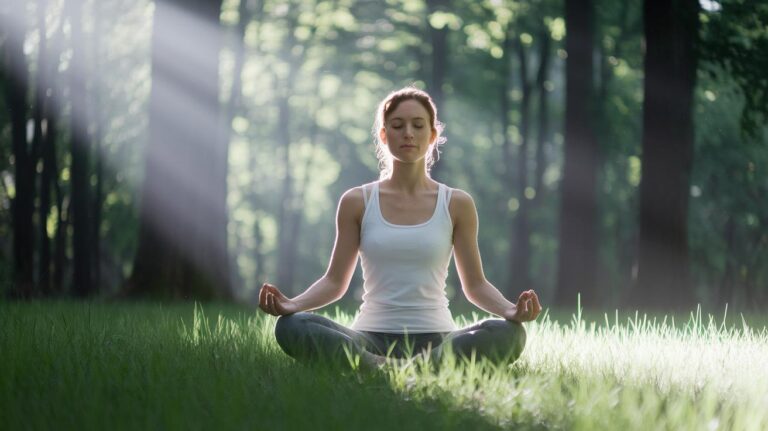
Everyday moments can be an invitation to experience calm. So, before you pick up that ringing phone or switch tasks abruptly, why not take a slow, deliberate breath? Picture this: just before dialing, fill your lungs, feel your chest gently expand, and allow yourself a moment to simply be present.

Bring a touch of mindfulness to mealtime as well. When you enjoy an apple, for instance, pay close attention to its crisp bite, the unexpected burst of sweetness, and that delicate hint of tang. It turns eating into a quiet celebration of the now.

At work, try focusing on one task at a time. Take a moment to check in with your posture or notice your breathing between projects. A brief look around your desk or a quick stretch can remind you to stay grounded amid the busyness.

Consider taking short micro breaks, just one to three minutes, to really take in your surroundings, the subtle sounds around you, or even the sensations in your body. These tiny pauses serve as little resets, helping you move smoothly from one activity to the next while keeping your awareness intact.

  • Before answering calls or shifting tasks, take a mindful breath.
  • Transform eating into a mindful ritual by savoring every taste, aroma, and texture.
  • Focus on one task at a time at work, and don’t forget to stretch.
  • Use short breaks to notice your surroundings and tune into your body.

Tracking and Deepening Your Mindful Awareness

Before each session, give yourself a quick, honest check-up by rating your focus on a 0–10 scale. Imagine it like catching a glimpse of your mind's current vibe, maybe you see a 4 in the morning, but after some time meditating, you might feel a noticeable lift.

You might try setting a timer for 5, 15, or even 30 minutes to see how long you can keep that full attention. It’s like testing how far you can run before catching your breath, but with your mind.

After your session, take a moment to jot down what you felt, maybe a change in your thoughts, feelings, or even the way your body feels. This little journal isn’t just a log; it’s a story of your growing awareness, capturing the subtle shifts that might otherwise slip by.

  • Rate your attention on a scale from 0 to 10.
  • Write down your thoughts, emotions, and body sensations after each session.
  • Use timed sessions to challenge and measure your focus endurance.
  • Try a simple drill by concentrating on one object or sound to boost your mental stamina.

By keeping track of these details, your practice transforms into a journey, a deeper dive into sustaining and sharpening your focus, making every small step count.

Final Words

In the action, we explored how mindful awareness means being fully present, touching on its benefits, practical techniques, daily habits, and ways to evaluate progress. We walked through short meditations and simple body and breath exercises, showing how little mindful breaks can make a big difference.

This wrap-up invites you to savor the small moments and let each mindful awareness practice brighten your day. Positive energy flows when you balance ancient practices with a dash of modern fun.

FAQ

What does mindful awareness mean?

Mindful awareness means intentionally being present by noticing thoughts, feelings, and sensations as they occur without judging them, fostering a calm and clear state of mind.

What are some examples of mindfulness in everyday life?

Examples include pausing for a deep breath before answering a call, savoring each bite during meals, or taking a brief moment to feel your surroundings during busy moments.

What are common mindfulness exercises and techniques?

Common techniques involve breath-focused meditation, body scanning to notice tension, and mindful movement, all designed to center your attention and bring clarity to daily activities.

How can mindfulness benefit students and daily life?

Mindfulness benefits students and busy adults by reducing stress, sharpening focus, regulating emotions, and encouraging a more balanced and attentive approach to everyday tasks.

What are the 3 P’s of mindfulness?

The 3 P’s represent paying attention to the present moment, perceiving without judgment, and patiently observing sensations and thoughts as they naturally arise.

What is mindful self-awareness?

Mindful self-awareness is the practice of observing your inner experiences with kindness and curiosity, helping you understand and regulate your emotions and thoughts more effectively.

Mindfulness Gratitude: Embrace Calm And Joy

0

Ever thought that a brief pause might sprinkle your day with calm and joy? Imagine sitting with your coffee, its inviting aroma wrapping around you, or listening to the gentle rustle of leaves as they dance with the wind. Mindfulness nudges you to cherish the present moment, while gratitude reminds you to treasure life's smallest blessings. Together, these practices can boost your mood, ease your worries, and fill your routine with a steady, soothing energy. In this piece, we'll explore how blending mindfulness with gratitude can transform ordinary days into a series of delightful miracles.

Mindfulness Gratitude Fundamentals for Emotional Well-Being

Mindfulness is all about tuning into the present moment. It’s like pausing to feel the gentle glow of morning light or hearing the soft rustle of leaves, all without judging what comes to mind. And then there's gratitude, the simple act of noticing and cherishing the little blessings in life, whether it’s a warm smile or the comforting taste of your favorite coffee. I remember a friend once saying, "I felt that a gentle breeze turned an ordinary day into a joyful surprise," which perfectly captures the heart of mindful thankfulness.

When you mix mindfulness with gratitude, it creates a calm, steady energy that can quiet even the busiest thoughts. Think of it like a snow globe; after the shake, everything settles into a clear and serene scene. This practice helps you recognize everyday miracles while gently bringing your focus back to the here and now.

Science is on board too. Research shows that mindfulness can ease symptoms of depression, reduce chronic pain, and even curb habits like smoking. And when you add gratitude into the mix, your brain’s way of handling emotions gets a boost, leading to a steadier mood and less stress. Some studies even show that regular mindful practices help people stay less distracted and feel more vibrant overall.

Embracing mindfulness and gratitude doesn’t just brighten your mood; it can boost your physical well-being as well. Many people notice fewer headaches, less tension, and a deeper sense of relaxation. By nurturing this balanced approach, you're building a resilient mindset that makes everyday stressors easier to handle and life just a bit more joyful.

Mindful Appreciation Techniques and Daily Gratitude Awareness

img-1.jpg

Ever take a moment to truly savor the little things? Imagine enjoying the soft aroma of your morning coffee or pausing at a red light to take a few mindful breaths. These moments help you notice life's small wonders. By slowly training your mind to recognize and cherish these everyday blessings, you'll fill your life with a gentle current of gratitude.

Here are a few simple practices to try:

  • Spend 30 seconds soaking in a single sensory detail.
  • As you take your next deep breath, think of one thing you're thankful for.
  • Tune into five different sensations in your body and name one gratitude associated with each.
  • Relax your shoulders, lift your spine, and breathe deeply while feeling thankful.
  • Take a brief pause before meals to reflect on one positive aspect of the food.
  • Conclude your calls or meetings by silently appreciating someone or something.

These mindful habits not only boost your awareness but also help you connect more deeply with the present moment. Over time, these small acts can turn everyday routines into powerful rituals of joy and calm, a continuous thread of thankfulness woven through your day.

Gratitude Journaling Guide for Mindfulness and Thankfulness

Have you ever noticed how a simple moment can feel magical when you take a minute to appreciate it? Writing down your gratitude turns an ordinary day into a quiet celebration of calm and insight. In fact, a study showed that nearly 300 adults who wrote a gratitude letter each week for three weeks experienced better mental health, even 12 weeks later. It’s amazing how a few humble words can brighten your mood and ease physical discomfort, creating a ripple of positivity throughout your day.

Here’s a little list of prompts to spark your reflections:

Prompt Description
Three Good Things that happened today Remember and record the small joys.
One challenge turned into a lesson See growth even in tough times.
A person you’re grateful for and why Reflect on the warmth of relationships.
A simple pleasure you savored today Notice everyday delights.
A strength you used to overcome an obstacle Celebrate your inner resilience.
An opportunity you appreciate Be thankful for chances that come your way.
Something in nature that inspired you Embrace the beauty in the natural world.
A kind act someone did for you Recall moments of unexpected kindness.
A personal talent you value Honor the unique gift you possess.
One negative thought you shifted into gratitude Transform challenges into blessings.

Taking just a few minutes each day to write out these reflections can really help you pause and catch those subtle, beautiful moments in life. Over time, your journal becomes a cherished archive of joy and strength, a constant reminder that everyday life is brimming with little wonders waiting to be noticed.

Mindfulness Gratitude Meditation Practices

img-2.jpg

Meditation is like hitting the pause button on life, giving you a little break to sink into the present moment. It lets your mind rest and reset so that gratitude can naturally blossom inside you. Think of it as anchoring your thoughts on your breathing, your physical sensations, and the simple miracle of just being alive. It’s a refreshing moment that brings a wave of calm and a touch of joy to your everyday routine.

Five-Minute Gratitude Meditation Script

Find a comfy spot to sit and relax your body. Once you're settled, gently close your eyes and allow yourself to unwind. Start by focusing on your breath, letting it give you a rhythm to follow. As you settle into this peaceful state, try to recall three small, positive moments from your day, each one can be as simple as a smile from a stranger or the taste of your favorite coffee. Hold on to each memory for two full, deep breaths. This practice creates a tender space where gratitude can quietly bloom.

Breath-Focused Thankfulness Pause

Now, bring your attention back to your breath. With your next deep inhale, silently name one blessing that comes to mind, letting that thought fill you up. As you exhale, consciously let go of any tension or negative feelings. Do this for about five breaths, and with each cycle, remember that every breath is a gentle reminder of the silent gifts life offers.

Sensory Savoring Technique

Pick one sense, maybe the soothing sound of a gentle breeze, the comforting feel of a favorite object, or a subtle, pleasing scent drifting by, and spend a full minute fully immersed in that experience. As you enjoy this sensory detail, allow a feeling of gratitude to rise up within you, appreciating that small, beautiful moment in all its simplicity.

Scientific Insights on Mindfulness and Gratitude Benefits

Ever notice how a little bit of thankfulness can change the whole day? Recent studies show that when you focus on gratitude, it sparks specific parts of your brain that help manage stress and balance your emotions. It’s like the brain gives itself a gentle boost, easing those negative feelings and washing away tension.

And guess what? The benefits aren’t just in your head. Folks who make gratitude a habit often report fewer headaches, less shortness of breath, and even a reduction in nausea. One study with high school students showed that a few simple gratitude exercises nudged them toward choosing healthier snacks like fruits and veggies, proving that a thankful mindset can lead to real, physical changes in our lives.

Then there’s the way gratitude ties us together. The find-remind-bind theory tells us that truly appreciating the good in our relationships can strengthen bonds and build inner resilience. So by practicing gratitude, you not only calm your mind but also create a solid foundation that helps you meet life’s everyday challenges with a smile.

Cultivating a Sustainable Mindfulness Gratitude Routine

img-3.jpg

Think of every day as a chance to mix mindfulness with a bit of thankfulness. In the early hours, while you're sipping your coffee or watching the soft glow of the sunrise, take a moment to notice one small blessing. It could be as simple as reminding yourself, “Before breakfast, a few seconds of gratitude can set a whole new tone for the day.” It’s like a little nudge that echoes our earlier meditation tips.

Around midday, give yourself a quick break. Maybe pause to take a deep, satisfying breath and appreciate something gentle, a warm smile from a stranger, a cool breeze brushing by, or the soothing caress of the sunlight. Picture this as a tiny pause that mirrors the mindful techniques we talked about before.

As evening draws in, try winding down with a bit of reflection. You might jot a few thoughts in your journal or softly repeat a simple mantra. Think of it this way: “A brief reflection at night can turn everyday challenges into valuable insights.” It’s a friendly nod to the journaling practices we’ve mentioned elsewhere.

Quick daily tip: See these moments as natural, flexible cues woven into your day rather than rigid tasks. You can pair these simple practices with more detailed mindfulness guides, affirmation cards, engaging workshops, or even guided mini-courses to keep that sense of awareness flowing all day long.

Final Words

In the action, we uncovered mindfulness gratitude fundamentals that blend present-moment awareness with intentional thankfulness. We explored simple techniques, from savoring daily moments to insightful journaling and calming meditation. Each method was paired with research insights and real-life practices to help foster joyful reflection. By infusing your day with mindful gratitude, you create a continuous wave of positivity that lifts both emotional and physical well-being. Keep embracing these practices and celebrate the pleasure of everyday inspiration.

FAQ

What is a gratitude mindfulness script and exercise?

The gratitude mindfulness script and exercise blend present-moment focus with thankfulness, guiding you to notice each breath and the simple joys of life to foster a calm, appreciative mindset.

Where can I find a gratitude mindfulness script PDF?

A gratitude mindfulness script PDF is available online from various resource sites, offering easy-to-follow, step-by-step guidance for cultivating mindful thankfulness.

What is gratitude meditation?

Gratitude meditation is a practice that combines mindful awareness with intentional thankfulness, allowing you to center on life’s positives and reduce stress with focused, soothing reflection.

How does mindfulness gratitude work for kids?

Gratitude mindfulness for kids uses playful, gentle activities that invite young minds to notice everyday blessings, building early habits of mindfulness and a joyful, reflective outlook.

What are five ways to practice gratitude?

Five ways to practice gratitude include savoring a sensory detail, naming a blessing with each breath, recording positive moments in a journal, pausing before meals, and expressing thanks in daily interactions.

How can I practice gratitude every morning?

Starting your day with gratitude might involve a brief reflection on everyday blessings, writing a few thankful thoughts in a journal, or pausing mindfully to set a positive tone for the day.

What is a gratitude journal?

A gratitude journal is a written record where you note daily blessings and positive moments, helping to shift focus toward thankfulness, boost mood, and maintain a balanced emotional state.

What is mindfulness gratitude?

Mindfulness gratitude is the practice of combining present-moment awareness with deliberate thankfulness, designed to help you appreciate small joys and set a positive tone in your daily life.

What are the 4 A’s of gratitude and how do they relate to Buddhism?

The four A’s of gratitude are often understood as Awareness, Appreciation, Acknowledgment, and Acceptance. In many Buddhist contexts, gratitude is nurtured through rituals, mindful reflection, and sincere recognition of life’s gifts.

What are the three types of gratitude?

The three types of gratitude generally include interpersonal gratitude, situational gratitude, and existential gratitude, each offering a distinct way of recognizing and celebrating the positive aspects of life.

Mindfulness Retreats: Inspiring Escapes For Well-being

0

Ever wonder if a mindful escape might bring a touch of peace to your busy life? More than just a break from daily stress, mindfulness retreats invite you to slow down and tune back into what truly matters. They guide you through calming meditations, offer quiet moments of reflection, and create space to share experiences with kindred spirits.

In this article, we show how these inspiring retreats can help you restore balance and well-being without breaking the bank. Ready to explore a getaway that brightens your days and brings a fresh, soothing perspective? Let's dive in.

Locating and Booking Mindfulness Retreats

Imagine hitting pause on the daily hustle to rediscover a sense of calm, that's exactly what these retreats offer. They provide a welcome break from our non-stop modern world, inviting you to reconnect with a more centered, peaceful self. Since 2010, Inward Bound Mindfulness has guided over 5,000 participants, hosting events in 16 states and 3 countries. Whether you're after a quick weekend escape in the heart of the city or a more extended retreat in a naturally serene setting, there's an experience crafted just for you.

Thanks to generous donations that total around $2.49 million, nearly 79% of attendees can enjoy a flexible sliding-scale tuition. This means these transformative retreats remain accessible no matter your budget.

Location Dates Audience Scholarship Info
Virginia 6/17–6/20 Adults Sliding‐scale tuition model
Northeast 7/13–7/18 Teens Financial support available
Southern California 7/27–8/1 Teens Sliding‐scale tuition model

If you're ready for an escape that nourishes your well-being, take a moment to browse the program brochures or get in touch with the organizers. The registration process is super straightforward, featuring simple online forms with all the details on dates, target audiences, and available scholarships. By comparing your options, you'll easily find the retreat that best fits your lifestyle and budget. So why wait? Reach out, book your spot, and get set to enjoy an experience that’s truly transformative.

Mindfulness Retreats: Inspiring Escapes for Well-being

img-1.jpg

Start your morning with a calm, guided mindfulness meditation that gently wakes you from sleep, paired with soothing yoga moves. Imagine the soft light of early dawn enveloping you as you settle into a peaceful space where every breath feels like a step towards clarity. Many folks share a few smiles and light-hearted moments during these sessions, it’s like a cool splash of water that refreshes not only your skin but your soul.

As the day rolls on, nature itself seems to whisper in silence. Picture yourself wandering along a quiet forest path or resting by a serene stream, letting your thoughts drift away like leaves on water. Mid-day activities, with elements like MBSR techniques (mindfulness-based stress reduction, which helps calm the mind’s constant chatter) and mindful silence, invite you to pause and truly listen within.

Evenings at the retreat bring warm discussions and gentle group reflections. Over simple meals and engaging dharma talks, everyone shares little insights from their day. This time together deepens your personal practice while building a close-knit, supportive community, making you feel both seen and celebrated on your shared journey.

Pricing and Scholarship Options at Mindfulness Retreats

Imagine planning a 3- or 4-day retreat where tuition falls between $300 and $600. There are different options for every budget, whether you decide to pay in full, opt for the low-pay plan, or explore a scholarship. The retreat brochures lay out every expense clearly, much like checking items off your favorite shopping list, so you know exactly where your money is going.

There’s even room for a bit of flexibility. Early bird discounts can help you save a little extra, and you can always add an extra donation if you feel like it. This sliding-scale model, supported by $2.49 million in donations, has already helped around 79% of previous attendees get the financial support they needed.

The latest brochures break down every fee and financial aid option in easy-to-understand terms, making it simple to plan your budget and choose the best option for your situation.

How to Choose the Right Mindfulness Retreat

img-2.jpg

Mindfulness retreats come in all shapes and sizes, from a quiet weekend escape to a deep, multi-week immersion that feels like stepping into a serene sanctuary. You might find retreats designed for corporate teams, teacher training, summer programs for youth, or even special sessions to welcome the New Year. Each option is meant to resonate with different needs and tastes.

Consider a few key points when deciding:

  • Desired duration (are you looking for a weekend unwind, a week-long journey, or an intensive dive?)
  • Level of experience (whether you’re just starting out or have some practice under your belt)
  • Focus area (perhaps you’re drawn to MBSR, a silent retreat, or a blend of yoga and meditation)
  • Group type (designed for adults, teens, or even couples)
  • Location setting (do you prefer the rustic charm of rural life, the buzz of an urban setting, or the gentle embrace of nature?)
  • Budget and whether scholarships might be available

Before you make a booking, it’s always a good idea to look over program brochures and hear the voices of past participants through their testimonials. Taking this little extra step helps ensure that the retreat you choose will support your personal growth, whether you’re after relaxation, honing new skills, or bonding with like-minded souls. Isn’t it amazing how aligning your needs with the perfect retreat can set you on a truly rejuvenating path?

Top Mindfulness Retreat Destinations

Northern Shenandoah Valley in Virginia truly stands out with its quiet, forest-framed retreats offering multi-day silent experiences. Here, nature gently draws you into a state of mindful presence, almost like a warm invitation. And then there’s Southern California, where both teens and adults can enjoy a delightful blend of beachfront vibes and mountain escapes, imagine the soft murmur of the ocean paired with the inspiring sight of majestic peaks that spark deep reflection. Over in the Northeast, spanning New York, Massachusetts, and Pennsylvania, charming countryside lodges mix the rhythms of yoga with calming meditation, creating a rustic yet refreshing retreat atmosphere.

Picture waking up in a snug forest cabin in the Shenandoah Valley, with the quiet rustle of leaves as your morning greeting. Now, envision the lively energy at seaside lodges in Southern California, where expansive ocean views help you reconnect with your inner calm. And consider the welcoming countryside retreats of the Northeast, where structured yoga moments blend seamlessly with peaceful meditation, offering you a sense of balance and renewal. There are also pop-up retreats in Maryland, West Virginia, and Washington, D.C. that invite visitors from across the country to explore new settings and build diverse connections.

Retreat events are often scheduled during bright summer days or around the reflective spirit of New Year’s, letting you synchronize your journey of renewal with nature’s own beautiful cycles.

Success Stories from Mindfulness Retreats

img-3.jpg

Over 5,000 alumni have attended these retreats and come away with more than just memories, they’ve built real bonds and discovered a deeper inner awareness. Their experiences have sparked lasting friendships, brought a gentle calm into their daily routines, and inspired a true commitment to mindful living. Every story is a little reminder of a caring community founded on compassion and personal growth.

One participant fondly recalls, "My time at the retreat helped me regain focus and ease daily stress," while another noted that embracing silence and group reflection has truly changed how they face challenges and savor life’s simple moments.

Even after the retreat wraps up, the journey continues. Regular meet-ups, friendly check-ins from experienced teachers, and active online groups keep the connections alive. This ongoing support not only shares practical tips but also offers a heartfelt sense of belonging, ensuring that the benefits of those quiet moments remain part of everyday life.

Registration Process for Mindfulness Retreats

Kick things off with a super simple five-step journey that guides you from checking out our retreat schedules online to getting a friendly confirmation email with all the details. First, take a peek at our downloadable brochures and choose the dates that feel just right for you. Then, pop over to the online registration form where you share a few details about yourself and select the retreat that calls to you. After that, pick a fee tier that fits your budget, and if you need a little extra help, don’t hesitate to ask for a scholarship. Finally, complete your registration and keep an eye on your inbox, your confirmation email is on its way.

That confirmation email isn’t just a routine note, it’s like a personal guide for a smooth arrival. It comes loaded with a clear packing list, easy-to-follow arrival instructions, and even a few pre-retreat meditation tips to help you settle in calmly. This thoughtful prep not only makes sure you have everything ready for a refreshing escape, but it also gets you acquainted with the retreat vibe. A little early planning can ease any last-minute nerves and set you up perfectly for a gentle digital detox.

Final Words

In the action, this article guided you through the process of exploring and booking mindfulness retreats. We highlighted how to find the right dates, activities, and financial options while sharing what to expect from morning meditations to evening reflections. You saw clear steps for registration, learned about diverse retreat environments, and even caught inspiring success stories. Step into these experiences with a light heart and an open mind, ready to refresh your spirit and embrace positive change.

FAQ

What is meant by “mindfulness retreat near me”?

The term mindfulness retreat near me refers to local getaways offering guided meditation, yoga, and reflective practices. These sessions provide accessible relaxation and self-exploration close to home.

What is a mindfulness retreat for beginners?

A mindfulness retreat for beginners introduces simple meditation techniques and gentle practices in a relaxed environment, helping novices gradually build skills and confidence in mindful living.

What do mindfulness retreats 2025 offer?

Mindfulness retreats 2025 highlight scheduled programs in the upcoming year, featuring organized meditation sessions, gentle yoga, and group discussions designed to support deepening mindful practice.

What can one expect from a mindfulness retreat in Europe?

A mindfulness retreat in Europe offers immersive meditation experiences in serene European settings, combining cultural insights with nature-inspired tranquility and expertly guided mindfulness practices.

What defines the best mindfulness retreats?

The best mindfulness retreats combine expert-led sessions, nurturing environments, and thoughtful programming. They provide relaxational support and practical tools that help cultivate lasting inner calm.

How is the Spirit Rock retreat cost structured?

Spirit Rock retreat cost usually covers guided meditation sessions, group discussions, and accommodations, with pricing that varies by duration and package, often including flexible payment options.

How does Plum Village retreat cost work?

Plum Village retreat cost operates on a donation-based model, offering guided mindfulness sessions, communal meals, and simple lodging, so participants contribute according to their ability.

What are spiritual retreats?

Spiritual retreats extend beyond standard mindfulness practices to include reflective and community-based activities that nurture inner growth, offering a blend of meditation, discussion, and soulful reflection.

Self Compassion Meditation: Cultivate Inner Calm

0

Ever thought that a little bit of self-kindness might change your whole day? Self-compassion meditation helps turn that harsh inner critic into a caring friend, kind of like receiving a warm, gentle hug when everything feels too heavy. It teaches you to be soft with yourself during the tough moments, to see that everyone makes mistakes, and to simply notice your feelings without any harsh judgment. By taking these simple steps, you can find a calm space within and start a nurturing, honest conversation with yourself. Ready to see how a few mindful moments can brighten your day?

Meditation for Self-Compassion: A Complete Beginner’s Guide

Self-compassion meditation is really about turning that harsh inner critic into a warm, encouraging friend. It’s like when you mess up and instead of beating yourself up, you whisper, “It’s okay, I’m learning.” This practice rests on three simple ideas: being kind to yourself rather than overly critical; realizing that everyone trips up sometimes, so you’re never really alone in your struggles; and gently noticing your feelings without letting them take over.

In this practice, self-kindness means giving yourself the same warm care you’d offer a dear friend during tough times. Then, there’s the idea of common humanity, it reminds you that feelings of disappointment or hurt are part of the shared human experience. And mindfulness? That’s simply stepping back to watch your thoughts and emotions without harsh judgment or getting lost in them. Unlike the usual mindfulness exercises that keep you anchored in the present, self-compassion meditation is all about nurturing that kind inner voice using a soft, guided script in a peaceful, distraction-free space.

  • Find a spot where you feel cozy and at ease.
  • Set the intention to treat yourself with genuine kindness.
  • Follow a simple guided script, letting each phrase sink in.
  • Notice your thoughts and feelings as they come, without judging them.
  • End with comforting phrases like “May I be kind to myself.”

This method isn’t just about staying present, it’s about actively building a loving inner dialogue that supports you during hard times. With its gentle pauses and soft prompts, you gradually move away from self-judgment and step into nurturing self-care. Isn’t it amazing how a few mindful moments can remind you of your own worth and inspire a kinder, more forgiving approach to life?

Meditation Benefits Overview: Why Self-Compassion Meditation Helps

img-1.jpg

Self-compassion meditation is like a warm embrace for your inner self, it gently reminds you to cut yourself some slack. When you practice it regularly, you may start noticing a friendlier perspective towards your body and your overall self. Instead of being overly harsh, you replace biting self-criticism with kind, encouraging thoughts. Research even suggests that this kind of meditation can ease feelings of shame and help calm those moments of overwhelming fear, making your stressful days a little more manageable. It also quiets the cycle of negative, repetitive thoughts often linked to anxiety and depression, paving the way for a calmer and more balanced state of mind.

But that's not all. This practice can work wonders on your relationships too. When you nurture compassion within, it naturally spills over to others, making your interactions more empathetic and deeply connected. Studies have found that self-compassion meditation not only aids in healing emotionally but can also help prevent caregiver burnout by building up your resilience and energy. In essence, it creates a supportive inner dialogue that echoes into your everyday life, fostering a more compassionate and understanding environment both at home and within your community.

Guided Compassionate Mindfulness: Audio and Script Options

Step into a space where mindful practices gently guide you to focus on the present and invite a warm kindness within. Whether you’re just starting to explore self-compassion or want to deepen the rhythm of your practice, these sessions are designed to fit your pace. Some sessions include both audio guidance and written prompts, helping you connect deeply with your inner feelings. For those busy moments, the 18-minute session might be just right; when the mood is more reflective, the 32-minute version is perfect for savoring each mindful breath. It’s all about listening closely, pausing after each word, and letting a little kindness settle in your heart.

Session Name Duration Format
Affectionate Breathing 18 min Audio & PDF
Affectionate Breathing 32 min Audio & PDF
Loving-Kindness 20–30 min Audio & PDF
Compassionate Body Scan 15 min Audio
Compassionate Friend 15 min Audio
Self-Compassion Break 6 & 13 min Audio

Feel free to make these guided practices your own, tweaking the pace and tone so they match your personal vibe. And just a quick reminder, if ever you share or post these materials, be sure to cite the original source so the spirit of authenticity and respect shines through your journey to inner calm.

Heart-Centered Meditation Technique for Inner Kindness

img-2.jpg

Find a quiet spot where you can unwind for a moment. Gently place one or both of your hands on your heart. This simple act is like a warm invitation, urging you to take a mindful pause. With each breath, imagine welcoming compassion into your body as you inhale, then sending out kindness to yourself as you exhale. Feel that soft warmth under your hand? It’s your body’s own way of saying, “Relax, I’ve got this.”

Now, close your eyes and take a slow, deep breath. With your hand comfortably resting on your chest, draw in air like you're inviting in gentle compassion. Then let that breath flow out steadily, as if you're wrapping yourself in a soft, comforting blanket. It’s a bit like watching ripples on a calm pond, each exhale easing away tension and inviting a sense of peace.

Over time, this practice isn’t just about calming your nerves; it helps soften the heart from the inside out. By mixing mindful breathing with a heartfelt touch, you’re setting up a little haven of emotional balance and resilient warmth. Every moment you spend in this mindful state becomes an affirmation of self-care and inner peace.

Brief Self-Compassion Breaks: Quick Practices for Daily Life

When stress hits out of nowhere, try a Self-Compassion Break, a little reset you can do in just 6 or 13 minutes. It’s not merely a stop; it’s a small, adaptable routine perfect for any hectic moment, whether you’ve just finished a tough meeting or received distressing news. You might even check in with yourself before and after the break, say, “I’m noticing my tension, and it's a sign I need to be kind to myself”, to see how even a short pause can bring lasting calm.

Start by tuning into that discomfort, like feeling the cool caress of fresh air on your skin as you take a slow, deep breath. Rather than simply noticing the feeling, picture a gentle warmth spreading with every exhale, reminding you that this tension is simply part of our shared human experience. Then, as you lightly rest your hand on your chest or cheek, softly affirm, “I’m treating myself with kindness right now,” transforming that moment of stress into one filled with care and comfort.

Compassionate Self-Care Practice: Journaling and Reflection with Meditation

img-3.jpg

Mixing gentle meditation with some mindful writing creates a cozy space where you can truly listen to your inner self. Start by finding a quiet moment each day, close your eyes, take a few deep, calming breaths, and let yourself drift into your writing as if you were chatting with someone who truly cares. Begin by writing a letter to yourself, embracing every little quirk and imperfection with warmth. Imagine you're talking with a dear friend as you sketch out your worries and dreams, letting that reflective process soothe any harsh self-judgment.

Keep a little self-compassion journal where you record your small victories and moments of challenge alike. You might ask yourself things like, "What does my heart really need right now?" or "How can I be gentle with myself as I face today's hurdles?" These thoughtful questions help transform any critical inner voice into supportive, nurturing encouragement. And for those of you who tend to care for everyone else, this special journal can be a safe spot to recognize your own limits and celebrate self-kindness, helping you steer clear of burnout.

This reflective exercise not only grows your inner empathy but also guides you into a calm state of self-awareness. The beautiful mix of journaling and meditation supports you in processing your emotions in a constructive way, building up your resilience and emotional balance. Over time, this practice gently turns stress into compassion, reminding you that you deserve the same kindness you so willingly share with others.

Mindfulness-Based Kindness Training: Integrating Self-Compassion into Daily Routine

Ever thought about treating yourself with a bit of gentle kindness, even amid everyday tasks? Imagine you're whipping up a meal or tidying up your space, take a moment to really feel your body without the rush of the day. When you’re washing dishes, feel the soft warmth of the water on your hands, and let that simple sensation remind you that every tiny mindful act is a quiet nod to your self-worth. Or, as you fold a sweater, let the fabric’s texture invite you into a brief, calming pause.

Why not extend that warmth to a community too? Join a local or virtual group where kindness and mindful reflection are the order of the day. Picture a friendly kindness challenge or a neighborhood workshop where everyone shares ways a brief mindful break, like tending to plants, can ignite a spark of renewal in your routine.

Final Words

In the action of embracing self-kindness, the article showed how self compassion meditation transforms harsh self-criticism into gentle care. It walked through guided practices, heart-focused breathing, and reflective journaling, all meant to nurture a warm mind and spirit.

Little self-care breaks and mindful moments remind us that every pause can spark a smile. Allow each practice to add a bit of light to your day, as you grow in love for yourself and feel truly inspired.

FAQ

What is self-compassion meditation?

The self-compassion meditation is a practice that transforms harsh self-judgment into gentle self-care by focusing on self-kindness, shared human experience, and mindful awareness of present emotions.

What are the three pillars of self-compassion?

The three pillars include treating yourself with kindness rather than criticism, recognizing that suffering is a universal experience, and being mindful of your emotional state without over-identifying with it.

What is the golden rule of self-compassion?

The golden rule of self-compassion means treating yourself with the same warmth and understanding you would offer a close friend when they face difficulties or setbacks.

Where can I find guided self-compassion meditation scripts and exercises?

Guided scripts, PDFs, and exercises—including five-minute versions as well as resources from Kristin Neff—are available online and even on YouTube to help you start a nurturing self-compassion practice.

How do self-compassion exercises and worksheets help?

Self-compassion exercises and worksheets guide you to reflect on your emotions, reframe critical inner dialogue, and develop practices that support a kinder relationship with yourself, promoting emotional healing and resilience.

Bedtime Meditation: Sweet Sleep Awaits

0

Ever notice how your mind just won’t seem to settle at night? Maybe a little bedtime meditation is the gentle nudge you need to ease away the day’s worries. Research tells us that even a brief session can help lead to a more restful and deeper sleep. Picture this: you’re unwinding gradually, with each slow breath softening the rush of thoughts from a hectic day. This simple habit isn’t just about calming down, it’s like hitting a refresh button for your mind, guiding you toward a peaceful, restorative rest. Let yourself relax and embrace the promise of a truly sweet sleep.

How Bedtime Meditation Improves Relaxation and Sleep Quality

When you take a few moments to meditate before bed, you're giving your mind a chance to unwind from the stresses of the day. Research shows that even a short session can help you fall asleep faster and enjoy a deeper, more restorative sleep. Picture this: after a hectic day, a brief guided meditation lets you melt away tension and drift off into a calm slumber.

We all know how stress can keep our minds buzzing at night, with endless thoughts and worries that seem impossible to quiet down. A little meditation can gently steer your focus back to the present, helping your body relax naturally. Many have shared that a slow, rhythmic breathing exercise during a guided meditation helps clear those racing thoughts, leaving the mind peaceful and at ease.

Meditating in bed shifts your attention away from the day's chaos, easing anxiety and promoting a sense of emotional balance. While it doesn't replace the need for enough sleep, it does make the transition into sleep smoother, allowing you to fall asleep quickly, sleep longer, and wake up feeling refreshed.

So try mixing things up with techniques like relaxation meditation, guided sleep meditation, or deep sleep meditation. Each method can help break the cycle of restlessness and welcome you into nights full of peaceful, revitalizing rest.

Preparing Your Space for Effective Bedtime Meditation

img-1.jpg

Imagine wrapping your evening in a gentle routine that tells your mind, “Hey, it’s time to relax.” Start with a simple cue, maybe a soft reminder or an alarm that nudges you into a calm state, inviting you to ease into your nightly meditation.

Then, set the stage for tranquility. Think of dimming the lights so they glow softly like a quiet sunset, and adjust the room to a comfy 65–68°F. Picture yourself snuggling under a cozy blanket, with the gentle light around you creating a serene escape.

Keep in mind that your ritual doesn’t need to be strict. Whether you choose a favorite chair or simply settle into bed, the idea is to find a spot that naturally feels right. It’s all about what makes you comfortable.

Sprinkle in small habit cues, a whiff of a calming scent or a special little nook just for you. Even a few deep, mindful breaths, inhale slowly, exhale gently, can invite a peaceful mood.

And, as always, listen to your feelings. If anything feels off or you ever feel dizzy, take a pause and consider reaching out for professional advice.

6 Guided Bedtime Meditation Techniques for Deeper Sleep

After a busy day, these six gentle meditation techniques help you wind down and settle into a peaceful sleep. Each method gives you clear, step-by-step instructions so you can find the approach that best suits your evening routine.

  1. Body scan meditation for sleep
    Imagine slowly shifting your focus from the top of your head right down to your toes. This method guides you to spot any tension and let it go. Picture your mind gliding over each part of your body, softening away stress like ice melting under a warm sun. It’s a sensory journey that calms both your body and your thoughts.

  2. Progressive muscle relaxation sleep
    Start by tightening a group of muscles, maybe your feet, and hold that squeeze for a few seconds before completely relaxing them. Visualize beginning at your toes, releasing the tension, and feeling a wave of calm rising through your body. It’s like clicking a reset button on your muscles, one relaxing step at a time.

  3. Breath-focused meditation
    Ease into a slow, steady rhythm of deep inhales and gentle exhales. Think of your breath as a soft tide that washes over you, smoothly keeping any stray thoughts away. Try this little trick: breathe in as if you’re savoring your favorite cool drink, and let your breath out as if you’re freeing yourself from a lingering worry.

  4. Visualization meditation
    Create a peaceful scene in your mind, a quiet beach at sunset or a garden softly lit by twilight. Let your imagination fill in the details, carrying you away from daily stresses and inviting a warm, soothing smile to your face.

  5. Mindfulness meditation at night
    Watch your thoughts as they float by, like clouds drifting gently across the sky, without getting caught up in judging them. This practice keeps you anchored in the present, letting each thought pass without disturbing your calm.

  6. Loving-kindness meditation
    Quietly repeat gentle phrases like, "May I sleep deeply, may I wake up refreshed." This kind self-talk wraps you in a sense of security and self-compassion, preparing your mind and body for a night of rest.

Each of these techniques offers you a simple way to reconnect with a peaceful state of mind and body, setting the stage for a night full of restorative sleep. Enjoy this intimate journey as you prepare to drift off into dreamland.

Choosing Bedtime Meditation Audio and Music

img-2.jpg

Imagine turning your nightly routine into a soothing escape with a gentle guide by your side. A 20-minute guided session, for example, might quietly invite you to "close your eyes, take a deep breath," leading you step by step into a state of calm. It’s like having a friend share a quiet evening ritual, perfect for anyone dipping their toes into meditation.

Then there's the magic of sleep meditation music. Picture nature sounds, the soft patter of rain or the rhythmic murmur of ocean waves, surrounding you with calm. These ambient soundscapes work without words, gently settling your mind into stillness. Often, these tracks come paired with mini-courses, workshops, or affirmation cards that help deepen your nighttime practice. They’re super flexible too, easily playing on your favorite smart device or through a meditation app.

Type Example Title Duration/Notes
Guided Meditation Track 20-Minute Easing-into-Sleep Narrated session for beginners
Sleep Meditation Podcast 12-Minute Sleep Journey Calming voice narrative
Nature Soundscape Ocean Waves Lullaby Pure ambient sounds
Meditation Mini-course Evening Calm Includes affirmations

Isn’t it lovely how a little audio can turn your pre-sleep routine into a peaceful retreat? Give one a try, and let the gentle sounds carry you into a night of restful, rejuvenating sleep.

bedtime meditation: Sweet Sleep Awaits

Ever tried blending meditation into your nightly routine like mixing a favorite habit with a dash of calm? Imagine this: after brushing your teeth or jotting down a few thoughts in your journal, you take a minute to settle into a gentle guided session that eases you into sleep. It turns your usual evening activities into a natural, soothing ritual.

A handy tip, set a simple reminder on your phone to cue your peaceful moment. On busy nights, a quick 5- to 10-minute session can work wonders, while a slower-paced evening might invite a 15- to 20-minute meditation. Picture yourself either reclining in bed or settling into a comfy chair beside your sleep space. It’s all about finding what feels right in the moment.

Here are some friendly suggestions to get you started:

  • Tie your meditation to everyday habits (like after brushing your teeth or journaling)
  • Keep it short, around 5–10 minutes on hectic nights, and extend to 15–20 minutes when you can
  • Choose a versatile spot: lie down in bed or sit nearby in comfort
  • Don’t push for sleep; let your meditation gradually invite a restful state
  • If strong emotions bubble up, take a pause and consider seeking a bit of professional guidance

These gentle steps help transform your evenings into a reliable, calming escape, making that peaceful slide into sleep feel both natural and inviting.

Supporting Sleep with Hygiene and Lifestyle Changes

img-3.jpg

Sleep isn’t just about meditating for a few minutes before bed; it’s also about the everyday habits you build. When you mix gentle sleep techniques with good sleep practices, you create a cozy atmosphere that invites a peaceful night. Try setting aside 30 to 60 minutes before you hit the pillow to switch off screens. This little pause helps your mind relax naturally and sets the stage for any meditation that might ease your sleeplessness later.

It also helps to stick with a routine. Waking up at the same time every day and keeping caffeine to the morning hours work wonders. A brisk walk or some light exercise for 20 to 30 minutes and a bit of sunshine during the day can tune your body clock, making it easier to drift off at night.

Even short mindfulness breaks here and there can ease stress and pave the way for a more restful sleep. Over time, these tweaks not only improve your sleep quality but also boost your alertness during the day. Here are some friendly tips to keep in mind:

  • Avoid screens right before bed.
  • Stick to a regular wake-up time.
  • Cut back on caffeine after noon.
  • Enjoy some daily exercise and time in the sunlight.

Pairing these habits with your bedtime meditation deepens the overall benefits, bringing you to a deeper, more restorative sleep.

Tracking Your Sleep Improvements After Bedtime Meditation

Once you start your nightly meditation, it’s really inspiring to watch how your sleep unfolds over time. Grab a simple journal or a favorite sleep-tracking app and begin noting a few things: how long you take to drift off, the number of times you wake up, and the actual hours of sleep you get each night. Think of this little record as your personal sleep story, one that shows how deep and restorative your meditation practice is becoming.

  • Write down how long it takes you to fall asleep.
  • Note each awakening during the night.
  • Record your total sleep hours each night.

Pay attention to the tiny signs too, like a slower heart rate before bed or a deep sense of calm as you settle in. Over time, you might see longer periods of deep sleep, fewer nighttime disruptions, and mornings where you truly feel renewed. And if things don’t go as expected, feel free to adjust the length or approach of your meditation. This thoughtful tracking turns your sleep log into a powerful tool for improving your rest and enhancing every new day.

Final Words

In the action, bedtime meditation guides us to calmer nights and deeper sleep. We explored how practicing meditation before bed reduces stress and eases racing thoughts, while practical tips help set up a serene space for relaxation.

Different guided techniques, from body scans to breath-focused sessions, offer simple ways to foster better sleep habits. Pairing these methods with lifestyle tweaks creates more rewarding, restful evenings.

Overall, embracing these calming practices means welcoming peaceful nights and joyful mornings ahead.

FAQ

What are the benefits of bedtime meditation for adults?

Bedtime meditation for adults calms the mind, eases anxiety, and promotes deeper, more restorative sleep by reducing stress and quieting racing thoughts.

How does bedtime meditation enhance sleep and relaxation?

Bedtime meditation for sleep uses techniques like body scans, breath focus, and guided visualizations that help ease tension and foster a smoother transition into deep rest.

What free guided meditation options are available for sleep and anxiety?

Free guided meditation for sleep and anxiety options include YouTube channels and mobile apps offering sessions with calming instructions and nature soundscapes to help settle your mind without cost.

Is it beneficial to meditate right before bed?

Meditating just before bed helps relax the body and quiet the mind, setting up a peaceful transition into sleep and reducing pre-sleep anxiety.

What defines a good sleep meditation session?

A good sleep meditation features guided instructions—often lasting 10-20 minutes—with techniques such as deep breathing, visualization, or mindfulness that ease you into relaxation.

Does a 20-minute meditation session replace hours of deep sleep?

Twenty minutes of meditation does not substitute for hours of deep sleep; instead, it helps reduce stress and ease you into a quicker, smoother onset of natural, restorative sleep.

How can I practice meditation in just two minutes?

A quick two-minute meditation can be done by focusing solely on your breath, taking slow, deliberate inhales and exhales to recenter and calm the mind.

How does bedtime meditation benefit kids?

Bedtime meditation for kids incorporates simple, engaging techniques that ease their minds, reduce bedtime anxieties, and help create a relaxed environment for a comfortable night’s sleep.

7 Mindfulness Techniques For Stress That Spark Serenity

0

Ever feel like stress sneaks up on you? You’re definitely not alone. In our hectic, noisy world, taking just a moment to catch your breath can make a big difference. Imagine your breath as a gentle nudge, inviting you to slow down and savor life’s little moments. Today, I'm sharing seven straightforward techniques that help you press pause on stress and bring a sense of calm into your day. Think of these simple practices, from mindful breathing to spontaneous, joyful pauses, as tiny keys that unlock a peaceful place where serenity is just waiting for you.

Core Mindfulness Techniques for Stress Relief

Ever feel overwhelmed and in need of a pause? Here are seven down-to-earth techniques to bring you back to the present and ease stress as soon as it pops up.

  • Mindful Breathing: Try slow, deep belly breaths that gently lower your heart rate. It’s like softly saying, “Breathe in calm, breathe out tension.”
  • Stress Breath: Experiment with longer, audible exhalations. This method can naturally shift your focus away from worry, offering a quick calm.
  • Body Scan Meditation: Close your eyes and let your awareness travel from your toes to your head. This gentle journey helps you loosen tight muscles and let go of built-up stress.
  • Mindful Movement: Combine easy stretches with a focus on the now. A few mindful movements can soothe stiff muscles and renew your sense of ease.
  • Mini Daily Practices: In the midst of a busy day, take a moment for a mini reset using your five senses. Whether it’s the sound of a bird or the scent of fresh air, these brief pauses can uplift your mood.
  • Mindful Listening: Simply sit quietly and listen to the world around you. Shifting your attention to natural sounds helps drown out stressful thoughts.
  • Mindful Appreciation: Take a brief pause to acknowledge a small joy or bit of gratitude. This simple act can brighten your outlook and foster inner balance.

Mindful Breathing Techniques to Ease Stress

img-1.jpg

Basic Mindful Breathing: Start by slowly inhaling through your nose, feeling your belly gently expand like a soft balloon. Then, exhale comfortably through your mouth, maybe even letting out a delicate sigh. This simple action helps calm your body and ease your heart rate, as if you’re gently releasing tension with every breath.

3-Minute Breathing Space: Take a brief break to truly focus on your breathing. Spend three minutes just noticing each inhale and exhale, letting the quiet rhythm wash over you. It’s like lowering the volume on a hectic day and giving your mind a moment to simply be.

2-Minute S.T.O.P. Exercise: When life gets a bit too fast, pause for a couple of minutes with this quick reset. Stop what you're doing, take a deliberate breath, and check in with your inner state. Then, proceed with renewed calm and clarity, ready to face whatever comes next.

Meditation Practices for Stress Reduction

Formal meditation isn’t just about counting breaths; it’s a journey into full-body awareness that helps build emotional resilience. It gently encourages you to explore every thought and sensation with a kind, curious mindset, almost like walking through a serene forest where each step reveals something new about yourself.

Body Scan Meditation

Imagine spending 20 minutes slowly traveling from your toes to your crown, noticing every little sensation along your journey. It’s a process of gently acknowledging any tension and letting it drift away, just like watching soft clouds float across a bright sky. Picture this: focusing on the sensations in your feet and slowly releasing each bit of tightness as you move upward, embracing every moment with a touch of gentle curiosity.

Loving-Kindness Meditation

In this 15-minute practice, you silently repeat kind phrases aimed at nurturing warmth for yourself and those around you. It might sound like a quiet conversation with your inner friend, say, “May I be at ease,” allowing that sentiment to spread outward to others. Think of it as caring for a tender plant, giving it just enough water and sunlight until it blossoms with heartfelt warmth.

Seated Breath Meditation

For about 10 minutes, simply sit and let your focus settle on the natural rhythm of your breath. Notice each inhalation and exhalation, just as if you were watching a gentle tide wash in and out on a calm shore. This practice trains you to stay present, creating a pocket of calm that can ease even the most hectic moments of stress.

Technique Duration Purpose
Body Scan Meditation 20 minutes Releases tension and deepens bodily awareness
Loving-Kindness Meditation 15 minutes Fosters emotional balance and compassion
Seated Breath Meditation 10 minutes Enhances focused attention and calm

Mindful Movement and Stretching for Stress Relief

img-2.jpg

Yoga Flows for Tension Release

Let’s spend about 10 minutes moving through a series of gentle poses that feel like a warm chat with your body. Picture yourself slowly stretching your arms wide and then folding forward with care, each movement harmonizing with a deep, calming inhale and a soft exhale. This simple flow helps ease the tightness in your neck, shoulders, and back while gently shifting your focus away from everyday worries. Try this: breathe in deeply as you lift your arms overhead, then let them drop slowly with your exhale, watching the tension fade, like watching storm clouds drift away after a rain. It’s a little reset button for both your body and mind.

Mindful Walking Practice

Now, carve out five to ten minutes for a mindful walk. With each step, feel the ground support you and sync it with your breathing. Listen closely to the quiet symphony around you, the gentle rustle of leaves or the distant murmur of voices. This practice turns a simple stroll into a meditative journey, blending your physical movement with a clear release of stress. Each step becomes a moment of calm, carrying you forward through the day with a peaceful, rooted energy.

Everyday Mindfulness Integration to Manage Stress

Everyday mindfulness isn’t some complicated ritual, it’s all about turning ordinary moments into little resets for your mind. By mixing familiar practices like mindful eating, body scans, and sensory check-ins with fresh twists, you create a simple roadmap to ease stress.

Start by blending a quiet moment in nature with personal reflection. For instance, take a few moments outside to really notice the delicate details of a leaf, the way its color and texture catch the light. Then, scribble down one uplifting note from your day. It’s like giving yourself a mini celebration of nature and gratitude.

Let’s talk about mindful eating. Instead of rushing your meals, treat each bite as a small act of self-care. Try spending four minutes savoring every flavor and texture. It turns an everyday meal into a special event that nourishes both body and spirit.

Another neat trick is to combine sensory exercises with brief pauses throughout your day. It might be as simple as naming one thing you see, hear, feel, smell, and taste, and then taking a minute to simply be still. This quick practice can smooth out the rough edges of a hectic day.

Finally, you can mix a quick body scan with some deep breathing during breaks. Just give yourself a moment to check in with your body, and follow it up with slow, controlled breaths. This small routine can help melt away built-up tension and bring you back to a state of calm.

Evidence and Benefits of Mindfulness for Stress Control

img-3.jpg

Clinical studies show that mindfulness practices can be just as effective as some medications for easing anxiety. For example, when people take time each day for mindfulness, they often notice a drop in their anxiety similar to what they’d experience with a dose of escitalopram. And if you’re dealing with social anxiety, joining a group mindfulness session can work nearly as well as cognitive-behavioral therapy, offering a science-backed, natural alternative to traditional treatments.

But the perks of mindfulness don’t stop at managing anxiety. Long-term practice can lead to deeper benefits like better sleep, steadier emotions, and even lower blood pressure. MRI studies have even revealed that regular mindfulness exercises may increase gray matter in parts of the brain tied to learning and memory. It’s like nurturing a garden, small, consistent actions can help your mind bloom over time.

In the end, mindfulness techniques backed by solid research offer a reliable way to tackle both sudden worries and ongoing stress. They provide a strong, evidence-based foundation for building the inner resilience needed to navigate everyday life.

Final Words

In the action, the post showcased clear mindfulness techniques for stress relief that can genuinely reset your day. We explored mindful breathing, meditation practices, and gentle movement, along with simple ways to stitch mindfulness into daily life. Each tip offers a quick pause and a chance to realign your focus, leaving you recharged and more at ease. Embrace these mindfulness techniques for stress and enjoy each moment with a smile and a sense of calm.

FAQ

What are some mindfulness techniques for stress?

The mindfulness techniques for stress include mindful breathing, body scan, mindful movement, and mini practices, each designed to calm your mind and ease physical tension in everyday moments.

How does mindfulness reduce stress?

Mindfulness reduces stress by guiding your focus to the present moment, allowing you to step away from overwhelming thoughts and trigger a natural state of relaxation.

What are the 5 R’s of mindfulness?

The 5 R’s of mindfulness—Recognize, Reflect, Release, Respond, and Reframe—provide simple steps to notice feelings, let go of tension, and approach challenges with a fresh perspective.

What are the 3 C’s of mindfulness?

The 3 C’s of mindfulness—Calm, Clarity, and Connection—remind you to remain composed, see situations clearly, and nurture a supportive relationship with yourself and those around you.

Where can I find free PDFs on mindfulness techniques?

Many online resources offer free PDFs with detailed guidance on mindfulness techniques, including quick 2-minute exercises, group practices, and strategies tailored for both adults and students.

What mindfulness exercises benefit adults and students?

Mindfulness exercises like deep breathing, body scan, and brief sensory resets help adults and students reduce anxiety, regain focus, and manage stress during busy days.

How do mindfulness techniques address anxiety?

Mindfulness techniques for anxiety focus on deep, slow breathing, gentle movement, and sensory awareness, which collectively help calm anxious thoughts and promote a steady state of mind.

Mindfulness In The Classroom: Spark Focus & Calm

0

Have you ever thought that a quiet moment might be the secret key to better learning? Imagine walking into a classroom that shifts from buzzing chaos to a gentle, focused calm, much like the soft glow of early morning light clearing away the night. Studies even suggest that taking a short pause can help sharpen your attention and calm your emotions, just like hitting a tiny reset button.

Picture a teacher setting aside a brief moment of stillness before diving into the lesson, turning a typical class into a burst of clarity and balance. This post shows how mixing in little mindful moments during the day can create a peaceful space where both academic skills and emotional health really flourish.

Achieving Focus and Emotional Regulation with Mindfulness in the Classroom

Mindfulness in the classroom is a cherished approach that gently awakens attention, awareness, and acceptance in students. It’s like inviting a peaceful presence into the room, a process that soothes both mind and body. Research shows that these mindful moments help the brain settle its natural responses while strengthening key areas (think of the amygdala, hippocampus, and prefrontal cortex) that work together to manage our instinctive “fight, freeze, or flight” habits. In one study, about 83% of students reported sharper focus, and roughly 89% felt a boost in emotional balance, empathy, and participation.

Imagine a moment in class where a teacher shares a surprising tidbit: “Even before modern psychology, ancient educators knew that a calm mind could make learning that much more effective.” This simple insight perfectly captures how mindful practices light up both academic and personal growth. When students tap into this inner calm, it leads to better concentration during lessons and smoother interactions with classmates, all while nurturing their overall well-being.

By embracing these research-backed methods, classrooms transform into spaces where deep focus can truly flourish. Teachers who weave mindfulness into their routines equip students with the skills to rise above the chaos of a busy world. With techniques rooted in age-old wisdom and modern science alike, a mindful classroom becomes a living, breathing example of how a centered and calm mind can elevate the entire learning experience.

Essential Mindfulness Techniques for Classroom Integration

img-1.jpg

Teachers can set a warm, centered tone in their classrooms by blending in simple mindfulness practices throughout the day. Imagine starting your day with small, clear steps that help everyone settle in, clear away distractions, and sharpen their focus, like a gentle pause before the rhythm of the day begins.

One easy method to try is a breathing exercise. Have your students rest one hand on their belly and the other on their chest. Ask them to breathe in slowly, counting to three on the inhale and again on the exhale, as if their breath were a gentle tide ebbing and flowing. It’s a small practice that draws attention to the present moment, inviting a wave of calm.

Another fun idea is sensory exploration. Get your class to listen to soft music or the quiet rustle of nature, or even play a scent-guessing game with jars filled with familiar aromas. This invites students to engage with their world using all the senses, much like sitting back and catching the quiet symphony that nature offers.

Guided imagery can add an extra spark. Encourage your students to visualize a vivid scene, perhaps imagining an ocean journey or a trip into space, then let them express their visions through drawing or sharing. It’s a creative way to connect abstract ideas with personal experiences.

Finally, movement-based mindfulness can round out your session. Incorporate some playful yoga poses, think of a Downward-Facing Dog that mimics a spry puppy or a Cat Pose that channels a graceful feline. These fun moves help align the body with the mind, offering a burst of energy and calm all at once.

Here’s a quick 10-minute session you might try:

  • Breathing Activity
  • Sensory Exploration
  • Guided Imagery
  • Movement-Based Mindfulness

Mixing these practices gives students a toolkit to meet daily challenges with a clear mind and a steady heart.

Tailoring Mindfulness in the Classroom for Different Age Groups

In any classroom, creating calm, mindful moments for every age is like setting the stage for a day filled with balance and creativity. For our little ones in elementary school, a playful exercise, imagine them closing their eyes and picturing a bright balloon gently inflating and deflating with their breath, can truly connect the dots between their vivid imagination and a relaxed state of mind. You might whisper, "Think of your breath as filling up a colorful balloon," and let their minds wander in a blissful visual journey.

For middle schoolers, who often buzz with energy and shifting thoughts, introducing a soft chime or inviting them to notice the feel of their chair can be just the gentle pause they need. That brief, ringing sound acts like a friendly reminder, saying, "Now is your moment to be here, fully present," and helps them stay grounded in their learning space.

High school and college students, on the other hand, can explore more in-depth meditation techniques. Whether it’s settling into a quiet sitting meditation, engaging in a body-scan to tune into every part of themselves, or taking a mindful walking meditation to merge movement with awareness, these practices nurture inner focus, self-awareness, and smooth the edges of stress.

Age Group Technique Recommended Duration
Elementary Balloon visualization & count-to-3 breathing 3–5 minutes
Middle School Chair-focus exercise with chime transitions 2–3 minutes
High School/College Sitting meditation, body-scan, walking meditation 5–10 minutes

Each of these approaches is thoughtfully tuned to meet the developmental vibes of the students, making it easy for educators to weave mindful practices throughout the day with both ease and a spark of creativity.

Designing a Mindful Classroom Environment for Continuous Practice

img-2.jpg

Imagine your classroom as a peaceful oasis, a gentle retreat where students can take a break from the hustle of daily lessons and reconnect with their inner calm. Teachers can effortlessly create this haven by weaving mindful practices into everyday activities. For example, consider sprinkling in short breathing breaks during transitions. A few deep breaths and a bit of stretching can really set the tone, inviting a wave of calm that carries through the day.

Think about carving out a cozy corner in your room, a little safe spot for quiet reflection. Picture soft mats, inviting cushions, and warm, subtle lighting that makes the space feel like a gentle hug. You could even set up a sensory table with simple tactile goodies, like cotton balls and sponges, to spark curiosity and exploration. And when you use guided imagery in subjects like science or literature, you’re turning abstract ideas into relatable, little adventures that stick with your students.

Next, try scheduling mindful moments throughout your day. These aren’t meant to interrupt lessons but to enhance focus and balance. A few minutes of movement, maybe a light stretch or even a playful yoga pose, can shift energy and renew concentration like magic.

  • Breathing breaks
  • Sensory tables with tactile materials
  • Guided imagery sessions
  • Movement-based transitions

By mixing these practical, interactive techniques into your routine, you’re not just teaching lessons, you’re nurturing a space where continual mindfulness supports both deep learning and overall well-being.

Integrating Contemplative Pedagogy in Classroom Mindfulness Programs

Contemplative pedagogy gently blends mindful practices and simple meditation techniques into everyday learning. Imagine your classroom as a lively workshop, where every moment offers a chance to relax the mind, ignite creativity, and enjoy a little pause in the rush of daily lessons. It's a shift from traditional teaching, one that invites students, teachers, and even parents to explore deep, reflective conversation and discover new ways to connect.

Instead of sticking solely to textbooks, this approach sprinkles in activities that help everyone find balance and focus. You'll see students engaging in moments of calm that encourage better emotional control and social awareness, turning everyday interactions into opportunities for personal growth.

One truly effective method is to structure your lessons around eight simple, mindful activities. Consider this friendly guide:

Activity Description
Guided Meditation A quiet session to help students notice their thoughts and feelings.
Breathing Exercises Short breaks that turn anxious energy into a steady calm.
Listening Exercises Encourages noticing small sounds, like the gentle ticking of a clock or soft classroom chatter.
Journaling A private space for personal reflection and creative expression.
Gratitude Practice Helps build a positive mindset and a warm sense of community.
Intention Setting Prepares students for the day by linking inner goals with academic tasks.
Nature Safari Invites students to experience the outdoors, sensing the beauty and rhythm of nature.
5-4-3-2-1 Check Uses all five senses to gently bring a wandering mind back to the now.

Even more fascinating, research shows that students practicing these techniques not only sharpen their focus but also become more engaged in discussions. Isn’t it neat how a simple shift in routine can transform ordinary lessons into inspiring moments of mindful conversation?

By weaving these practices into daily lessons, the classroom evolves into a nurturing space where stress eases, focus sharpens, and personal growth flourishes. Whether you’re a curious student or a seasoned educator, taking a moment to breathe, listen, and reflect might just be the spark that lights up your day.

Final Words

In the action, educators explored how mindfulness in the classroom transforms focus, emotional balance, and overall academic engagement. Each section introduced clear techniques, from calming breath exercises to sensory, guided imagery, and movement-based practices, that help bring everyday lessons to life. A thoughtful blend of tradition and playful insight makes these ideas both practical and enjoyable. The article encourages embracing these mindful moments to enrich every class and spark both personal growth and collective joy. Enjoy applying these techniques and savor the positive changes they bring!

FAQ

What is mindfulness in the classroom?

Mindfulness in the classroom means using simple exercises to help students relax, sharpen their focus, and manage emotions, which research shows supports both learning and emotional balance.

What are some mindfulness activities for students?

Mindfulness activities for students include breathing exercises, sensory exploration, guided imagery, and movement-based practices that boost concentration and help regulate feelings.

How do you do mindfulness in the classroom?

Doing mindfulness in the classroom involves leading brief, structured practices like guided breathing or imagery sessions that assist students in staying calm, centered, and ready to learn.

Why is mindfulness important in the classroom?

Mindfulness is important in the classroom because it enhances focus, fosters emotional well-being, and empowers students to manage stress, leading to improved academic performance and healthier interactions.

What are the 3 C’s of mindfulness?

The 3 C’s of mindfulness refer to concentration, clarity, and connectedness, which together help individuals stay present, understand their experiences, and feel linked to their environment.

Where can I find mindfulness in the classroom resources?

Mindfulness resources encompass PDFs, scholarly articles, books, and YouTube videos that provide practical examples and step-by-step activities to guide educators in integrating mindfulness.

Benefits Of Mindfulness: Path To Calm Living

0

Ever notice how the constant buzz of everyday life can leave you feeling utterly worn out? I’ve been there, feeling like my mind is full of overlapping chatter that just won’t quiet down.

Imagine taking a moment to just pause, letting go of the stress and tuning into the present. That’s what mindfulness offers. It’s like stepping back to admire the soft glow of morning light, where each breath gently transforms tension into calm.

In this blog, I’m excited to share how a simple mindfulness practice can guide you to a more balanced and cheerful life. Even if it starts with just a few mindful moments, you’ll soon notice surprising benefits for both your mind and body. Isn’t it amazing how a small pause can lead to deep, lasting peace?

Benefits of Mindfulness: Path to calm living

Mindfulness meditation is a mighty little trick that helps our minds relax. It guides us away from that constant habit of spotting potential threats and nudges us toward a gentle state of clear awareness. Ever notice how pausing for just a moment can turn a hectic afternoon into a pocket of calm, like discovering a quiet hideaway in the midst of chaos?

Regular mindfulness practice feels like giving your heart a warm hug. It teaches you to watch your thoughts and feelings without getting tangled up in them, slowly building inner strength and a cheerful outlook. Check out these six amazing benefits that really show off its magic:

  • Significant stress reduction
  • Enhanced sustained attention
  • Greater happiness and positive feelings
  • Improved resilience when life gets messy
  • Better control over emotions in relationships
  • Easier management of long-term health conditions

And it’s not just about calming the mind, mindfulness works wonders for your body too. Focusing on your breath helps balance blood pressure, eases ongoing aches, and can even help manage conditions like diabetes. When you make a habit of being present, daily annoyances and bigger challenges become much more manageable, blending clear thinking with the boost of physical well-being.

Mindfulness for Stress Reduction and Anxiety Management

img-1.jpg

Ever feel like the weight of the world is on your shoulders? Mindfulness practices can really be a game changer. Research shows that mindfulness programs help quiet our body’s stress alarm and even lower those pesky cortisol spikes that come when life gets a bit too much. Even a short, introductory session can gently ease anxiety, offering a bit of relief during moments when worry starts to creep in.

Imagine taking a moment to focus on your breath or sway a little with gentle movements, that’s exactly how you can shift your mind away from tension. It’s like clearing away the clutter to find a spot of calm and clarity, even on the busiest days.

Here are some friendly techniques to consider:

  1. Deep diaphragmatic breathing exercises
  2. Progressive body-scan meditation
  3. Mindful walking or standing breaks
  4. Brief guided sitting sessions (2–5 minutes)
  5. Grounding exercises that engage all five senses

By inviting these practices into your day, you create a natural balance against stress and anxiety. Each of these techniques, backed by research, reminds us to live in the moment. Whether it’s that slow, mindful breath or just noticing how your body feels, these simple strategies can be everyday tools to keep stress at bay and help you honor both your mental and physical well-being.

Mindfulness for Improved Focus and Cognitive Clarity

Research tells us that practicing mindfulness can really sharpen your focus and boost your memory. Even a short meditation session, imagine switching from mindless channel-hopping to truly enjoying your favorite show, can instantly help beginners feel more centered. Brain scans even show that after about eight weeks, regular mindfulness can change the way your brain works, shifting activity in areas related to attention and daydreaming. For example, think about this: after just a 10-minute meditation, people have reported feeling like they discovered a quiet, peaceful room amidst a noisy house.

Regular mindfulness also helps you enter what many call a state of flow, a calm, alert mindset that makes everyday tasks feel effortless. It’s like reading a book where every page radiates a gentle glow, making each word clear and vivid. And when you're in this flow, each task feels both gentle and purposeful, as if your thoughts are settling perfectly into place.

Physical Health Advantages of Mindfulness Practice

img-2.jpg

Mindfulness training brings real, tangible benefits to our bodies, like helping to keep blood pressure steady and manage blood sugar levels for those dealing with diabetes. When we tune in to our breath and really live in the moment, we start noticing early signs of stress and let our heart rate slowly ease down. It’s as if your body gets a gentle reminder to relax, reducing chronic pain naturally without the need for extra medications. Plus, by being mindful, we become more in touch with our hunger signals, which can steer us towards healthier eating habits and even help with weight management. Imagine it as a soft tune-up that quietly fine-tunes your physical well-being.

Evening mindfulness sessions and calming breathing exercises are game-changers for sleep quality. Many find that by focusing on the present as the day winds down, they experience fewer restless nights and less insomnia. This mindful approach soothes physical tension, making it easier to drift off to a peaceful sleep. Over time, such practices not only support heart health and keep energy levels balanced, but they also build up our overall physical resilience, helping us tackle daily life with greater ease.

Integrating Mindfulness into Everyday Routines

Imagine starting your day with a little mindfulness ritual that sets a cheerful tone for everything ahead. As you brew your coffee or prepare your breakfast, why not slow down and really taste that first sip or bite? Notice the flavor, feel the warmth, and let these sensations bring you into the moment. It’s one small act that can pave the way for a more mindful, balanced day.

And when you're at work, consider slipping in a short break just for yourself. A quick, three-minute breathing check before a big task or a brief walk for a mini meditation can clear your head and ease stress. Those few minutes are like little resets, helping you stay centred amid a hectic schedule.

Then, as the evening settles in, embrace some self-care time to relax and reflect. Try a gentle body scan before bed, just take a moment to feel your body, notice any lingering tension, and let the calm wash over you. Over time, these daily habits, from savoring your morning meal to sneaking in mindful moments during work and winding down with a peaceful routine, build a lasting rhythm that supports both your mental and physical well-being.

Final Words

In the action, our article explored mindful practices that ease stress, sharpen focus, and boost physical well-being. We uncovered simple techniques that bring clarity and calm to everyday life.

• Significant stress reduction
• Enhanced sustained attention
• Greater happiness and positive affect
• Improved resilience to life challenges
• Better emotional regulation in relationships
• Management of chronic health conditions

Balancing science and spirit, the benefits of mindfulness brighten each day and open doors to renewed joy and personal growth.

FAQ

What is mindfulness?

Mindfulness is the practice of staying in the moment with clear, nonjudgmental awareness. It helps reduce stress while sharpening attention, making everyday experiences feel more vivid and intentional.

What are the benefits of mindfulness?

The benefits of mindfulness include reduced stress, sharper focus, increased happiness, improved emotional regulation, and better physical health. Students often notice enhanced concentration and stress relief during their studies.

Where can I find a mindfulness benefits PDF?

A mindfulness benefits PDF is typically available on trusted educational or health websites, offering a handy summary of how mindfulness reduces anxiety, increases mental clarity, and supports overall wellness.

What are the disadvantages of mindfulness?

Some individuals may find mindfulness challenging, especially at first. Beginners might face discomfort when processing deep emotions, though consistent practice usually results in increased calm and balanced awareness.

What are the 5 R’s of mindfulness?

The 5 R’s of mindfulness include recognizing thoughts, releasing tension, reflecting on emotions, reframing perspectives, and responding with calm awareness. These steps simplify applying mindfulness in daily life.

Why is mindfulness so effective?

Mindfulness is effective because it refocuses the mind on the present moment, easing worries and reducing stress. This practice naturally promotes greater mental clarity and emotional balance throughout everyday situations.

What are the benefits of meditation?

Meditation brings benefits like less stress, sharper concentration, improved mood, better sleep, and relief from chronic discomfort. Regular practice helps support a calmer, more balanced mind and body.

Mindfulness Meditation For Emotional Regulation Brings Calm

0

Ever wonder if a quiet moment could calm your stormy feelings? Mindfulness meditation invites you to take a breather and view your emotions as fleeting moments rather than tidal waves.

By focusing on one simple thought, you begin to notice those tiny signals inside you, almost like catching the soft murmur of a gentle morning. It transforms sudden bursts of emotion into a space where you can pause, breathe, and choose your next step.

Imagine your feelings drifting by like soft, meandering clouds under a clear sky. This practice not only creates a calm center within you but also helps you embrace a steadier, more balanced state of mind.

How Mindfulness Meditation Regulates Emotions

Mindfulness meditation guides your mind to focus on one simple thought, object, or activity. When you practice this relaxed, steady attention, you start to see your emotions clearly without the urge to jump right in. It teaches you to view each feeling as just a momentary experience, not a defining part of who you are.

This practice is all about accepting your emotions with a gentle heart. Instead of letting feelings flood you, you learn to welcome them, creating a small but important pause between impulse and action. In doing so, you can appreciate everything happening inside you. Over time, this approach lightens the weight of stress, anxiety, and depression, helping you build a kinder relationship with your inner self.

Imagine a time when anger or worry suddenly appears. Rather than getting swept away by these strong feelings, you simply notice their presence and evolution. That mindful pause turns old, automatic reactions into deliberate choices. By recognizing that emotions drift by like passing clouds, you empower yourself to respond with calm and intention, paving the way for a steadier mind and a peaceful heart.

Scientific Insights into Mindfulness Meditation for Emotional Regulation

img-1.jpg

Recent research has shown that blending mindfulness meditation with DBT skills groups can be a real game changer for managing emotions. In many online DBT programs, meditation isn’t just an extra, it’s woven into the very fabric of stress management techniques. And you know what? People who make mindfulness a regular part of their routine tend to become more self-aware and even sharpen their communication skills over time.

One study even pointed out that folks who stuck with mindfulness practice experienced a noticeable drop in anxiety during their meditation sessions, which helped them handle emotional ups and downs more smoothly. It’s like giving yourself a little boost each time you sit down to meditate, letting you tackle life’s little challenges with a steadier heart.

Across a range of clinical settings, experts have discovered that even a daily 10-minute meditation can work wonders. These bite-sized sessions may seem simple, but they build up your ability to handle tough emotions, easing symptoms like anxiety, depression, and stress. When you mix in well-researched stress management techniques with meditation, you’re not just turning the volume down on your stress, you’re also learning to identify and manage emotional triggers before they get out of hand.

Overall, the research really backs up the idea that mindfulness isn’t just a trendy concept; it’s an accessible, affordable way to support our emotional well-being. By making even a small commitment to a daily practice, you open the door to deeper self-awareness and, ultimately, a more balanced life.

Approach Setting Core Benefit
DBT Skills Group Online group therapy Enhanced emotion regulation
10-Minute Guided Meditation Self-guided session Improved acceptance of difficult feelings
RAIN Technique Individual practice Deepened insight into emotional triggers

Essential Techniques of Mindfulness Meditation for Emotional Control

Mindfulness meditation helps you untangle those swirling emotions by inviting you to simply observe and gently settle your mind. Imagine taking a quiet moment to notice your thoughts, like watching leaves float down a stream. By practicing mood stabilization and using controlled breathing, you can learn to catch those emotional sparks before they flare up, building resilience with each breath.

Let’s explore some easygoing yet powerful techniques:

  1. Breath-focused calming technique
    Sit down in a comfy spot and slowly count your breaths. Really feel the air as it enters your nostrils and then leaves, like the soft rhythm of a lullaby. It’s a bit like dimming the background noise inside your head.

  2. Body-scan awareness practice
    Start at your toes and slowly work your way up. Notice any tight spots or gentle sensations as you pass through each part of your body. There’s no need to judge, just observe like you’re listening to a soft symphony of your own making.

  3. Labeling emotions as they arise
    When an emotion pops up, give it a name, be it “anger,” “worry,” or “joy.” This little pause between feeling and reaction is like marking a bookmark in your day, helping you slow down and respond in a more thoughtful way.

  4. RAIN method
    This stands for Recognize, Allow, Investigate, Nurture. In simple terms, start by acknowledging what you’re feeling, let it be there without fighting it, take a curious look at it, and then treat yourself with some kindness. It’s like having a gentle chat with your inner self.

  5. Mindful movement
    Whether walking slowly or doing a few gentle yoga stretches, move in a calm, deliberate way. Focus on each step or stretch, allowing your senses to come alive in the present moment.

Mixing these practices into your daily routine can help you find a steady inner calm. Over time, you’ll notice how a little curiosity and gentle awareness can transform turbulent emotions into peaceful moments.

Guided Sessions and Scripts in Mindfulness Meditation for Emotional Regulation

img-2.jpg

Guided Calm Induction

Settle into your favorite comfy spot and let your body unwind. Start by softly scanning your body from your toes to your head, noticing any tension without a hint of judgment. Focus on your breathing, inhale deeply, then exhale slowly, counting each breath as you go. To keep your mind anchored, you might whisper to yourself, "I am here now." This gentle blend of a body scan and mindful breathing helps pull your awareness away from anxious spirals and anchors you in the present moment, offering a soothing escape when emotions surge.

Self-Regulation Meditation Script

Relax and find a quiet moment for this step-by-step practice. Begin by tuning into your body, noticing any areas of tightness or discomfort without trying to fix them. Next, casually label what you're feeling, maybe it's worry, anger, or a touch of sadness, acknowledging these emotions as they come. Then, shift your focus to your breath, using slow, counted inhales and exhales to invite calm in. Allow yourself a bit of playful curiosity: explore the physical sensations with an open mind, as if you're gently poking around in a new idea. Finally, remind yourself that these emotions are simply passing signals, not a permanent state. This practice gently transforms knee-jerk reactions into mindful, measured responses, helping you choose calm even when life feels a bit chaotic.

Integrating Mindfulness Meditation into Daily Emotional Balance Routines

In the early hours, try sprinkling a few mindful moments into your morning. Start by taking a deep, slow breath and imagine the cool air welcoming you like a soft embrace. Maybe stretch gently or enjoy a mindful bite at breakfast, it's these small rituals that set a serene tone for the day ahead.

Then, as midday rushes in, take a brief pause to reconnect. Imagine yourself amidst a busy workday, carving out just two minutes for a calm breathing break before that stressful meeting. A few deep, steady breaths can work wonders, easing rising tension and helping you feel more grounded during the chaos.

When evening comes, use the quieter hours to check in with yourself. Whether you choose a bit of mindful movement or a short session of reflective thought, these practices untangle the knots of the day. They gently lead you toward a peaceful state, preparing your mind and body for a restful sleep.

Clinical Applications of Mindfulness Meditation for Mood Stability

img-3.jpg

DBT Skills Group Outcomes

For about twelve weeks, blending DBT with mindful meditation forms a solid foundation for many patients. In these welcoming group sessions, everyone practices calming techniques that help ease impulsiveness and tame overwhelming emotions. By spending focused time in meditation within a DBT framework, individuals learn to watch their feelings without immediately reacting. This gentle practice builds better tolerance for distress and steadies mood swings, while also offering a safe space to try out new coping strategies and shift from snap judgments to more thoughtful actions.

Therapy-Meditation Integration

When guided meditation scripts are paired with therapist-led training in emotion management, treatment becomes both affordable and easy to scale. This approach fits naturally into individual, family, teen, and couples therapy, meeting people right where they are. It invites clients to gently explore emotional triggers and slowly build up resilience through tailored sessions. In these settings, reflective meditation works hand in hand with structured DBT exercises to bring about lasting changes in how emotions are managed. Many participants share that the mix of guided meditation and interactive therapy not only makes everyday stress easier to handle, but also sharpens interpersonal skills, laying the groundwork for steady mood stability.

Final Words

In the action, we've seen how mindfulness meditation for emotional regulation empowers us to notice and manage our feelings. The post explored practical breathing techniques, gentle body-scanning, and guided self-regulation scripts that help break reactive cycles. It highlighted clinical insights and everyday mini-practices that keep our emotional balance intact.

With simple steps and a playful spirit, embracing these practices opens up fresh ways to feel lighter and more in control. Keep experimenting, laugh at small missteps, and let each moment lift your mood.

FAQ

What are some meditation scripts for emotional regulation and healing?

The emotional regulation meditation scripts provide step-by-step guides to help you sit with and process challenging emotions. They’re available in various formats, including PDFs, to support your mindfulness practice.

How can mindfulness improve emotional regulation?

The mindfulness approach improves emotional regulation by training your attention to notice feelings without immediate responses. This shift in focus lets you observe emotions calmly, fostering greater balance and thoughtful responses.

What are the 4 R’s of emotional regulation?

The four R’s—Recognize, Allow, Investigate, and Nurture—offer a simple method to notice, welcome, explore, and soothe your emotions, helping you manage reactions with greater clarity.

How do you meditate to regulate emotions?

The meditation practice for emotional regulation involves focusing on your breath or body sensations, allowing you to notice emotions as they arise, which helps create space for calm awareness and measured responses.

What is the best therapy for emotional regulation?

The best emotional regulation therapy often blends guided mindfulness meditation with structured approaches, such as DBT skills groups, to build resilience and reduce stress while enhancing your ability to manage feelings.

What is the guided meditation for connecting with emotions?

The guided meditation for connecting with emotions uses techniques like breath counting and body scanning to help you fully experience and acknowledge your feelings, supporting your journey toward inner calm.

What Is Mindfulness Meditation: Calm And Inspired

0

Ever picture your mind as calm as a still pond? Mindfulness meditation is like inviting your thoughts to take a gentle pause, allowing you to notice every breath and quiet moment as if you're seeing them anew. It isn’t just a brief retreat on a cushion; instead, it spreads a soothing energy throughout your whole day. Imagine savoring the simple delight of a morning coffee or taking a deep, calming breath even when life feels hectic. This practice gently shifts the way we live, reminding us that inner peace is closer than we might think.

Understanding Mindfulness Meditation: Definition and Core Concepts

Mindfulness meditation is really about tuning into the present moment with a gentle, focused awareness. It means noticing what’s happening right now without judging it, kind of like being fully present for the soft whisper of a quiet morning. Since 1994, many have described it as a purposeful focus on the now. And meditation? Well, think of it as a sort of workout for your mind, helping you develop that mindful quality by gently shining a light on the present.

It’s not just something you do on a cushion, either. Mindfulness can spice up your whole day, from really enjoying that first sip of morning coffee to taking a slow, deep breath during a hectic workday. And meditation supports that by encouraging you to observe life’s small moments, just like how Richard Feynman, before he became a famous physicist, would pause to take in the everyday details that eventually sparked his brilliant ideas. Both practices invite us to approach our thoughts and feelings with a bit of kindness and plenty of curiosity.

When you practice mindfulness meditation, you’re training your attention to linger on life’s little moments, letting go of the noisy distractions that can pull you away. This kind of practice not only sharpens your focus but also helps you foster a warmer, more accepting relationship with your everyday experience. In the end, being present through mindfulness meditation is a simple, yet mighty way to live with more clarity and a calmer vibe.

Origins and Evolution of Mindfulness Meditation

img-1.jpg

Mindfulness meditation has roots that reach back to the ancient traditions of the East. Back in the day, Buddhist teachers really stressed the importance of being present. They urged their students to pay close attention to every sensation and thought, as if each moment was a quiet chat with the world. Imagine a monk resting under an ancient tree, watching each breath like a secret conversation with nature.

Then, as time passed, these timeless practices found a new home in our modern world. Around the late 1970s, a method called Mindfulness-Based Stress Reduction (MBSR) started catching on in the West. Suddenly, people began using these techniques to help ease stress, anxiety, and the hustle of daily life. Pretty soon, you could find classes and guided sessions everywhere, making it easy for lots of folks to enjoy a little mindful awareness day-to-day.

And then came the digital age. Today, with apps and online programs, guided mindfulness exercises are just a tap away. Picture taking a quick audio-guided break during a busy day, a modern twist on an age-old practice that adds a touch of calm when you need it most. By mixing ancient wisdom with today’s tech, mindfulness meditation continues to grow, touching lives and cultures all over the world.

What is Mindfulness Meditation: Calm and Inspired

Mindfulness meditation is a gentle way to train your mind to be completely present, inviting you to slow down from the usual hectic pace of life. Picture this: taking a moment to notice the soft rise and fall of your chest as you breathe, as if you’re tuning in to a quiet, internal song. It’s not about escaping reality but rather fully embracing each little moment.

You can choose a formal practice, like following a guided audio session that walks you through calm, intentional exercises. Or you might simply notice the world around you, maybe while waiting in line or enjoying a quiet morning. Both ways help you break free from the distractions, letting focused breathing, for example, turn a noisy mind into a peaceful one. Ever felt like a deep, mindful breath can clear away the mental clutter, like fog lifting to reveal clear skies?

Here are six simple mindfulness meditation techniques to get you started:

Technique Description
Focused Breathing Keep your attention on the rhythm of your breath, noticing each inhale and exhale, like watching gentle waves on the shore.
Body Scan Slowly shift your focus through different parts of your body, releasing tension and finding little pockets of calm.
Walking Meditation Transform each step into a moment of grounding, where every movement connects you to the present.
Mindful Eating Immerse yourself in the tastes, textures, and aromas of your meal, turning eating into a delightful mini celebration.
Mindful Movement (Yoga) Mix gentle stretches with focused awareness, blending physical flow with mental clarity.
Guided Audio Sessions Let a soothing voice guide you into a relaxed state, perfect both for beginners and experienced practitioners.

Whether you practice for a couple of minutes or an hour, even a brief session can leave you feeling a little more centered and inspired, ready to take on whatever comes next.

Benefits of Mindfulness Meditation for Well-Being

img-2.jpg

Imagine carving out just a couple of minutes each day to breathe and be present. Even a short two-minute session can melt away stress and fill your day with a quiet calm. Picture yourself in the middle of a busy day, pausing to take a few deep breaths that reset your emotions and ease tension. This simple practice not only lowers stress hormones like cortisol but also quiets those anxious thoughts that can clutter your mind.

Mindfulness isn’t just about sitting still in silence, it’s a handy tool for keeping your mental energy balanced. When you focus on your breathing or simply notice the sensations in your body, you give your mind the chance to tune up and recharge. Studies show that this practice can improve your attention span and offer little moments of clarity amid the chaos. It’s like giving your brain a quick maintenance check that helps you manage stress and stay emotionally steady. And isn’t it fascinating how a calmer mindset can lead to clearer decisions and a more relaxed outlook on life?

One of the most uplifting parts of mindfulness is learning to observe your thoughts without any harsh judgment. Instead of getting caught up in a spiral of worry, you gently acknowledge each thought and let it drift away. This way of engaging with your mind not only lightens your stress but also helps reduce anxiety. It’s almost like every mindful moment lays down a stronger foundation for restful sleep, deeper relaxation, and waking up refreshed.

Benefit Description
Stress reduction Lowers cortisol and soothes your nervous system
Anxiety relief Helps quiet that constant rumble of worry
Improved focus Boosts your ability to pay attention
Emotional balance Teaches you to experience thoughts without reacting
Sleep quality Encourages deep rest and smoother sleep

Mindfulness Meditation for Beginners: Step-by-Step Guide

Getting into mindful meditation is a welcome way to tune into the present moment. Imagine sitting in a cozy spot where you feel relaxed and undisturbed, maybe your favorite chair, a soft cushion, or even a little bench by a window. Just make sure you’re comfortable, with your feet firmly on the ground or your legs positioned however feels natural to you, so you have a solid base for your practice.

A simple five-minute breathing meditation can be a real game-changer for easing everyday stress and anxious thoughts. Even if you have physical constraints, you can adjust your posture to keep your body supported. With this gentle approach, you’re setting up a brief but nurturing moment of focus and calm.

Here’s a friendly, step-by-step guide to help you get started:

  1. Pick a quiet corner where you can comfortably sit.
  2. Set your timer for five minutes.
  3. Close your eyes and gently focus on your breath.
  4. Pay attention to each inhale and exhale; if your thoughts drift, kindly bring your attention back to your breathing.
  5. When the time is up, slowly open your eyes and notice any change in the way you feel.

As you work through these steps, you might sense a subtle shift in your energy, a small reminder that just a few mindful moments can lift your spirit.

Integrating Mindfulness Meditation into Daily Life

img-3.jpg

Imagine turning everyday moments into little pockets of mindfulness, where even washing the dishes or moving from one room to the next becomes a quiet pause to check in with yourself. Instead of letting routine tasks run on autopilot, take a moment to pause and simply notice your breath and the sensations around you. While you're at it, feel the warm water on your hands and listen to its gentle flow, it's like having a brief, heartfelt chat with the present.

Try mixing mindfulness into your regular habits. If you're a sports fan or a yoga enthusiast, why not let your practice include little check-ins with your body? When you’re moving, truly notice the stretch of your muscles or the rhythm of your steps. It’s an easy way to lace a bit of calm into even your most active moments.

You might even set aside two minutes during a busy workday to hit the pause button. Whether you set an alarm or simply remember to take a deep breath, these short check-ins help you ground yourself in the now. Over time, these small moments add up to a sustainable habit of presence.

  • Washing dishes with awareness
  • Mindful stepping during a walk
  • Enjoying gentle yoga poses with a focus on your breath
  • Short, scheduled mindfulness check-ins throughout the day

Final Words

In the action of living mindfully, we explored simple yet powerful definitions, historical roots, practical techniques, and real-life tips. Each section shed light on how conscious moments can bring stress relief, focus, and genuine balance.

Every insight reminded us that nurturing awareness need not be complex. Remember, what is mindfulness meditation really invites us to care for ourselves with kindness and gentle curiosity.

Keep embracing each moment with an open heart and a smile.

FAQ

What are the benefits of mindfulness meditation?

Mindfulness meditation benefits include reduced stress and anxiety, improved focus, emotional balance, and better sleep. This practice helps bring clarity to your daily life and supports overall mental well-being.

What is mindfulness meditation in psychology?

Mindfulness meditation in psychology is a structured practice focused on cultivating a purposeful, non-judgmental awareness of the present moment, allowing you to observe thoughts and emotions calmly.

How do I start practicing mindfulness meditation?

Starting mindfulness meditation involves finding a quiet spot, sitting comfortably, setting a timer, and focusing on your breath. When your mind wanders, gently return your attention to breathing.

Can you provide a mindfulness meditation example?

A mindfulness meditation example is sitting quietly with your eyes closed, paying attention to your breath, and watching thoughts come and go without judgment, gently guiding your focus back to the breath.

What are the basics of mindfulness practice?

The basics of mindfulness practice include focused breathing, body scanning, walking meditation, mindful eating, and mindful movement. These techniques build a strong foundation for staying present throughout the day.

What is the difference between meditation and mindfulness meditation?

The difference is that meditation can take many forms for relaxation or concentration, while mindfulness meditation specifically involves maintaining a non-judgmental awareness of the present moment with a curious and kind approach.