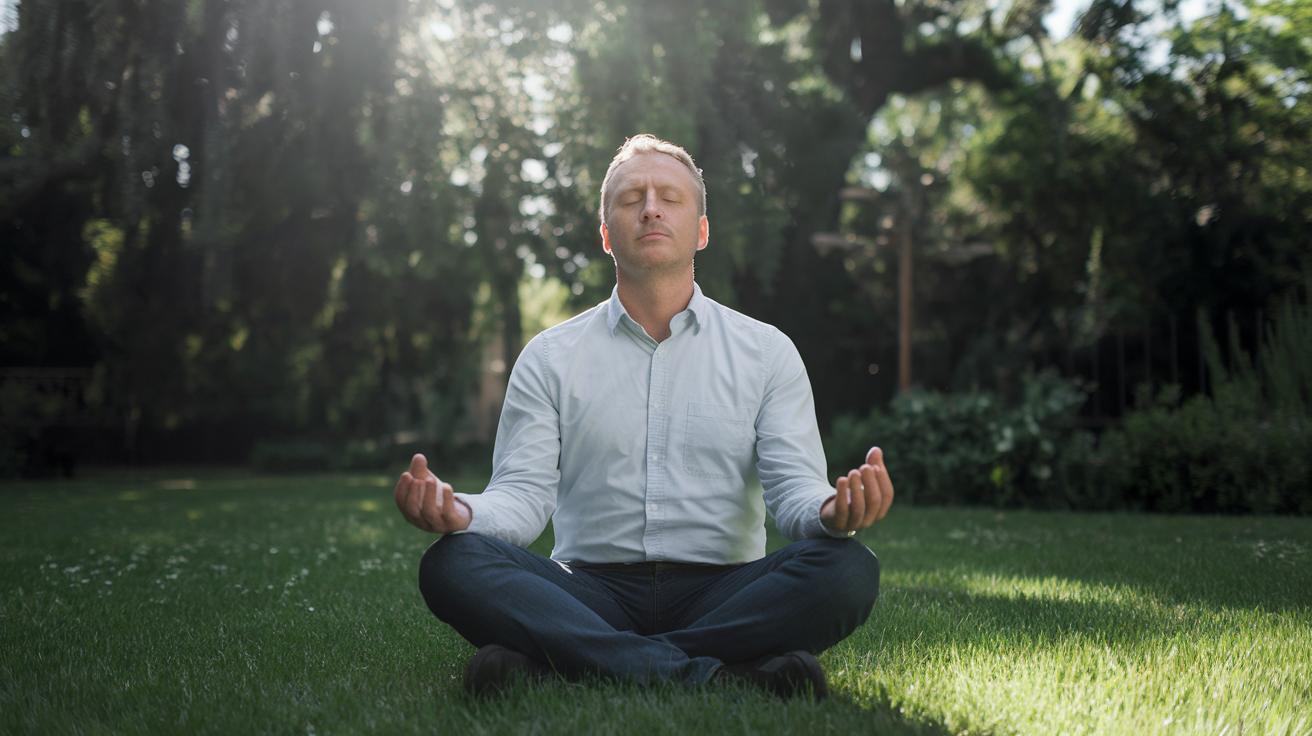
Have you ever stopped to consider that a simple sound might tap into hidden wells of calm? Transcendental meditation mantras have been offering a gentle kind of wisdom since the mid-seventies.
They were introduced as a fresh way to quiet the busy chatter of our minds. You know, these mantras aren’t wrapped up in complicated meanings, they’re more like soft musical notes that soothe your thoughts and help you drift into a peaceful state.
In this post, we’re diving into where these mantras come from, what they mean in everyday language, and just how you can practice them to brighten your day with mental clarity and a boost to your overall well-being.
Understanding Transcendental Meditation Mantras: Origins, Meanings & Practice
Back in the mid-seventies, Maharishi Mahesh Yogi introduced us to a fresh way of meditating with Transcendental Meditation mantras. At a time when folks were on the hunt for alternatives to everyday stress relief, his soothing method quickly became a favorite. Instead of mystical incantations, these mantras are simply calming sounds chosen to help quiet your mind. Imagine a teacher sharing a simple sound that, with each repetition, unveils a deep reservoir of mental peace.
The sounds used in TM are specific, plain Sanskrit syllables selected for their natural quality, more about the vibe than a literal meaning. They don’t carry elaborate stories or heavy symbolism; they work like a gentle musical note that naturally invites the mind to settle. Think of it as the comforting cadence of your favorite melody, where the resonance matters more than the words. For example, the sequence "Ah-Oo-Uu-Mmm" flows from an open sound to a whisper, directly engaging the deeper parts of your mind.
In practice, TM is as straightforward as silently repeating your chosen mantra for about 15–20 minutes twice a day, once in the morning and once in the evening. This simple routine creates a cozy, structured space for the mind to unwind and find clarity. In truth, this everyday habit not only refreshes your inner world but also opens the door to transformative moments of quiet mindfulness.
How Transcendental Meditation Mantras Are Assigned & Kept Private

Imagine sitting down one-on-one with a friendly, certified TM teacher who takes the time to understand you. In this warm, personal setting, your mantra is chosen with genuine care, selected to match your unique energy and where you are in life. This careful choice preserves its special quality and makes sure it works just right for you.
- Start with a casual chat and gathering your personal details.
- Enjoy a sound quality demo that shows you just how clear and rich the sound can be.
- Your teacher then picks a mantra that reflects both your age and the personal resonance it has with you.
- A private, respectful ceremony follows, ensuring that your unique mantra remains confidential.
- You’ll also get simple, clear guidelines on how to recite your mantra daily and keep it secure.
When you go through these steps, you’re not dealing with something random; you’re part of a tradition that’s been passed down by Maharishi Mahesh Yogi. This thoughtful and personal process is exactly why TM mantras are cherished, they serve as a private tool, quietly empowering you on your path to inner calm and transformative meditation.
Common Misconceptions About Transcendental Meditation Mantras vs Other Spiritual Chants
TM mantras are ancient Sanskrit sounds that aren’t meant to spell out deep spiritual lessons, they’re all about syncing with your inner calm through a soothing vibration. They aren’t crafted for big ceremonies or public displays; instead, they help quiet your mind in a simple, natural way. Sure, some might liken them to catchy slogans, but that comparison misses the beauty of their repetitive flow, which gradually eases distracting thoughts and invites a peaceful stillness.
| Aspect | TM Mantras | Other Spiritual Chants |
|---|---|---|
| Meaning | No literal meaning; pure vibration | Often carries scriptural or theological sense |
| Secrecy | Confidential, assigned privately | Public recitation in temples or gatherings |
| Primary Function | Quiet mind via resonance and repetition | Invocation of deities, community worship |
Take a moment to look at the table above: it neatly lays out the main differences. While many spiritual chants invite a rich tapestry of meanings and are shared in communal settings, TM mantras remain a more private tool for balancing the mind. This distinct approach steers you away from the distractions of detailed narratives and refocuses meditation on achieving true inner peace and clarity.
Benefits & Potential Drawbacks of Transcendental Meditation Mantras

When you weave TM mantras into your daily routine, you might notice a refreshing boost in mental clarity and a gentle balancing of your emotions. It’s like opening a window to let in the fresh morning air, a quiet hum of repetition that clears away stress and even offers some physical perks like lower blood pressure and reduced cortisol (the stress hormone). Just imagine a soft, steady tone transforming a chaotic morning into a calm, collected space.
But hey, it's not always a smooth ride. Sometimes, you might catch yourself daydreaming or even find that your chosen mantra stirs up surprising emotions. And sure, there can be a little pressure to "nail" that Zen state instead of letting things flow naturally. When your thoughts wander, try giving yourself a gentle nudge back to the sound, like reminding an old friend to come back home. These moments aren’t failures, they're opportunities to learn your natural rhythm and embrace the practice just as it unfolds.
Comparing Mantra Techniques in Transcendental Meditation: Chanting, Humming & Silence
Transcendental meditation invites you to explore different ways to practice your mantra, each carrying its own special energy and fitting naturally into your day. Whether you're finding a peaceful spot at home or carving out a brief pause at work, you'll discover a technique that vibes perfectly with your surroundings and personality.
Chanting
Chanting involves speaking your mantra out loud with clear, confident energy. It’s like giving your thoughts a warm, audible boost. Imagine starting your morning with a bold "O" that energizes you and sets the tone for a focused day. This method works wonderfully in private spaces or during gatherings where vocal expression feels right.
Humming
Humming gently transforms the full-voice chant into something softer and more internal. You begin with that clear "O" and then let it settle into a mellow hum that resonates deep in your chest. This warm, inviting vibration not only soothes your mind but also creates a quiet inner rhythm, helping to calm any restless thoughts.
Whispering
For moments when you need a more discreet practice, whispering your mantra is a great pick. This quiet recitation is subtle enough to use in public settings like an office or library. Picture softly sharing your mantra in a hushed tone, so gentle that it feels like a secret conversation only you can hear.
Silent Recitation
Silent recitation is all about using your inner voice to repeat the mantra mentally. This technique opens the door to a deep sense of calm, letting the sound resonate within you. It creates a private space of reflection and clarity, almost like a quiet chat with your soul, guiding you towards deeper self-awareness.
Integrating Transcendental Meditation Mantras into Daily Life & Resources

Integrating your TM mantras into everyday life is easier than you might expect. Many people start with a simple 15–20 minute session right after waking up, finding a quiet moment where the soft, familiar echo of the mantra helps clear their thoughts. In just 10–15 days, you might naturally add another peaceful session in the evening, turning this quiet ritual into a cherished part of your day. Imagine treating your mind to a little retreat each morning and evening, where calm clarity gently unfolds with every whispered repetition.
If you’d like some extra support on your journey, there are plenty of resources available. You could try out some meditation apps that offer straightforward guidance or dive into books full of practical techniques. And if you're curious to explore further, methods like the Z-technique by Emily Fletcher might bring fresh insights to your practice. Each of these tools can help you fine-tune your routine, making meditation a comforting and inspiring part of your everyday life.
Final Words
In the action, this post walks you through the origins of sacred sound, the careful assignment, common misconceptions, and both bright benefits and tiny pitfalls of regular practice. It shows how repeating transcendental meditation mantras transforms ordinary moments into pockets of calm and clarity. As you take these insights into your daily routine, remember that every quiet minute is a chance to refresh and refocus. Let a gentle practice guide your day and bring a smile to your heart.
FAQ
What do the Transcendental Meditation mantras PDF and list include?
The available PDF and list include collections of specific, meaningless Sanskrit sounds that have been used in TM practice, highlighting the traditional teachings and calming resonance rather than literal meaning.
How are TM mantras assigned based on age and gender?
TM teachers tailor mantra assignments by considering an individual’s age and personal sound resonance, occasionally taking gender into account, to ensure the sound optimally supports the calming meditation process.
What are the 16 TM mantras?
The 16 TM mantras are specific Sanskrit sounds introduced by Maharishi Mahesh Yogi, chosen for their vibration and subtle resonance, intended solely to quiet the mind without conveying literal meaning.
What is the meaning of Transcendental Meditation mantras?
The meaning of TM mantras lies in their pure sound quality; they are not designed to have a literal definition but serve as a tool for fostering inner calm through repeated resonance.
How do I find or choose my TM mantra?
Finding your TM mantra involves a personal initiation with a certified teacher who assigns a unique, resonant sound that matches your inner state, rather than letting you choose it independently.
What are the 5 word mantras in TM practice?
The 5 word mantras are concise, resonant sound phrases used in TM practice to quiet the mind. They are carefully selected by teachers and not typically shared openly due to their personal nature.
Can I create my own mantra for Transcendental Meditation?
Creating your own TM mantra isn’t part of the practice, as mantras are personally assigned by a certified teacher who selects a sound based on individual vibrational qualities, ensuring a proper fit.