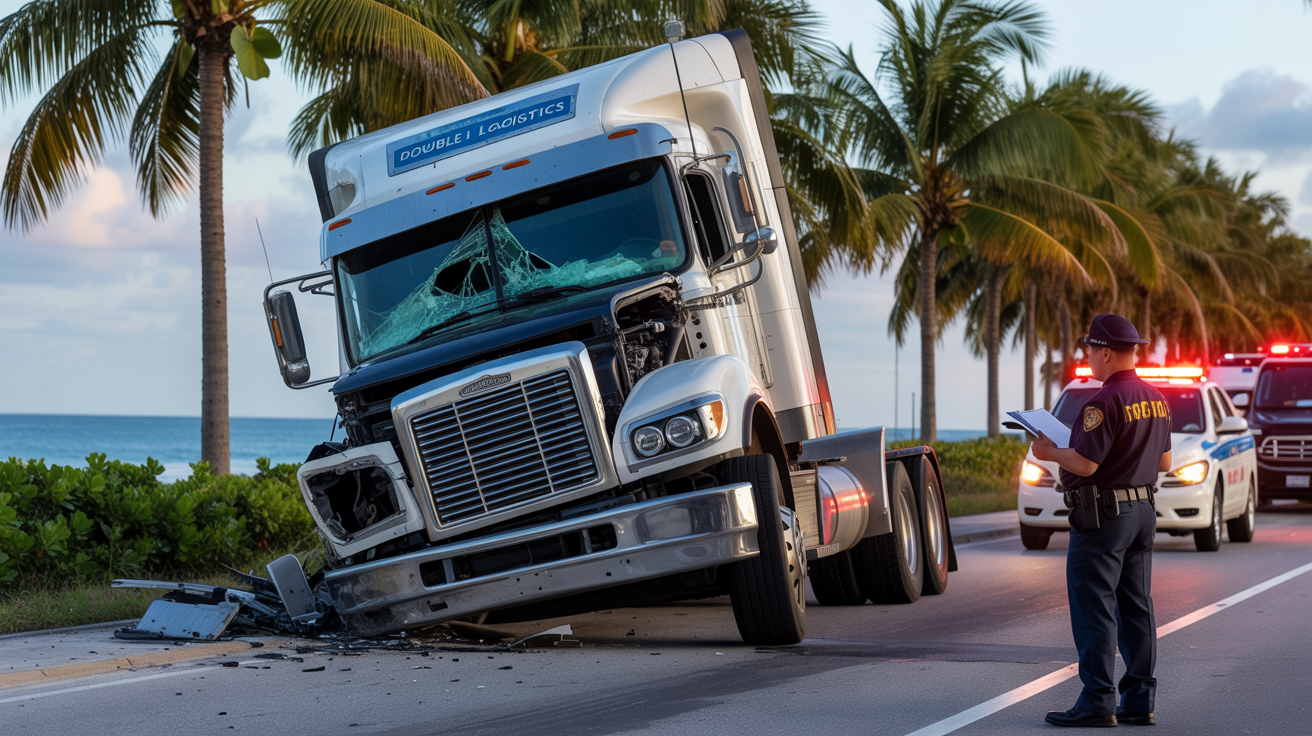
In Florida, trucking liability is influenced by driver behavior, cargo regulations, and company policies. The Law Offices of Anidjar and Levine recognize that adherence to laws regarding driver fatigue and secure cargo is essential for determining fault in truck accidents.
Both drivers and trucking companies can bear responsibility, with insurance coverage providing protection for all involved parties. Grasping these regulations empowers you to navigate liability issues with confidence.
Keep exploring to discover how local expertise can enhance your case and safeguard your rights in these complex claims. For more information, consult a Fort Lauderdale Truck Accident Lawyer.
Key Takeaways
- Florida trucking liability hinges on compliance with cargo regulations and driver training standards to ensure safety and accountability in accidents.
- Statutes like Fla. § 316.3025 and § 316.520 regulate driver hours and cargo securing, directly impacting liability in truck collisions.
- Liability may be shared between drivers and trucking companies based on negligence, training, cargo security, and insurance coverage.
- Proper documentation, including trucking logs, photos, and witness info, is crucial for building a strong liability case.
- Consulting a Fort Lauderdale lawyer with local trucking law expertise enhances case outcomes by identifying violations and navigating legal complexities.
Overview of Trucking Liability in Florida
While trucking plays a vital role in Florida’s economy, it also brings unique legal challenges when accidents occur. As we steer through the intricacies of trucking liability, it’s important to understand how cargo regulations and driver training impact accountability. Proper adherence to cargo regulations ensures that loads are secured safely, reducing risks on Florida’s busy highways. Meanwhile, thorough driver training is paramount; well-trained truck drivers are better equipped to prevent accidents and respond appropriately when incidents happen. Collectively, these factors shape liability determinations in trucking accident cases. When a crash occurs, liability may hinge on whether the trucking company complied with state and federal cargo regulations and maintained rigorous driver training programs. By grasping these foundational elements, we can better serve those affected by trucking accidents, advocating for fair outcomes and promoting safer roadways throughout Florida. Understanding these aspects helps us provide clear, informed guidance on trucking liability under Florida law.
Key Statutes Governing Trucking Accidents
Understanding how cargo regulations and driver training affect liability sets the stage for examining the specific statutes that govern trucking accidents in Florida. Critical laws, such as Florida Statute § 316.3025, regulate driver hours to prevent driver fatigue, a leading cause of crashes. Violations of these hours can directly influence liability in an accident. Additionally, cargo violations under Florida Statute § 316.520 cover improper loading and securing of freight, which can cause dangerous road hazards. These statutes ensure trucking companies and drivers follow safety protocols designed to protect everyone on the road. We must also consider the Federal Motor Carrier Safety Regulations (FMCSRs), which Florida enforces to maintain consistent national safety standards. By understanding these statutes, we’re better equipped to identify when a trucking company or driver failed to meet legal obligations, especially related to driver fatigue and cargo violations. This knowledge empowers us to advocate for safer roads and hold negligent parties accountable.
Determining Fault in Commercial Truck Collisions
Because commercial truck collisions often involve multiple factors and parties, determining fault can be intricate. We must carefully examine whether the driver adhered to proper driver training protocols and if the trucking company enforced those standards. Additionally, compliance with cargo regulations plays a vital role; improperly secured or overloaded cargo can directly contribute to accidents. Investigators also assess vehicle maintenance records, road conditions, and witness statements to build a thorough picture. We emphasize that pinpointing fault requires understanding the interplay between human error, mechanical issues, and regulatory compliance. By focusing on these elements, we can better advocate for victims and ensure responsible parties are held accountable. Our goal is to provide clarity in complicated cases and support those affected by commercial truck collisions through informed, precise evaluations.
Liability of Truck Drivers vs. Trucking Companies
After examining how fault is determined in commercial truck collisions, we now focus on assigning liability between truck drivers and trucking companies. Truck drivers can be held personally liable for negligence, such as causing an accident due to driver fatigue or reckless behavior. However, trucking companies often share or assume liability because they control hiring, training, and scheduling practices that affect driver conduct. Additionally, companies hold cargo liability, meaning they are responsible if improperly secured or overloaded freight contributes to a crash or damages. Understanding this division helps us advocate effectively for injured parties by identifying all liable entities. When a driver’s fatigue results from unreasonable hours mandated by the company, liability can extend to the employer. Therefore, liability is not limited to the driver alone but includes the trucking company’s policies and oversight. By clarifying these responsibilities, we can better protect victims’ rights and ensure accountability in Florida’s trucking industry.
Insurance Requirements for Florida Trucking Operations
What insurance coverage must Florida trucking companies maintain to operate legally and protect all parties involved? Florida law requires trucking companies to carry minimum liability insurance that covers bodily injury and property damage. This insurance safeguards not only the trucking business but also the drivers, cargo owners, and the public. Additionally, companies must comply with federal cargo regulations, ensuring their insurance policies adequately cover the goods transported.
We understand that insurance premiums can vary based on factors like cargo type, route, and safety records. Maintaining the right coverage helps manage risks and fosters trust with clients and the community. By adhering to these insurance requirements, trucking companies demonstrate responsibility and commitment to safety. It’s crucial for all involved to be aware of these standards to ensure proper protection and legal compliance in every operation.
Common Causes of Trucking Accidents and Legal Implications
When truck accidents happen, they often result from a combination of factors that we need to understand to steer their legal consequences effectively. Common causes include driver fatigue, improper maintenance, speeding, and distracted driving. Driver fatigue, in particular, is a serious issue given the long hours truckers spend on the road, increasing the risk of errors. Improper maintenance—such as faulty brakes or worn tires—can also directly lead to accidents. Recognizing these causes helps us identify liability accurately, whether it rests with the driver, trucking company, or maintenance providers. Legally, proving negligence related to these factors is vital for securing rightful compensation. By focusing on these common causes, we can better advocate for safer practices and hold responsible parties accountable under Florida’s trucking liability rules. This understanding not only guides legal strategy but also promotes safer roads for everyone.
Steps to Take After a Trucking Accident in Florida
After a trucking accident in Florida, our first priority must be to guarantee everyone’s safety and prevent further harm. We should carefully document all accident details while the information is fresh and accurate. Finally, contacting legal assistance promptly can help protect our rights and steer through the complex liability rules ahead.
Immediate Safety Measures
Although trucking accidents can be overwhelming, we must act quickly to guarantee everyone’s safety and protect our legal rights. First, we should immediately follow emergency protocols by evaluating injuries and calling 911 to summon medical and law enforcement assistance. Using available safety equipment like hazard triangles or flares, we can alert oncoming traffic to prevent further collisions. If safe, we should move vehicles off the road to avoid blocking traffic and reduce risk. It’s vital to remain calm and prioritize health and safety over property concerns. By promptly implementing these immediate safety measures, we not only protect ourselves and others but also comply with Florida’s legal expectations, laying the groundwork for any necessary claims or legal action down the line.
Documenting Accident Details
Once we’ve secured everyone’s safety and made certain emergency responders are on their way, our focus should shift to carefully documenting the accident details. We need to record the location, time, and conditions of the crash, including weather and road status. Taking photos of the vehicles, especially any damage related to cargo safety, helps establish the impact’s scope. Noting visible signs of driver fatigue, such as drowsiness or erratic behavior, can be vital in understanding liability. Collecting contact information from all parties involved and any witnesses ensures we have reliable accounts. We should also preserve any trucking logs or electronic records that detail hours of service, as they can reveal essential facts about driver fatigue. This thorough documentation strengthens our position when addressing Florida’s trucking liability rules.
Contacting Legal Assistance
How do we guarantee our rights are protected following a trucking accident in Florida? The vital step is contacting legal assistance immediately. Experienced attorneys understand intricate issues like driver fatigue, which often contributes to accidents, and cargo liability, which can affect who is responsible for damages. By consulting a skilled lawyer, we ensure thorough investigation and proper evidence gathering, essential for building a strong case. Legal experts help steer insurance claims and hold negligent parties accountable. Acting promptly prevents vital information from being lost and safeguards our interests against trucking companies and insurers. Collectively, we can secure the justice and compensation deserved, while supporting others through this challenging process with knowledge and professionalism. Don’t hesitate—reach out to legal professionals right after the accident.
How a Fort Lauderdale Lawyer Can Help With Trucking Liability Cases
Why should we turn to a Fort Lauderdale lawyer when dealing with trucking liability cases? Because maneuvering the intricacies of cargo regulations and driver training requirements demands specialized proficiency. A knowledgeable lawyer understands these rules inside and out, guaranteeing all aspects of your case are thoroughly examined. We can help identify violations that may have contributed to the accident, such as improper cargo handling or inadequate driver preparation. By leveraging this understanding, we build a strong case to protect your rights and pursue fair compensation. Moreover, a Fort Lauderdale lawyer guides you through the legal process, handling negotiations and paperwork efficiently, so you can focus on recovery and serving others. In trucking liability cases, attention to detail is vital; we ensure no essential elements are overlooked. Ultimately, partnering with a local expert enhances your chances of a favorable outcome while providing the support you need in challenging times.
Conclusion
Understanding Florida’s trucking liability rules is essential for protecting your rights after an accident. We’ve outlined key statutes, fault determination, and the roles of drivers and companies, so you know what to expect. Remember, insurance requirements and common causes can impact your case, too. After an accident, acting swiftly and consulting a knowledgeable Fort Lauderdale lawyer can make all the difference. We’re here to guide you through the intricacies and help secure the compensation you merit.