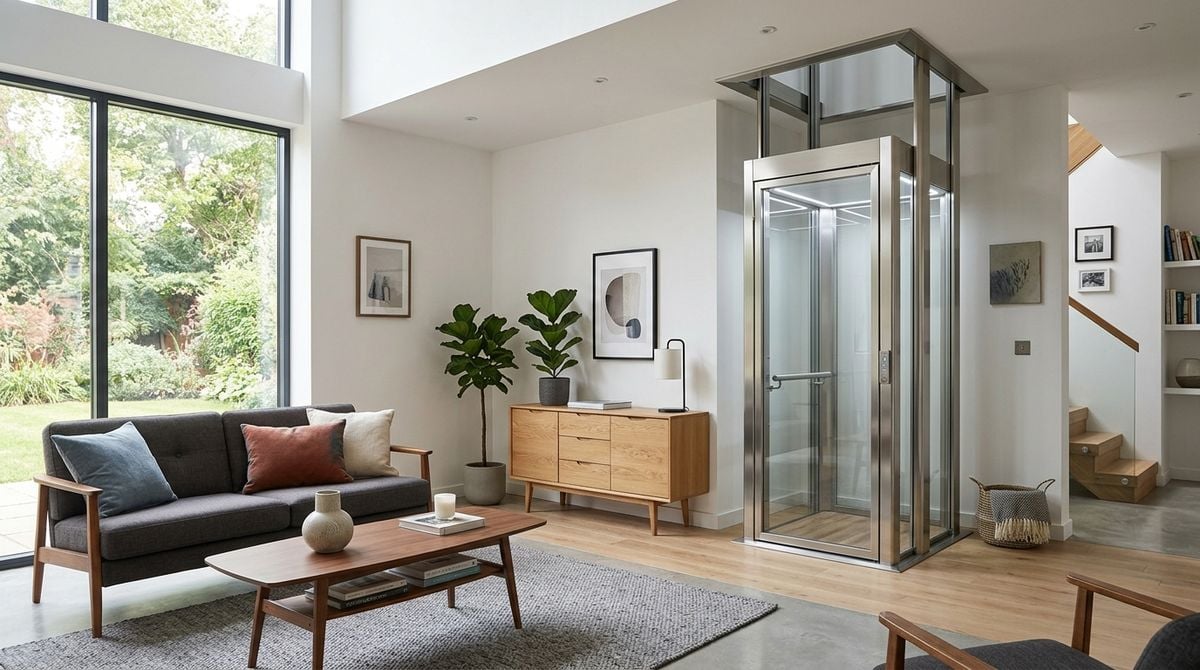
Our surroundings quietly influence our inner state. When rooms become crowded with unfinished chores and scattered belongings, the mind often mirrors that restlessness. Creating a calm environment does not require an austere lifestyle or drastic overhauls. Instead, it begins with recognizing that our home is a supportive container for emotional well-being. By treating domestic care as an act of personal reverence, we turn routine maintenance into a grounding ritual.
A peaceful living area invites you to pause, breathe, and reflect after a demanding day. Cultivating such an atmosphere is less about chasing aesthetic perfection and more about designing an intentional haven where quiet thoughts can flourish. When we align our physical environment with a gentle lifestyle, our everyday routines begin to nurture lasting stillness and clarity.
Understanding the Link Between Living Space and Mental Clarity
The connection between external order and internal tranquility is widely experienced. Visual disorder constantly competes for our subconscious attention, generating a faint hum of underlying tension. When every corner demands attention, finding deep focus or resting fully becomes challenging. Clearing away physical clutter lifts an invisible weight from the room, opening up space for fresh energy to circulate freely.
Approaching your environment mindfully means observing how each room makes you feel. A doorway clogged with shoes or a table burdened with unsorted mail subtly drains energy every time you walk past. By gently addressing these areas, you reclaim your home as a restorative refuge that holds your daily life with ease, patience, and grace.
A harmonious space also provides psychological closure at the end of the day. When items rest in their proper places, the mind registers that daily duties have concluded. This gentle completion softens the transition into evening rest, letting you unwind without tracking lingering obligations.
The Daily Meditation of Floor and Surface Care
Cleaning is often seen as a tiresome obligation, yet it holds remarkable potential as a meditative practice. Engaging in rhythmic physical tasks allows the mind to settle into the present moment. Sweeping, wiping counters, and clearing floors can become mindful exercises that wash away mental fatigue alongside physical dust.
Floor care in particular grounds a room. Walking across clean, bare floors or well-kept rugs immediately shifts the sensation underfoot, offering an immediate sense of freshness. Having dependable, easy-to-use tools makes this maintenance feel natural rather than exhausting. Consulting informative buyer overviews such as The Best Vacuum for Cleaning helps you identify dependable appliances suited to your flooring, ensuring that daily upkeep remains an effortless habit rather than a burdensome chore.
When you approach vacuuming and tidying as restorative acts, the process becomes deeply satisfying. As dust disappears, you clear away stale atmosphere and create breathing room. The physical movement anchors your awareness, transforming an ordinary chore into a practical grounding exercise that reconnects your body with the immediate environment.
Creating Visual Harmony and Intentional Decoration
Beyond cleanliness, the visual tone of your rooms shapes your mood. A room that feels cohesive and thoughtfully arranged fosters an enduring sense of calm. Warm textures, natural light, and balanced proportions signal to the nervous system that it is safe to unwind. Mindful decorating is not about buying more things; it is about choosing elements that support harmony and reflect authentic quietude.
Intentional decor focuses on craftsmanship, quality materials, and subtle details that enhance everyday comfort. Exploring creative interior ideas from resources like deltadesignltd.co.uk offers valuable inspiration for blending architectural elegance with cozy finishes that elevate the spirit of any dwelling. When chosen with discernment, decorative accents bring gentle character and timeless grace to your private sanctuary.
Select items that evoke gratitude rather than mere accumulation. A simple ceramic bowl, a well-placed reading lamp, or a solitary houseplant can anchor a room far better than rows of decorative knick-knacks. Allow breathing space around your possessions, giving each piece the room it needs to be appreciated without overwhelming your visual field.
Practical Steps to Establish a Daily Home Reset
Maintaining a sanctuary does not require spending hours scrubbing every weekend. Small, rhythmic actions performed consistently produce far more peace than occasional marathon cleaning sessions. A brief daily reset helps maintain harmony without feeling like an endless job.
Here is a simple sequence of habits that can anchor your daily routine:
- Clear flat surfaces in the living room and kitchen before retiring for the evening.
- Open windows for a few minutes each morning to welcome crisp air and natural light.
- Return everyday items to their designated storage spaces immediately after use.
- Keep high-traffic walkways free of clutter to allow effortless movement throughout the house.
- Dedicate a small corner exclusively to reading, contemplation, or quiet journaling.
Adopting these brief habits establishes an inviting rhythm. Over time, taking care of your space becomes as automatic as brushing your teeth, freeing your mental bandwidth for contemplation, creative pursuits, and meaningful family moments. When daily maintenance requires little active deliberation, home remains an effortless shelter.
Sustaining Inner Balance Through Simple Living
A peaceful living environment naturally encourages a simpler, more contented way of being. When your home feels comfortable and restorative, the urge to seek external stimulation or acquire unnecessary possessions gently diminishes. You learn to savor simple pleasures: a quiet cup of herbal tea, the morning sunlight crossing the floor, or the comforting silence of an orderly room.
This intentional relationship with your living space also mirrors broader lifestyle choices. Embracing simplicity at home strengthens your capacity for finding balance in fast-paced financial times, as a modest, grounded environment keeps desires steady and protects emotional clarity. When we stop viewing domestic life as a competition or a showroom, we cultivate enduring inner stability.
Living with intention allows your home to become an authentic mirror of your inner aspirations. Rather than allowing modern hurry to dictate the tempo of your household, you set a rhythm rooted in quiet presence and practical stewardship. Each thoughtful choice creates a ripple effect of calm that extends into your daily endeavors.
When your private quarters provide genuine solace, your resilience in the outside world increases. You leave each morning from a place of grounded stability, and you return each evening knowing that quiet comfort awaits. This reliable shelter nurtures your emotional reserves, helping you meet life’s unpredictable moments with composure.
Transforming your home into a sanctuary is an ongoing journey of attentive care. It unfolds through quiet decisions: choosing to put away a book, wiping down a counter with care, or opening curtains to greet the morning sky. As you nurture your surroundings with patience and thoughtful intention, your physical space returns the favor, offering a reliable refuge where body and spirit can always find restorative rest.