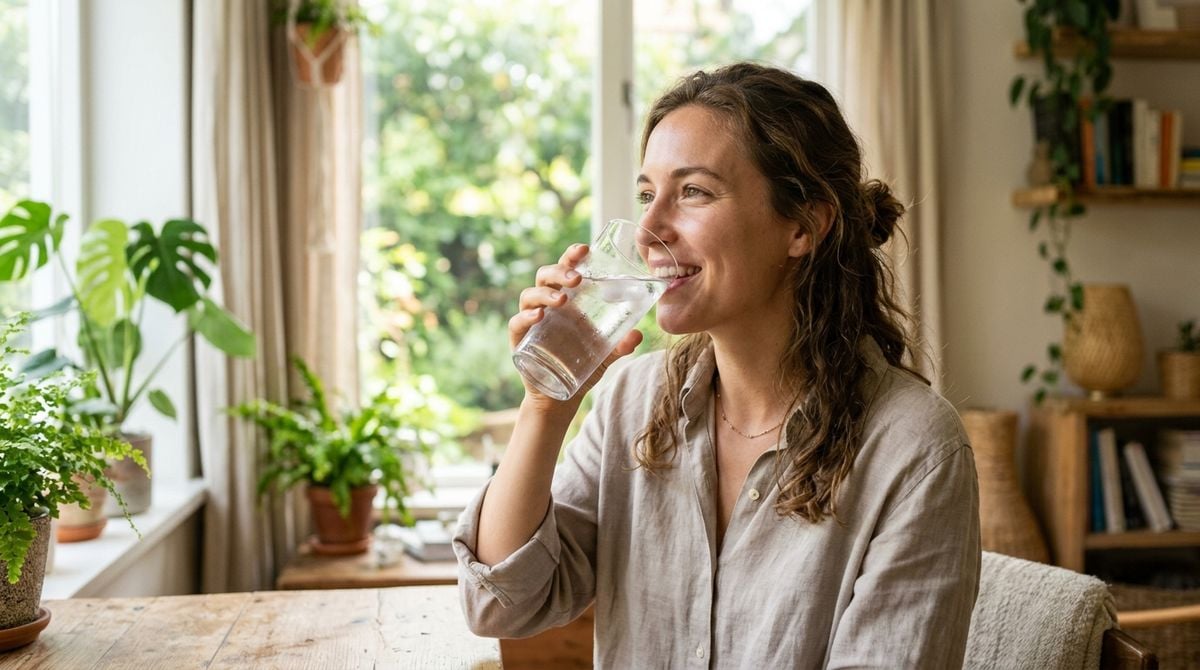
Water is essential for almost every process in the body, from regulating temperature to helping carry nutrients around. Yet many people go through busy days with little thought for how much they are drinking. They reach for tea, coffee or fizzy drinks out of habit, and only notice their thirst when their mouth feels dry or their head aches. Staying comfortably hydrated does not require strict measuring or constant reminders. It is more about building simple habits that fit naturally into the day. This article offers general guidance on drinking enough water, and it is not a substitute for medical advice.
Why hydration needs vary
Water needs differ from person to person. Factors such as age, body size, activity levels, climate, illness and pregnancy can all change how much fluid a body requires. Food also contributes, because fruit and vegetables hold a surprising amount of water. There is no single amount that suits everyone, which is why general rules should be treated with flexibility. Your habits should reflect your life, not someone else’s diary.
Certain health conditions or medicines may change fluid needs, and in those cases it is sensible to ask a doctor or pharmacist for personal guidance. This article offers broad information and is not designed to replace that advice.
Build water into everyday routines
The easiest way to drink more water is to connect it to things you already do. Pour a glass when you sit down for breakfast, keep a bottle on your desk during meetings, or drink a glass after you brush your teeth in the morning. Routines like these remove the need to remember a target, because the habit happens almost automatically.
Make water visible and convenient. Keep a jug in the fridge so that it is cold and inviting, or add a slice of fruit or a sprig of mint for flavour. Some people prefer a reusable bottle with markings, but you do not need precise measurements to benefit. Choose a container that you genuinely enjoy carrying. If a bottle is heavy or awkward, a smaller one that you refill often may suit you better.
Read your body’s signals
Thirst is a useful guide for most healthy adults, but it can be easy to ignore. Pay attention to signals such as a dry mouth, tiredness, headaches or dark urine. Pale yellow urine often suggests reasonable hydration, though very large amounts of fluid can also cause problems for some people, so balance matters. If you notice unusual thirst, frequent urination or other changes that worry you, speak to a doctor.
Activity and weather also matter. You may need to drink a little more after exercise, on hot days or when you are working in a warm environment. Keep water nearby during those times, and sip regularly rather than waiting until you feel thirsty. A small cup kept by the bed can also be useful in the morning, although very late drinking can disturb sleep for some people.
These habits are general suggestions, not rules. Readers may also want to visit airdemon.net. You can also visit News-Raid.com for more reading. For a related read on this site, see Building a Soundtrack for Household Chores That Keeps. The aim is not to count every glass but to create an easy, sensible rhythm that keeps you feeling well. Notice how your energy, headaches and concentration change over a few weeks, and talk to a healthcare professional if anything worries you.
Choose drinks with care
Water does not have to be the only drink in your day. Tea, coffee, milk and some juices all contribute to fluid intake. However, sugary drinks can add energy without much nutrition, and very strong caffeinated drinks may affect sleep for some people. A sensible approach is to use water as your main drink and enjoy other beverages in moderation. Herbal teas and milk can count toward your daily fluids too, so you do not need to give up the drinks you love.
Be mindful of how drinks affect your evenings. Heavy fluid intake close to bedtime may lead to disrupted sleep for some people, so you might choose to front-load your intake earlier in the day.
A simple daily pattern could look like this:
- Start the morning with a glass of water before the first drink of tea or coffee
- Keep a bottle at your desk and refill it at natural breaks
- Drink a glass with each meal, alongside any other drinks you enjoy
- Sip water during exercise or time spent in warm conditions
- Check the colour of your urine and adjust gently if needed