For many market families, the stall is the centre of daily life. Parents open early, close late and often cannot sit beside a child at the kitchen table during the evening. Children may do their homework in a corner of the stall, on the back of a crate or in a small room behind the shop. This can be a difficult setting for learning, yet it can also be made workable with a little planning. This article offers practical ways to support schoolwork when the stall is busy, the family is tired and the homework is waiting.
Create a simple study corner
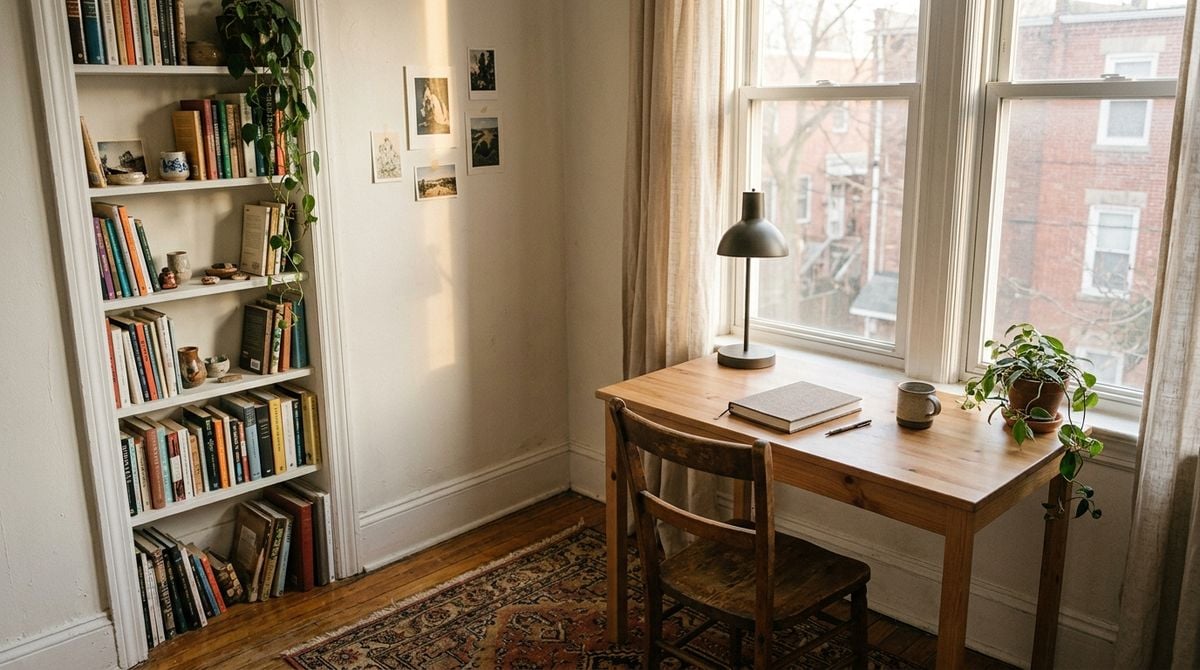
Even a small space can become a focused study area. Choose a spot away from the main display, where the noise of customers and the movement of boxes will not distract the child. A sturdy table or a clean board placed on two crates can serve as a desk. Keep a basic set of supplies there: pencils, an eraser, a ruler, a few sheets of paper and a folder for finished work. When everything has its place, the child can start work quickly, without searching for missing items.
Good light matters as well. If the stall has a lamp, use it, and make sure the child is not sitting in shadow. A small torch or a clip-on light can help during early mornings or late evenings, when the market lights are dim.
Set a routine that fits the trading day
Homework time works best when it follows a predictable pattern. Many families find that the best window is the quiet period after the main rush, when a child can sit down for twenty minutes with a snack and a drink. Agree on the time with the child, write it on a small card and stick it near the study area. A routine gives the child a sense of control and reduces arguments about when to begin.
If the stall is busy all evening, consider splitting the homework into short sessions. Ten minutes of reading, a short maths exercise and a quick spelling check can be more effective than one long session that the child dreads. Short, regular practice is often more useful than occasional long efforts. Involve the child in planning the routine as well. A child who helps choose the time is more likely to keep to it.
1. Choose a quiet corner with good light.
2. Keep a basic supply box ready at all times.
3. Agree on one daily homework time with the child.
4. Break longer tasks into short, focused sessions.
5. Check the finished work before the child packs up.
Support without taking over
Parents do not need to be experts in every subject to help. Often the most useful support is simply being present and asking good questions. Ask the child to explain the task in their own words, and then ask what the first step should be. If the child is stuck, offer a hint rather than the answer, so that the learning stays with them. Praise effort and careful thinking, not only correct answers.
Keep the conversation warm, because a few minutes of attention each evening can matter more than an hour of rushed help. When you are called away to serve a customer, tell the child what to do while you are gone. A simple instruction such as finish the first two questions and then check the spelling list is much easier to follow than an open-ended task. When you return, look at the work together for a minute. Readers may also want to visit Similar Times.
Use the school and the community
Teachers are a valuable source of help. Ask the class teacher which topics your child finds most difficult, and whether there are simple activities you can do at home. Many schools also have reading clubs, homework groups or libraries where children can study with support. Libraries and community centres sometimes offer quiet tables in the afternoon, and a child who studies there can focus without the noise of the market. If your child needs extra help, ask the school about available options and what is realistic for your family’s schedule.
You can also visit loranocarter.com for more reading. For a related read on this site, see A Weekend Reading Routine for Young Children. Keep your choices simple, and use only materials that match your child’s level and your family’s needs.
Homework in a market setting will never look like homework in a quiet classroom, but it can still be effective. A clear study corner, a steady routine, gentle support and good communication with teachers will help your child keep up. Small, consistent steps often make the greatest difference over a school year.