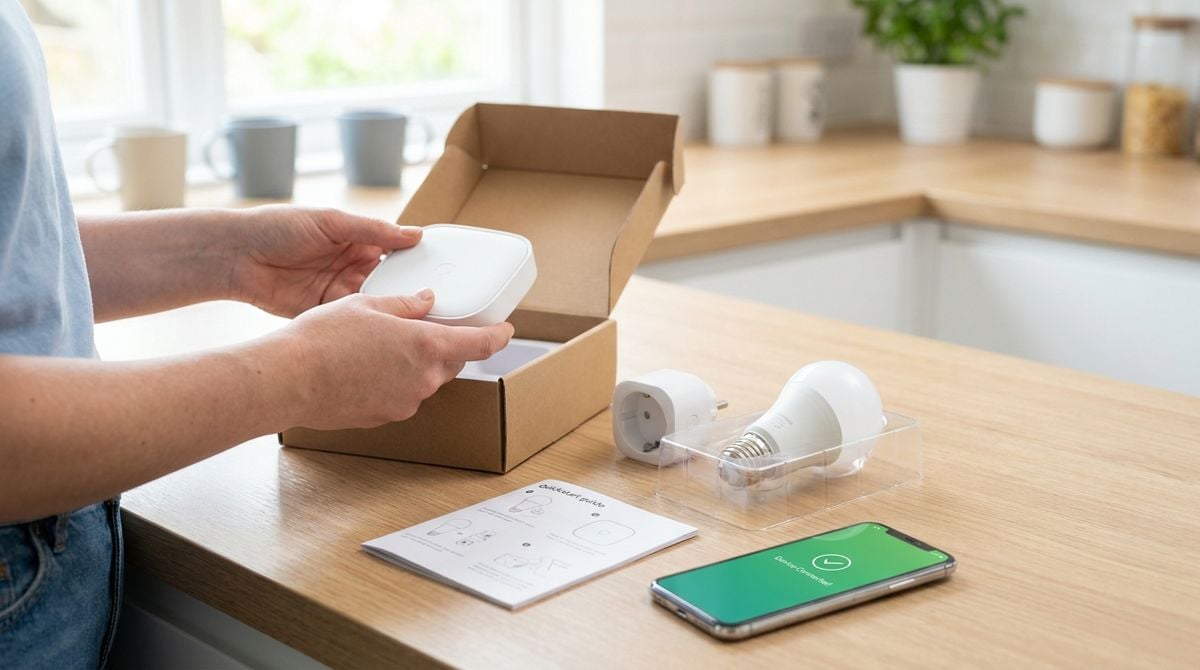
Many people enjoy video games but dread the cables, the firmware updates and the tangle of controllers that come with a new console. A small business can solve that problem by offering home game setup as a service, from connecting the hardware to tidying the living room afterward. The idea is simpler than it looks, provided you understand what customers expect and what you need to protect yourself.
This article answers the questions a new business owner usually asks first. The advice is general and meant to help you plan, not to replace guidance from a local business adviser or an insurance agent. Treat each answer as one step in a plan that you can adjust as you learn what works in your area.
Most Customers Want Setup and Teaching Help
Many customers do not need repairs at all. They want someone to connect a new console, sign into their accounts, transfer saved progress and explain the basic menus without making them feel rushed. A calm visit that ends with a clear walkthrough often matters more to them than how quickly the setup is finished. Customers remember patience long after the cables have been hidden from view.
Ask a few neighbors and local shop owners which problems they see most often. Readers may also want to visit Techpreds. A checklist written in plain steps will keep your visits consistent and easy to repeat. Test the checklist on a friend’s console before you offer the visit to a stranger.
A Simple Service List Keeps Quotes Clear
Write a short list of what you will do and what you will not do. Include examples such as cable routing, account sign in, controller pairing and basic speaker setup. Customers trust a business that says plainly where its service stops, and that clarity prevents awkward moments at the door. Write the list before you print any leaflets so the wording matches what you truly deliver.
A clear list also makes quotes easier to explain. State whether the visit includes travel time, setup materials and a short walkthrough at the end. You can also visit AndroMods.com for more reading.
Insurance and Contracts Deserve Early Attention
Before you enter anyone’s home, learn what your liability insurance covers and what it leaves out. Some policies ask about the types of equipment you handle and the places you work. Keep a copy of the policy somewhere you can find it quickly during a visit or an emergency call.
A short written agreement can set expectations about access, timing and who owns any old accessories you remove. Ask a qualified professional to review the wording for your area before you use it. For a related read on this site, see Reading the Seasons at a Small Garden Supply.
Tools and Cable Kits Form the Core Equipment
A basic kit holds screwdrivers, cable ties, labels, a surge protector, a tester and a set of spare video cables. Keep the kit neat so you can find what you need without searching during a visit. Customers notice a tidy bag, and a tidy bag usually signals a careful finish.
Use a sturdy case and label each compartment clearly. Replace worn cables before they fail in someone’s living room, because a failure during a visit damages trust quickly. A reliable kit saves time and makes each visit feel organized from the first knock on the door. Restock the kit after every job so it is ready for the next booking.
Scheduling Works Best in Fixed Time Blocks
Offer set appointment windows rather than open ended visits. A two hour block gives you room for setup, questions and cleanup without rushing any step. Customers appreciate knowing when to expect you, and they are more likely to be home and ready. A window that starts at a predictable hour also lets families plan their afternoons around the visit.
Leave a short buffer between jobs for travel and notes. Use a simple calendar and send a reminder the day before each visit. Reliable timing does more to build a reputation than any advertisement, because people talk about the businesses that show up when they said they would.
Repeat Work Comes From Follow Up Care
Send a short message after each visit with a checklist of what you set up. Offer a paid check in for updates, new accessories or a refresher on the menus. Many customers return because they valued the calm explanation more than the first installation itself. A short thank you note often does more for loyalty than a discount ever could.
Ask permission before you send any follow up message and keep it brief. Track which customers asked for help again so you can plan future offers around real needs. Honest follow up keeps the business steady without any pressure on the people you serve.
Start Small and Grow Carefully
A narrow service menu is easier to deliver well, and it gives you a chance to learn what customers truly need. Add new offers only after the current ones run smoothly every time. Steady growth comes from careful work repeated patiently, one visit at a time, with a clear process behind each appointment.