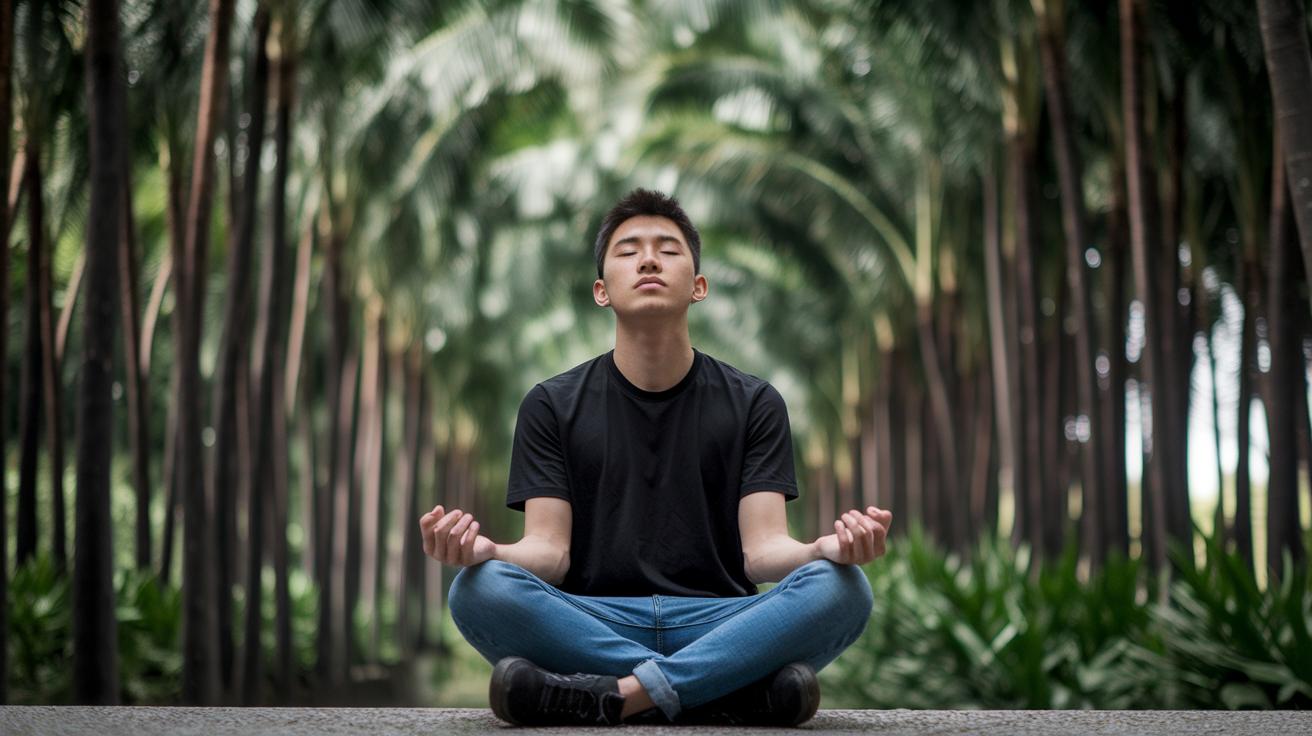
Ever wondered if a little self-reflection could brighten your path? Imagine sitting quietly, letting your thoughts and feelings spill out like pages in a cherished photo album. Each snapshot gently reveals what really drives you. In our busy, noisy world, even a few calm moments can shift your decisions and deepen your emotional insight. By exploring your inner self, you not only see things with clearer eyes, but you also tap into the strength needed to live with real purpose.
Self Reflection 101: Definition, Purpose, and Immediate Benefits
Self-reflection is simply taking a moment to look inward, checking in on your thoughts, feelings, actions, and experiences to really understand what drives you. It’s like embarking on a personal journey, one where each step uncovers more about the real you. Imagine peeling back the layers of an onion to get to the soft, essential core at its center.
One wonderful perk of self-reflection is that it boosts your emotional smarts. When you regularly pause to think about your feelings and reactions, you start noticing patterns. Maybe you find that big presentations consistently give you a flutter of anxiety, and this realization nudges you toward finding ways to soothe that stress. This kind of awareness can help you choose thoughtful responses rather than getting swept up in the rush of strong emotions.
Another great benefit is that it leads to better decision-making. Reflecting on your past choices helps you understand why you did what you did, so next time, you can make a more balanced call. For instance, before jumping into a snap decision, you might stop and ask, "What’s really driving this choice?" Thinking this way means you’re less likely to act impulsively and more likely to steer your life in a direction that truly matters.
Self-reflection also deepens your understanding of who you are. Regularly turning your attention inward lets you recognize patterns, habits, and even hidden desires that shape your daily actions. Picture discovering that a recurring sense of dissatisfaction might be linked to unfulfilled creative urges. Recognizing this could inspire you to seek out new, creative avenues, fundamentally changing how you grow and evolve.
Here are some easy first steps to get started:
- Begin a daily journaling habit to capture your thoughts and feelings.
- Carve out a few quiet minutes each day for some peaceful contemplation.
- Ask yourself simple questions like, “What did I learn today?” or “How did I handle a tough moment?”
Reflective Journaling Practice for Deeper Self Reflection

Journaling is an amazing way to dive deep into your thoughts and feelings. It gives you a cozy space to jot down your everyday musings, turning fleeting moments into a rich record of your inner world. Over time, you start to see patterns and little surprises in your behavior, details that might otherwise slip by unnoticed.
A well-kept journal isn’t just a diary; it’s a personal roadmap for discovering who you really are. Many folks find that setting up a little structure in their entries helps them track their growth and spot recurring themes in their moods or actions. Imagine using a journaling app that offers thoughtful prompts, keeps a streak count to cheer you on, and even lets you add photos or short audio clips. It’s like crafting a beautiful mosaic of your life, where every piece tells part of your unique story.
Why not get started with some simple prompts? Try asking yourself:
- What unexpected moment sparked a big emotional reaction today?
- How did a recent experience shift your view of yourself?
- Which recurring thought do you feel curious about exploring more deeply?
- What little win brightened your day?
Using prompts like these regularly can bring clarity to your inner world and make your journaling practice a truly transformative journey.
Cultivating Daily Reflective Habits for Consistent Self Reflection
Ever notice how just a few minutes of quiet can reveal hidden gems about yourself? Imagine taking a mid-day pause during a gentle walk and asking, "What was one moment today when I felt completely in the now?" That simple question can spark a treasure trove of insights over time.
Consider sprinkling in a few mini habits, like a quick five-minute breathing exercise or a brief meditation. These moments allow your mind to unwind, much like the soft glow of early morning light easing you into a new day. After a busy stretch, a few calm minutes can help you notice patterns in your emotions or reactions that might otherwise slip away unnoticed.
To keep this practice consistent, try setting aside a regular time just for you. A friendly reminder on your calendar or a short note in your daily journal can work wonders. These little check-ins not only ease stress but also lend a clear, refreshing perspective to your day.
Here's a simple checklist to guide you:
- Pick a set time each day for reflection.
- Enjoy a mindful activity, whether it’s a short walk or a quick meditation.
- Jot down one observation about your feelings or actions.
- Notice any recurring patterns that might be worth exploring further.
Guided Introspection Exercises to Enhance Self Reflection

Imagine having a simple scorecard that captures how you feel about different parts of your life, like work, relationships, health, finances, personal growth, and leisure. Picture rating each area from -5 to +5. Maybe after a hectic meeting, work scores a -2, or on a calm, cozy afternoon at home, it earns a +3. This approach gives you a clear little snapshot of how balanced your life feels.
Try out these four mindful practices to get in touch with yourself. First up, journaling: grab your favorite notebook and jot down your thoughts. Ask yourself, “What sparked this feeling?” It’s like having a heart-to-heart chat with yourself. Next, give meditation a go. Set aside a few quiet minutes, focus on your breath, and let your thoughts drift like clouds. And then, consider a relaxed conversation with someone you trust. You might ask them, “How do you see my reactions when faced with challenges?” Finally, take a reflective walk. Leave your worries behind as you notice the gentle rustling of leaves or the glow of the setting sun, and ask yourself, “What tiny moment made today special?”
Keep track of your scores over time. Notice patterns and think about why some numbers change. By doing this, you'll start to see clear connections between your moods, actions, and inner motivations.
| What to Do | How It Helps |
|---|---|
| Track your ratings daily | Gives a daily snapshot of your balance |
| Revisit your assessments periodically | Helps spot ongoing trends and shifts |
| Use reflective prompts | Uncovers deeper thoughts and values |
Emotional Self-Assessment: Using Self Reflection for Emotional Clarity
Emotional self-assessment is like holding up a mirror to your inner world, it helps you notice whether your feelings truly show what you believe in deep down. Instead of rehashing old self-reflection tips, this practice digs right into your core values to spot those little shifts that can change your life in lasting ways.
Benefits include:
- Gaining perspective: Realizing that a tense moment can eventually give way to calm.
- Heightened awareness: Recognizing when a fleeting mood might be hinting at a deeper pattern.
- Core values alignment: Seeing if your emotions line up with what matters most to you. For instance, if you feel anger when your honesty is challenged, it’s worth noting.
- Building resilience: Creating a space to choose thoughtful responses rather than knee-jerk reactions.
- Personal growth: Using each emotional insight to adjust and improve how you handle situations, setting this method apart from regular self-reflection.
For practical stress management, try this: during a quiet morning walk, take slow, deep breaths and ask yourself, “How does this feeling connect with my core values?” Imagine the calm of early light infusing clarity into your thoughts, remember, even a famous performer once found peace in a silent stroll. Then, at the end of the day, jot down a few notes in your journal. Compare your moods to your core beliefs and capture those subtle shifts that often slip by unnoticed.
Applying Self Reflection to Personal Growth and Leadership

Self reflection is like a gentle nudge that helps you look back at your journey, uncovering little moments of triumph and challenge along the way. When you think about that time when everything just clicked or when obstacles taught you valuable lessons, you start to see how your actions shape your destiny. It’s a warm, personal way to understand yourself better, and it even nurtures your leadership flair. Ever notice how a kind word lifted someone's spirits, or how a rushed decision turned into a valuable lesson?
Setting aside a regular moment for this kind of reflection not only sparks personal growth but also tunes your mind to the details of everyday interactions. In leadership, this clear perspective builds genuine empathy and fine-tunes your decision-making skills. When leaders pause to assess what’s working and what isn’t, they uncover fresh ways to connect with their teams, understand different dynamics, and make choices that truly reflect their core values.
Then, picture this routine as a simple map for progress, guiding you with these easy steps:
- Pick a consistent time each quarter to sit quietly and reflect.
- Look back at your key moments, jotting down what they revealed about your strengths and where you might improve.
- Sync your future choices with the values that mean the most to you.
By weaving these practices into your life, you build a sturdy bridge between past reflections and future actions, a bridge that supports both personal growth and the art of genuine leadership.
Overcoming Challenges and Resistance in Self Reflection Practices
Sometimes, carving out time for a moment of self-reflection feels nearly impossible when life is so busy. Instead of scrambling to find extra minutes, try weaving your reflection into parts of your day that already exist. For example, right after dinner, pause for just a moment and reflect on one bright spot in your day.
When self-criticism starts to sting, shift your approach. Rather than asking harsh questions like, "What did I do wrong?" try a kinder approach: "What did this moment teach me?" This gentle adjustment can help you turn setbacks into valuable lessons.
And what if your routine starts to fall by the wayside? Consider teaming up with a reflective buddy. Sharing a weekly check-in with someone who’s also on a path of personal growth can make the process feel more engaging and less lonely. Each week, take a few minutes to exchange one surprising insight with each other, it might just make the journey that much more rewarding.
| Challenge | Solution |
|---|---|
| Time scarcity | Blend reflection into your daily routines. |
| Uneasy self-assessment | Replace harsh judgments with gentle, learning-focused questions. |
| Inconsistency | Create a buddy system for regular, supportive check-ins. |
Final Words
In the action, we explored the art of self-reflection by defining it, sharing benefits, and outlining practical steps like journaling and daily mindful practices. We also touched on guided exercises for deeper introspection, examining how self-assessment can boost emotional clarity and empower leadership growth.
Small, consistent habits can break barriers and invite a clearer mindset. Keep nurturing your self reflection practice, and let each insight be a spark that lights up your day with renewed hope and satisfaction.
FAQ
What is a self-reflection example, and how can it be used by students?
A self-reflection example shows how reviewing your feelings, actions, and lessons helps uncover personal insights. For example, a student might journal after an exam to identify strengths and areas for growth.
What are some inspiring self-reflection quotes?
Self-reflection quotes offer brief, thought-provoking insights that encourage inner growth. A classic one reminds us that looking inward can reveal the smallest shifts that lead to remarkable changes.
How do I do a self-reflection on myself?
Approaching self-reflection involves examining your thoughts, emotions, and actions honestly. Start by posing key questions to yourself, jotting down responses, and then looking for common themes to guide your growth.
What are good self-reflection questions to ask?
Good self-reflection questions might include “What did I learn today?” or “How did I overcome a challenge?” Such questions prompt you to explore your experiences and emotions for clearer self-awareness.
What steps are involved in self-reflection?
Self-reflection typically involves four steps: pausing to consider your thoughts, examining experiences, evaluating behaviors, and planning improvements. Each step supports a thoughtful review of daily actions and feelings.
What is self-reflection in everyday life?
Self-reflection in everyday life means taking short pauses throughout your day to assess feelings, decisions, and experiences. This practice transforms routine moments into opportunities for mindful growth and clarity.
What are some synonyms for self-reflection?
Synonyms for self-reflection include introspection and self-examination, both highlighting the act of analyzing your inner thoughts and behaviors in pursuit of personal growth.
What does self-reflection LLM mean?
Self-reflection LLM refers to advanced language models designed to mimic thoughtful introspection. They offer reflective insights similar to human self-review, making complex subjects more accessible and clear.
Is it written as self-reflection or self reflection?
Although both forms are seen, “self-reflection” is the more common and accepted spelling to describe the practice of examining personal thoughts and actions.