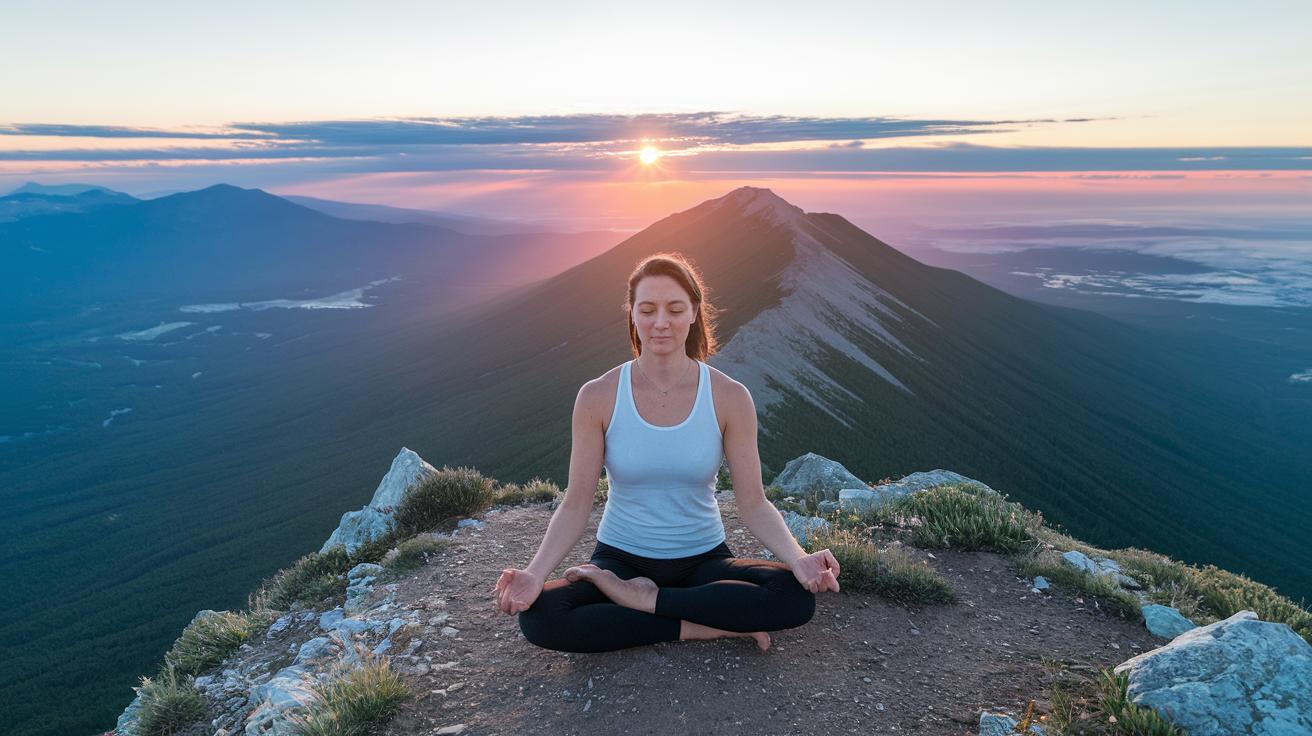
Have you ever noticed how some folks choose a path that isn’t tied down by strict rules? It’s like you’re the gardener of your own thoughts, where every bright morning invites you to nurture growth in your own special way. Those who call themselves spiritual yet not religious come alive by trusting their gut, taking a quiet moment for reflection, and finding insights that feel uniquely theirs. They grow by really listening to that inner voice and following a rhythm only they can feel. In truth, this refreshing approach gently invites you to break away from tradition and build a connection that's as flexible and genuine as the soft glow of dawn.
Exploring the Spiritual but Not Religious Identity
People who embrace a spiritual but not religious identity come from all kinds of backgrounds. Whether you’re agnostic, atheist, or simply not drawn to organized religion, you might find yourself seeking something deeper, a personal journey that goes beyond conventional worship. It’s like stitching together moments of intuition, personal experiences, and self-guided reflection to create your own unique spiritual tapestry.
Many who choose this path are all about self-discovery, opting for a dynamic and ever-changing spirituality that feels truly personal. They often turn to practices like meditation, quiet reflection, or even creative pursuits to nourish their inner world. It’s a gentle push against rigid rules, a way to explore what it means to connect with something greater on your own terms.
This way of looking at spirituality is catching on with everyday people and even some famous faces. It champions a kind of independent mysticism, one that lets you build a meaningful life without being boxed in by strict doctrines, offering a fresh, flexible approach to living with purpose in today’s ever-shifting world.
Spiritual but Not Religious vs Organized Religion: Key Differences
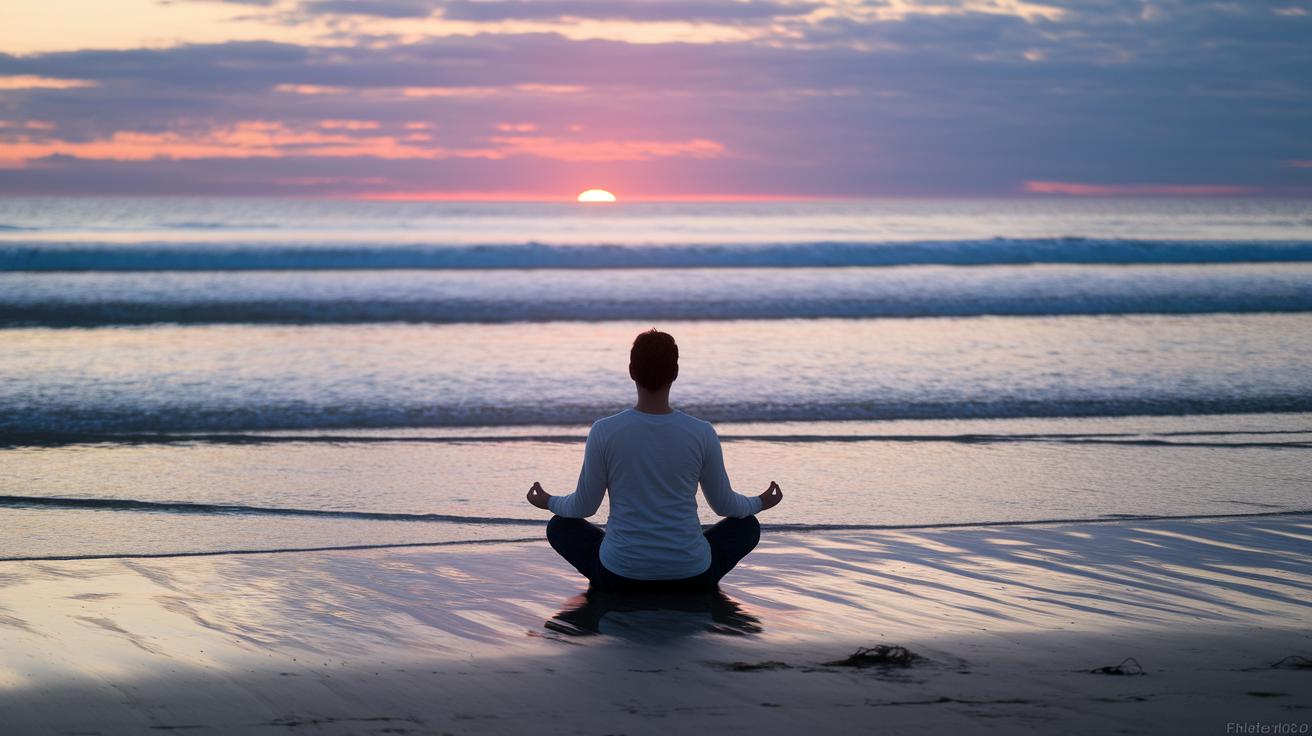
When we chat about how those who follow a spiritual but not religious path differ from traditional religious practices, it’s like comparing a freestyle jam session with a classic symphony. Those who see themselves as spiritual but not religious usually build a personal connection with the divine by following their own inner compass, through self-guided practices and quiet moments of reflection, rather than adhering to strict rules. Meanwhile, organized religions lean into well-established traditions, complete with set rituals, designated leaders, and the shared sense of community that comes from gathering together in time-honored ways. Even though both paths celebrate love, forgiveness, and charity, their journeys are uniquely their own.
| Aspect | Spiritual but Not Religious | Organized Religion |
|---|---|---|
| Belief Structure | A flowing, personal journey built on individual experiences and insights | A time-tested structure rooted in longstanding teachings and doctrines |
| Community | Informal and intimate, formed around shared personal insights and practices | Built on collective gatherings, rituals, and a strong sense of tradition |
| Rituals | Flexible and creative, mirroring one’s unique life path | Established practices that honor continuity and collective memory |
| Authority | Guided by inner wisdom and personal moral insight rather than formal hierarchies | Directed by recognized leaders who interpret sacred texts and traditions |
| Flexibility | Evolves naturally with personal growth and changing insights | Maintains consistency through defined practices and community oversight |
Personal Journeys into Being Spiritual but Not Religious
Self-guided spiritual growth is a journey you take on your own, like discovering secret little moments of magic along the way. It’s about cherishing those quiet instances that light up your soul, and doing it all in your own unique style. Rather than sticking to rigid rules or following a set path, it’s about trusting your gut, finding personal insights, and letting your creativity shine in everyday life.
Everyday Anecdotes
Ever notice how life’s small, heartfelt moments can leave a big impression? Picture this: on March 14, 2017, a graduate decided to step away from the usual focus on material things and conventional symbols. They wanted something deeper, a true connection with an inner essence that felt unbound by the old, familiar ways. This story is a gentle reminder that many of us, no matter where we come from, find our own path to spirituality in those quiet moments, a calm walk under a breezy sky or the soft glow of a setting sun. It’s in these ordinary instances that genuine inner growth blossoms, inviting you to embrace a more personal way of understanding life.
Celebrity Explorations
And it turns out, even well-known personalities are on their own soulful quests. Many public figures have opened up about exploring their inner voices and transforming their lives through personal spiritual practices. Their honest reflections show that blending ambition with a search for balance can lead to an inspiring, modern take on what sacred really means. These stories encourage us to see spirituality as something flexible and ever-evolving, a journey that’s as much about creative expression as it is about finding inner calm.
Practical Practices for the Spiritual but Not Religious

If you're carving out your own spiritual path, you might enjoy some simple practices that gently encourage personal growth. Think about how mindfulness meditation, like pausing to let your thoughts settle, can create a peaceful start to your day. Journaling, too, offers a chance to chat with your inner self, capturing small insights as if talking to an old friend. And then there's reconnecting with nature: whether you're on a quiet retreat or simply stepping outside to feel the breeze, these moments can remind you of life's natural rhythm.
Imagine greeting your morning with a few peaceful minutes of stillness, letting that calm carry you through the hours. It doesn't have to be elaborate. You might designate a cozy corner in your home for a quick breath-focused meditation or set aside time in the evening to reflect on the little events that made your day special. Even a midweek stroll through a serene park can work wonders, think of it as a refreshing pause from digital distractions.
And why not sprinkle in a bit of creative flair? Maybe try sketching as a way to express your inner thoughts or letting your fingers dance over a simple musical instrument. A mindful digital detox now and then can also help clear your mind, while self-compassion exercises ensure you're kind to yourself along the way. Bringing these practices together turns everyday moments into opportunities for renewal, making your journey one of gentle, self-driven transformation.
Benefits and Challenges on a Spiritual but Not Religious Path
Choosing a spiritual but not religious way of life often feels like opening a door to true freedom and personal growth. It’s about tuning into your inner light and crafting a unique journey that isn’t boxed in by strict rules. Think of it as an invitation to explore who you are at your own rhythm, letting personal experiences paint a vivid picture of self-discovery.
At the same time, this path isn’t without its bumps. Sometimes, you might feel a bit alone or struggle to find a community that really gets your vibe. The freedom to design your own spiritual practice can sometimes feel overwhelming, almost like wandering a vast landscape without a map. And yes, that push and pull between solo exploration and the need for guidance can spark moments of self-doubt. Still, these challenges often lead to a deeper, more resilient search for genuine connection beyond traditional boundaries.
Building Community for the Spiritual but Not Religious

In our modern community spaces, conscious leadership and a spirit of renewal set the stage for real connections. Think of transformational workshops and group sessions as cozy spots for self-reflection and heart-to-heart conversations, drawing in folks who prefer a more self-guided path. Whether these gatherings are hosted by churches reimagining their traditions or by indie organizers, they offer a warm environment where personal insights and shared moments take center stage. Imagine stepping into a friendly circle where every voice contributes to a journey of free-spirited growth and a gentle, secular nod to the divine.
Secular groups are taking the reins by organizing retreats, casual meetup circles, and mindful living events that thrive on spontaneous creativity and thoughtful dialogue. Picture small, laid-back meetings where people swap stories, discuss inspiring secular reads, and enjoy a light, guided meditation. These intimate settings nurture a sense of belonging, inviting everyone to embrace a personal journey of sacred self-discovery while feeling supported along the way.
Digital platforms have also breathed new energy into community building. Online forums, virtual book clubs, and interactive meditation sessions now offer spaces where people can share their experiences no matter where they are. By creating corners on the internet for exchanging stories and planning local meetups, these virtual communities keep the spirit of mystical exploration alive and accessible, ensuring that support and genuine connection remain just a click away.
Final Words
In the action, we’ve journeyed through the world of personal awakening and explored non-dogmatic practices that resonate with the spiritual but not religious spirit. We examined mindful methods, quiet moments of reflection, and the value of connecting with those who share your independent outlook.
This vibrant exploration reminds us that personal growth and community support go hand in hand. May every step you take spark inspiration and invite a sense of freedom into your life.
FAQ
What does it mean to be spiritual but not religious?
Being spiritual but not religious means embracing a personal inner awakening through self-guided practices that seek meaning outside traditional institutional doctrines.
What is non-religious spirituality called?
Non-religious spirituality is often called independent mysticism, emphasizing personal exploration and connection with the divine outside formal religious practices.
Can a spiritual person believe in God?
A spiritual person can believe in God or a higher power, interpreting faith in a flexible, personal way that isn’t confined to traditional religious frameworks.
What are the three types of spirituality?
The three types of spirituality can reference mystic, secular, and humanistic expressions, each offering distinct paths toward personal understanding and inner peace.
How do spiritual but not religious books and essays explore personal belief?
Spiritual but not religious books and essays delve into personal insight and creative reflections, offering thoughtful guidance and ideas for inner growth apart from formal doctrines.
Who are some spiritual but not religious celebrities?
Spiritual but not religious celebrities are public figures who share introspective life insights and personal spiritual experiences, resonating with those who prefer non-institutional expressions of faith.
What distinguishes a person who is spiritual but not religious from a person who is religious but not spiritual?
The distinction is in approach: spiritual but not religious individuals pursue personal, experiential connection while those who are religious but not spiritual typically follow established community traditions without deep personal mysticism.
What do spiritual but not religious quotes typically reflect?
Spiritual but not religious quotes reflect inspiring thoughts on inner growth, self-empowerment, and the beauty of personal connection with the mysteries of life rather than organized doctrines.
What discussions take place in Spiritual but not religious communities on Reddit?
Reddit communities for those spiritual but not religious foster open, supportive discussions encouraging personal reflections and sharing of practical wisdom outside traditional religious settings.
How are types of non-religious spirituality explained?
Types of non-religious spirituality explore different forms of self-guided inner exploration, from independent mysticism to secular and humanistic approaches, each celebrating a unique connection to life.
What are the differences between an agnostic and someone who is spiritual but not religious?
Agnostics typically express uncertainty about a divine being, while individuals who are spiritual but not religious embrace personal inner practices and experiences as their path to meaning.